info@hedashelvesafrica.com Serving West, East, Southern & North Africa
0%

Choosing a Warehouse Racking system is not a catalogue exercise. It is a decision about how pallets move, how people work, and how much usable space your building really offers. Measure clear height, aisle width, floor conditions, pallet dimensions, and handling equipment before comparing layouts. A few centimetres can change whether a forklift turns cleanly—or clips a frame.

Industry data offers useful context. The 2024 MHI Annual Industry Report found that 55% of surveyed supply-chain leaders planned to increase technology investment. That figure is not a racking forecast, but it highlights a wider shift toward connected, adaptable operations. A layout designed only for today’s pallets may become awkward when product sizes or throughput change. The report is a useful signal, not a substitute for a site assessment.

As warehouse systems expert Dr. James A. Tompkins puts it, “The warehouse is the heart of the supply chain.” Treat that as a reminder to connect storage choices with the full operation, not as a reason to fill every available bay. Selective pallet rack offers direct access; drive-in systems trade access for density; push-back and pallet-flow designs suit different rotation needs. Each has trade-offs. No system wins everywhere. Before committing, test the proposed layout against real load data, travel paths, replenishment routines, and future growth. And be honest: forecasts can be wrong. A competent supplier should explain assumptions, provide load information, and help verify the design for your site.
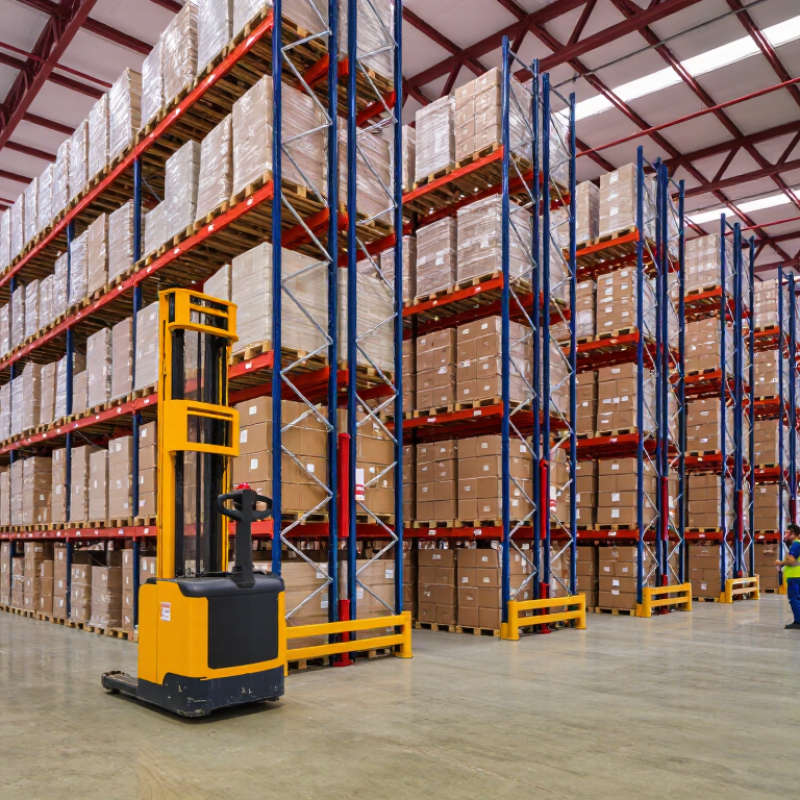
How to Choose the Best Warehouse Racking System?

Identify Your Warehouse Storage and Handling Requirements

Before choosing a warehouse racking system, map what you store and how it moves. Record pallet dimensions, unit weights, daily order volume, and seasonal peaks. Note whether goods arrive as full pallets, mixed cases, or small-item bins. These details affect bay dimensions, load capacity, aisle space, and access needs. Walk the floor during a busy shift. Watch where forklifts pause, workers turn, and staging piles build. Check ceiling height, column locations, floor condition, and sprinkler clearance before planning.

Tips: Measure the largest load, not the average one. Leave room for safe handling and changing stock levels. Ask equipment operators to check turning space; a small aisle miscalculation can create daily friction.

Match storage choices to stock rotation and picking methods. Direct pallet access can help when many product types need frequent retrieval; denser options may suit fewer product types or steady rotations. Consider replenishment routes as well as picking routes. Ask workers to test a draft layout with typical loads. They may spot blocked sightlines or awkward turns that a plan misses. One caveat: forecasts are imperfect. Actual order patterns may shift, and staging can overlap with replenishment. A tidy layout on paper may still need adjustment after real work begins.

Assess Inventory Characteristics and Required Storage Capacity

Choosing a warehouse racking system starts with understanding what it must hold. Record each item’s dimensions, weight, packaging, and storage conditions. A standard pallet and a long, irregular load need different clearances. Include the pallet itself when measuring height and weight. Small details matter.

Estimate capacity from usable floor area, clear aisle widths, beam levels, and required access. Then compare that estimate with current stock and realistic growth, not just peak inventory from one unusual month. For example, 900 pallets do not necessarily require 900 rack positions: some products may need dedicated locations, while fast-moving items may need easier access. Measure twice. A spreadsheet can look exact while missing damaged pallets, changing carton sizes, or seasonal stock. Review inventory records with warehouse staff who handle these items daily; their observations can reveal awkward loads or frequent picking delays. Finally, confirm rack load ratings and floor capacity with qualified professionals. The best fit is not always the system with the most positions. It should store the actual inventory safely and support how people move it.

Compare Racking Systems for Access, Density, and Throughput

Choosing a warehouse racking system means balancing access, storage density, and the speed of daily work. Selective pallet racking gives forklifts direct access to every pallet position. That suits sites with many SKUs or frequent order changes. Fast picking matters. The trade-off is wider aisles and more floor space devoted to access.

Double-deep racking stores pallets two positions deep, increasing capacity while reducing immediate access. It works best when inventory can be managed in pairs and the right forklift is available. Drive-in racking can use space even more tightly for batches of similar products. Both systems may slow picking when workers must move one pallet to reach another. Density rises. So can handling time.

Push-back racking lets pallets move forward as a lane is emptied, often making retrieval quicker than drive-in storage. Pallet-flow racking uses gravity-fed lanes to support first-in, first-out rotation, but lane depth and replenishment rules need careful planning. Measure actual order patterns, aisle widths, and peak pallet movement before choosing. A floor plan can look efficient on paper, yet feel awkward during a busy shift. That detail is easy to miss.

Check Facility Conditions, Safety Standards, and Equipment Compatibility

How to Choose the Best Warehouse Racking System?

Check Facility Conditions, Safety Standards, and Equipment Compatibility

Start with the building, not the rack catalogue. Measure clear height, aisle widths, floor condition, and sprinkler clearance. Confirm the slab’s load capacity with a qualified engineer; a smooth-looking floor is not proof of adequate strength. Note columns, doors, lighting, and low beams that could interfere with storage or truck movement.

Safety rules shape the layout. OSHA standard 29 CFR 1910.176 requires stored materials to remain stable and secure. Its powered-industrial-truck standard also makes equipment operation and training relevant to rack placement. The U.S. Bureau of Labor Statistics recorded 5,283 fatal work injuries across all industries in 2023, a reminder that warehouse planning has real consequences. Check rack load labels, pallet condition, and the weight of each stored unit. Small mismatches matter.

Then test compatibility with the equipment operators actually use. Compare forklift turning radius, mast height, and lift capacity with aisle dimensions and beam levels. OSHA notes that forklift overturns account for about one-quarter of forklift-related deaths. Keep travel paths clear and protect rack uprights at busy turns. A tidy drawing can still miss a daily pinch point. Walk the proposed layout with operators; they may spot awkward reversals or blocked sightlines that measurements overlook. Some assumptions will need revisiting after the first shift.

Evaluate Total Costs and Plan for Future Warehouse Changes

How to Choose the Best Warehouse Racking System?

Evaluate Total Costs and Plan for Future Warehouse Changes

When comparing warehouse racking, look beyond the quoted steel price. Include floor preparation, anchors, installation, inspections, forklift changes, and downtime during installation. A lower upfront bid can become expensive if beam levels do not fit pallet heights or aisles restrict turning. Measure load sizes, clear heights, sprinkler clearance, and daily picks before requesting quotes. Small details matter.

MHI’s 2024 Annual Industry Report, produced with Deloitte, found that 55% of supply chain leaders planned to increase technology investment. That does not mean every warehouse needs automation, but it shows why layouts should allow change. Consider modular bays and adjustable beams when inventory may shift, and have a qualified engineer verify load capacity. Estimate the cost of future changes, such as moving rows or adding rack protection. Forecasts miss.

Tips: Sketch a future layout before choosing a system. Mark likely growth areas, high-turnover products, and forklift routes. Ask suppliers to itemize installation and alteration costs, not just equipment prices. Compare those figures with the disruption each change could cause.

FAQS

What should I measure before choosing warehouse racks?

Record each load’s length, width, height, weight, packaging, and storage needs. Include the pallet in height and weight measurements. Small details matter.

How many rack positions will my warehouse need?

Compare usable floor space, aisle widths, beam levels, and access needs with current stock and realistic growth. A stock of 900 pallets may not require 900 identical positions. Some products need dedicated spaces.

How can I make fast-moving products easier to pick?

Place frequently picked items where workers and forklifts can reach them easily. Ask warehouse staff about awkward loads and delays. Their feedback may reveal what records miss.

Which safety checks matter when selecting a racking system?

Confirm rack load ratings and floor capacity with qualified professionals. Check clear heights and sprinkler clearance. Do not rely on estimates alone.

What costs should I include beyond the rack price?

Include floor preparation, anchors, installation, inspections, forklift changes, and installation downtime. A low quote can cost more if aisles restrict turning.

How can I plan for changing inventory?

Consider modular bays and adjustable beams if stock may change. Sketch future growth areas, high-turnover products, and forklift routes. Forecasts miss.

What should I ask suppliers before comparing quotes?

Request itemized costs for installation and future alterations. Compare them with possible disruption from moving rows or adding rack protection. A spreadsheet can look precise, yet still miss damaged pallets or changing carton sizes.

Conclusion

Choosing the right Warehouse Racking system starts with understanding how your warehouse operates. Consider the goods you store, how often they move, the storage capacity you need, and the equipment used to handle them. Inventory size, weight, variety, and turnover can all affect which arrangement will work best.

Compare available racking options by how easily staff can access products, how efficiently they use floor and vertical space, and whether they support the required throughput. Check that the system suits your facility’s layout, floor conditions, safety requirements, and handling equipment. Finally, look beyond the initial purchase price: include installation, maintenance, and potential operating costs. A flexible choice that can adapt to changes in inventory or warehouse operations may provide greater long-term value.

Ethan

Ethan

Ethan is a dedicated marketing professional with extensive knowledge of the company’s products, services, and customer-focused solutions. Through years of experience in market research, content strategy, and digital communication, he helps translate complex product features into clear, practical......