Blog
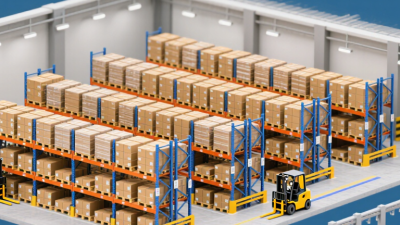
How to Choose a Pallet Storage Racking System in 2026?
Choosing a Pallet Storage Racking System in 2026 requires more than comparing steel prices. Your warehouse layout, pallet dimensions, handling equipment, and growth plans must work together.
Gwynne Richards, a respected warehouse management author, writes, “The warehouse is no longer just a cost centre; it is a strategic asset.” That view remains practical. A rack system affects travel distance, picking speed, inventory visibility, and employee safety every day.
Begin with real operating evidence. Measure aisle widths, clear heights, pallet loads, forklift turning space, and daily movements. A narrow-aisle solution may increase capacity, but it can demand specialized trucks and better operator training. Selective pallet racking offers simple access, while drive-in, push-back, and pallet-flow systems support different storage priorities.
Small details matter.
Check beam levels against actual pallet heights. Leave enough clearance for damaged or uneven loads. Review floor quality, column protection, seismic requirements, and future expansion before approving a design. A cheap system can become expensive when it restricts workflow or requires repeated reconstruction.
The decision is not always perfectly clear. Higher density may reduce accessibility. Automated storage may improve consistency, yet it can increase maintenance dependence. These trade-offs deserve honest testing through site measurements, product trials, and professional engineering review.
This guide explains how to evaluate a Pallet Storage Racking System for capacity, safety, flexibility, and long-term value. It also questions common assumptions, because the most impressive storage figure may not produce the best warehouse performance.
Read more »
 By:Ethan
- October 15, 2026
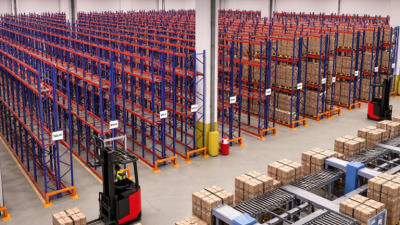
How to Choose the Right Pallet Rack Systems?
Choosing the right Pallet Rack Systems begins with the warehouse, not the catalog. Every facility has different products, aisle widths, ceiling heights, forklifts, and loading patterns. A rack that works well in a cold-storage warehouse may create delays in a busy e-commerce operation. The decision should reflect daily movement, future growth, floor conditions, and employee safety.
Andy Acker, a pallet rack safety specialist and warehouse consultant, says, “A rack system must fit the operation, not force the operation to fit the rack.” That principle sounds simple. It is often ignored. Buyers may focus on price, beam capacity, or appearance before studying the complete workflow. A polished layout can still produce dangerous congestion.
This guide examines selective racks, drive-in racks, push-back systems, pallet flow racks, and other practical options. It considers storage density, accessibility, load requirements, forklift turning space, and installation quality. Measurements must be verified on site. Small errors matter. A few inches can affect clearance, fire protection, or vehicle movement.
The strongest choice is not always the densest one. High density may reduce access speed. Lower-cost components may increase maintenance concerns. I also recognize that no planning method is perfect. Product demand can change, and early assumptions may prove wrong. That is why responsible selection includes inspections, documented load ratings, staff training, and regular reviews. Safety should remain visible after installation, not disappear when the project is complete.
Read more »
 By:Liam
- October 15, 2026
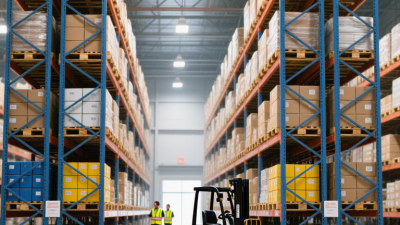
Why Choose Pallet Racking for Warehouse Storage?
Why Choose Pallet Racking for Warehouse Storage?
A warehouse rarely fails because it lacks floor space alone. It often fails because available space is poorly organized. Pallet Racking creates vertical storage levels, allowing businesses to use height instead of expanding their footprint. This structure can turn crowded aisles into clearer travel routes and make individual pallets easier to locate.
F. Edward Frazelle, a respected warehousing and logistics expert, wrote, “The warehouse is the heart of the supply chain.” His observation explains why storage decisions affect more than inventory. A well-planned Pallet Racking system supports faster picking, safer handling, and more consistent stock rotation. Workers can identify pallet positions quickly, while forklifts follow defined access paths. That practical order matters during busy receiving periods.
The benefits are not automatic. They depend on load weight, pallet dimensions, ceiling height, forklift reach, and daily movement patterns. Selective racking may provide direct access to every pallet, but it can consume more aisle space. Drive-in systems improve density, yet they may reduce selectivity. The wrong design can create delays instead of efficiency. That is an uncomfortable point, but it deserves attention.
Measure first.
Warehouse teams should review damaged pallets, blocked locations, and repeated travel before choosing a configuration. Professional installation, routine inspections, and clear load signage also support safer operation. Pallet Racking is valuable because it combines structure with flexibility, not because one design fits every warehouse. A thoughtful system leaves room for growth, correction, and occasional human error.
Read more »
By:Ethan
- October 15, 2026