info@hedashelvesafrica.com Serving West, East, Southern & North Africa
0%

Choosing a warehouse pallet rack supplier is not just a price comparison. Rack design affects storage density, picking routes, and daily safety checks. The right choice depends on pallet dimensions, load weights, forklift type, and available floor space. Small details matter. A beam that fits poorly can waste valuable clearance.

Industry trends add urgency. MHI’s 2024 Annual Industry Report, based on a survey of supply chain professionals, found that 55% planned to increase supply chain technology investment. That figure does not measure rack purchases directly. Still, it reflects pressure to build more responsive, technology-ready operations. Warehouse Pallet Racks must work with changing inventory, warehouse software, and material-handling equipment—not just today’s layout.

This guide compares ten suppliers for global buyers, focusing on product range, engineering support, customization, and service reach. Supplier capabilities can vary by region, and quoted lead times deserve careful checking. Ask for clear load tables, installation guidance, warranty terms, and references from comparable facilities. Then assess how each supplier handles replacement parts and future expansion. No list can name one universal winner. A low quote may look attractive, yet leave unanswered questions about support or fit. That deserves a second look. The goal here is a practical shortlist, not a perfect ranking.
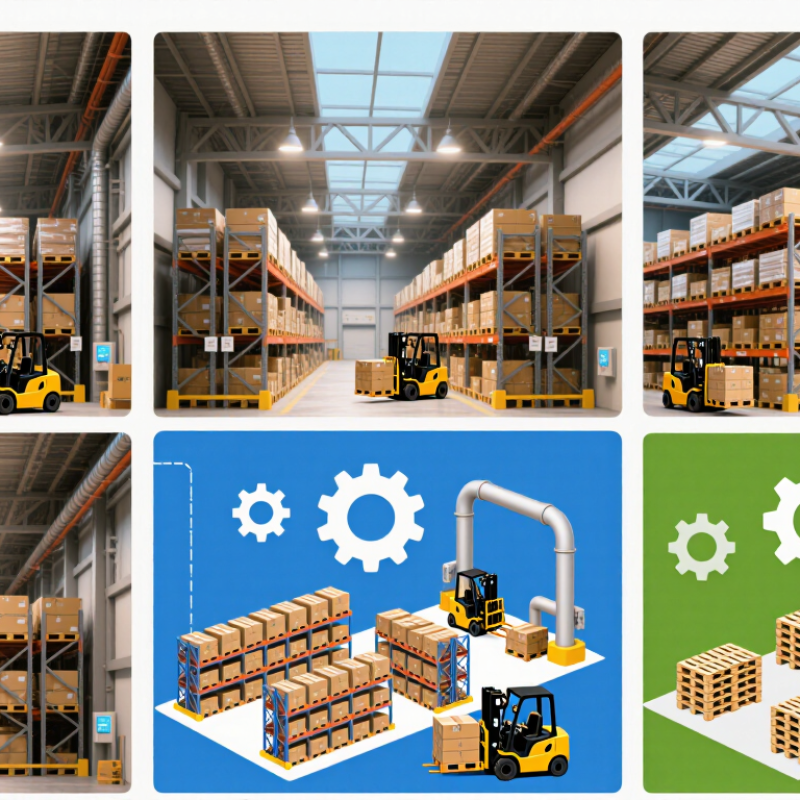
Top 10 Warehouse Pallet Rack Suppliers for Global Buyers?

Warehouse Pallet Rack Systems and the Role of Suppliers

Warehouse Pallet Rack Systems and the Role of Suppliers

A pallet rack system is more than upright frames and beams. Its performance depends on accurate load information, a workable layout, and careful installation. A qualified supplier should review pallet dimensions, loaded weights, forklift turning paths, aisle widths, and floor conditions before recommending a configuration. Ask for documented load capacities and design references, such as ANSI MH16.1, where applicable. Small details matter. A beam level placed too high can waste usable space; a poorly planned aisle can slow daily picking.

Suppliers also help buyers plan for changing operations. MHI’s 2024 Annual Industry Report found that 55% of respondents planned to increase investment in supply chain technology. The figure is not specific to pallet racks, but it shows why buyers should consider how storage layouts may work with future automation and inventory systems. Ask whether the proposed rack can be adjusted or expanded, and request clear installation and inspection guidance. A drawing can look convincing while missing a real site constraint. That gap deserves attention.

Tips: Share actual pallet weights, product dimensions, and forklift details before comparing quotes. Request a site survey, written capacity information, and a maintenance plan. Compare the support offered, not just the steel price. The best layout on paper may still need revision after operators test it.

How to Evaluate Suppliers for Global Warehouse Projects

Choosing a pallet rack supplier for a global warehouse project takes more than comparing prices. Start with the actual operating conditions: pallet dimensions, load weights, forklift type, aisle width, and expected throughput. Ask suppliers to provide clear load tables and drawings for the proposed configuration. A rack that looks suitable in a quotation may not fit the site’s floor conditions or handling equipment.

Check how each supplier manages engineering changes, quality checks, and documentation across regions. Request material specifications, installation guidance, inspection criteria, and references from projects with similar layouts or climates. For seismic zones, humid sites, or cold storage, discuss the relevant design requirements with qualified local professionals. Confirm lead times, shipping terms, replacement-part availability, and who supports installation after delivery. A polished presentation is useful, but it is not evidence by itself. I would still verify a few details directly with the project team; that step is easy to overlook.

Tips: Share a real layout and sample pallet data before requesting a quote. Ask for one documented project reference, not just a general claim. Compare the full delivered and installed cost, including training and future maintenance.

Warehouse Pallet Rack Supplier Evaluation for Global Projects

Suggested evaluation weights (%) for comparing suppliers. This is a decision-making framework, not measured supplier-performance data.

Prioritize verified safety compliance, engineering capability, and project references. Adjust the weights to reflect local regulations, site conditions, and project priorities; verify certifications and delivery commitments during procurement.

Profiles of Ten Warehouse Pallet Rack Suppliers

A strong warehouse pallet rack supplier is defined by fit, not just price. One supplier may focus on selective racks, offering direct access to every pallet. Another may specialize in drive-in systems for dense storage, while a third designs push-back lanes for faster rotation. These profiles describe distinct capabilities, not endorsements. Ask for load data and layout drawings.

A fourth supplier might build pallet-flow systems for first-in, first-out handling. A fifth may offer cantilever racks for long or irregular goods. A sixth could combine racks with mezzanines, adding usable floor space. A seventh may integrate automated storage equipment. It should explain maintenance needs, not only speed claims. An eighth supplier may emphasize seismic engineering and documented design calculations. Details matter.

A ninth may inspect and refurbish used rack components. Check condition carefully; appearance alone is not proof of capacity. A tenth may coordinate design, installation, and after-sales support across multiple regions. Compare delivery scope, spare-parts access, and response times. A polished catalog is useful, but it cannot replace a site-specific review. Even a good selection can miss something: forklift turning space, floor condition, or future inventory changes. Request references for similar operations, then verify the assumptions behind each proposal.

Comparing Product Ranges, Certifications, and International Support

Top 10 Warehouse Pallet Rack Suppliers for Global Buyers?

A useful supplier comparison starts with the rack options, not the catalog size. Look for selective, drive-in, push-back, and pallet-flow systems where they fit your storage plan. Check whether quoted frames and beams match your pallet dimensions, load weights, forklift clearances, and building conditions. Small mismatches matter. A beam that suits a sample drawing may not fit a busy aisle.

Certifications can indicate tested processes, but verify their scope, issuing body, and validity. Ask for structural calculations, load plaques, installation guidance, and inspection documentation. These details help your team assess whether a proposed system suits the actual site. International support deserves the same scrutiny: Can the supplier answer technical questions across time zones? Are replacement parts available nearby? Will instructions and drawings arrive in a language your installers understand? One awkward truth: a polished export quote does not guarantee smooth after-sales service.

Tips: Request a sample layout and written response times. Confirm spare-part lead times, local installation options, and what the quoted support excludes. Then compare the same requirements across suppliers. A missed detail is easy to spot on paper, less so after the racks arrive.

Key Steps for Selecting and Buying from a Supplier

Top 10 Warehouse Pallet Rack Suppliers for Global Buyers?
Key Steps for Selecting and Buying from a Supplier

Start with your real pallet and load profile, not a catalog image. Record pallet dimensions, maximum loaded weight, beam levels, aisle width, forklift type, and clear height. Ask suppliers for layout drawings, bay capacities, anchoring details, and the assumptions behind each calculation. If loads vary, specify the heaviest configuration; averages can hide important differences. Small details matter.

MHI’s 2024 Annual Industry Report found that 55% of respondents planned to invest more than $1 million in supply chain technology over the following two years. That figure is not a rack-buying rule. It does show why buyers should ask whether proposed layouts can accommodate changing operations. Request a site survey, check floor information with a qualified engineer, and confirm that the quoted design matches your actual equipment. A polished quote proves little by itself.

Compare total delivered cost, lead time, installation scope, warranty terms, and spare-part availability. For international purchases, clarify packaging, freight responsibilities, technical documentation, and who handles installation support. Ask for references from facilities with similar loads and operating conditions. Review the drawings carefully. Even experienced teams can miss a beam height or aisle conflict under schedule pressure, so have operations and safety staff review the plan before placing the order.

Top 10 Warehouse Pallet Rack Suppliers for Global Buyers? – Key Steps for Selecting and Buying from a Supplier

A practical, brand-neutral checklist for comparing pallet-rack suppliers. Use it to assess documented capabilities and project fit rather than relying on a supplier’s marketing claims.

Priority Evaluation Dimension What to Check with the Supplier Evidence or Information to Request Why It Matters to Global Buyers
1 Rack-system suitability Confirm the proposed system matches the operation, such as selective pallet racking, double-deep racking, drive-in racking, or pallet-flow racking. A layout proposal showing rack type, aisle arrangement, pallet positions, and operating assumptions. Different systems trade off selectivity, storage density, equipment needs, and stock rotation.
2 Load and design calculations Provide the pallet dimensions and maximum loaded weight, then ask for beam, frame, and bay capacities for the actual configuration. Project-specific calculations and load notices that identify the assumptions, configuration, and allowable loads. Capacity depends on factors such as rack geometry, beam levels, pallet placement, and floor conditions; a generic rating may not apply to the installation.
3 Applicable design standards Ask which design standard and local building or seismic requirements apply at the installation site. Written identification of the design basis. Examples include ANSI MH16.1 in North America and EN 15512 for adjustable pallet racking in Europe. Requirements vary by market and project. The buyer should confirm that the proposed design meets local rules and is reviewed by the appropriate qualified professional.
4 Specification and installation details Check that the quotation specifies dimensions, clearances, tolerances, floor interfaces, bracing, and installation responsibilities. Detailed drawings and written specifications. European projects may also reference EN 15629 for specification and EN 15620 for tolerances, deformations, and clearances. Clear project documentation reduces ambiguity between the supplier, installer, equipment provider, and site team.
5 Material and finish Compare the specified steel, member thicknesses, corrosion protection, and finish for the warehouse environment. Material and coating specifications, plus details of any environmental limitations or maintenance requirements. Finish selection should reflect exposure conditions and handling risks. A coating description alone does not establish structural capacity.
6 Quality controls and traceability Ask how components are inspected and how production batches and supplied parts are identified. Quality-control procedures, inspection records where available, and any relevant quality-management certificates with their scope and validity. Traceable documentation helps buyers manage consistency, delivery checks, and follow-up issues. A quality-management certificate is not, by itself, proof that a rack design is suitable.
7 Installation and safety support Clarify who is responsible for installation, anchoring, handover, and any required site-specific inspections. Installation method, responsibilities matrix, handover documents, and guidance for safe use and inspection. Correct installation and ongoing inspection are important to rack safety. In Europe, EN 15635 covers use and maintenance of steel static storage systems.
8 Export packaging and logistics Confirm packaging, shipment dimensions, loading plan, delivery terms, and procedures for reporting transit damage. Packing list, shipment plan, stated delivery term, and written instructions for receiving and checking the goods. Rack components can be bulky. Packaging and logistics details affect freight planning, unloading, storage, and installation scheduling.
9 Commercial terms and after-sales service Review payment milestones, quotation validity, warranty scope, spare-part availability, and response arrangements. A written quotation and contract that define inclusions, exclusions, delivery obligations, warranty conditions, and service contacts. Written terms make supplier offers easier to compare and help prevent misunderstandings about project scope and post-delivery support.
10 Supplier verification and final comparison Check relevant project experience, references that can be contacted, communication capability, and ability to provide complete technical documents. Comparable project examples, customer references where available, a complete document list, and a line-by-line quotation comparison. Comparing equivalent scope, documentation, delivery, and service is more informative than choosing on price alone.

Note: This is a supplier-selection checklist, not a ranking of named manufacturers or a substitute for project-specific engineering. Verify current standards, local regulations, structural calculations, and site conditions before purchase and installation.

FAQS

What information should I share before requesting a rack quote?

Share a site layout, pallet dimensions, load weights, forklift type, aisle width, and expected throughput. Real measurements help.

What documents should a supplier provide?

Request load tables, layout drawings, material specifications, installation guidance, and inspection criteria. Check that they match your proposed configuration.

How can I compare supplier prices fairly?

Compare delivered and installed costs, including training, maintenance, shipping, and replacement parts. The lowest quote may leave out useful services.

What should I check for unusual site conditions?

Discuss seismic activity, humidity, or cold storage with qualified local professionals. Floor conditions matter too.

How do I assess a supplier’s experience?

Ask for a documented reference from a project with a similar layout or climate. Verify the details with the project team.

Which rack system suits different storage needs?

Selective racks offer direct pallet access; drive-in systems provide dense storage. Pallet-flow systems support first-in, first-out handling.

What should I examine when considering used rack components?

Ask for inspection details and documented capacity. A clean-looking beam is not proof.

What details are easy to overlook in a proposal?

Check forklift turning space, floor condition, spare-parts access, and future inventory changes. I might still miss something on paper.

Conclusion

This article explores how Warehouse Pallet Racks support efficient storage, inventory access, and space planning in modern warehouses, and explains the role suppliers play in designing and delivering suitable systems. It outlines practical ways to assess suppliers for international projects, including their product range, engineering capabilities, quality standards, certifications, delivery coordination, and after-sales support.

Readers will find profiles of ten suppliers, presented as a starting point for comparing their offerings and international service capabilities. The article also highlights key considerations when choosing a supplier, such as matching rack designs to operational needs, confirming specifications and project requirements, reviewing support arrangements, and clarifying timelines and purchasing terms. These steps can help global buyers make informed decisions and select a dependable solution for their warehouse.

Ethan

Ethan

Ethan is a dedicated marketing professional with extensive knowledge of the company’s products, services, and customer-focused solutions. Through years of experience in market research, content strategy, and digital communication, he helps translate complex product features into clear, practical......