A busy warehouse can lose valuable time when pallet locations are awkward, stock is difficult to see, or floor space is crowded. Beam Pallet Racking offers a practical way to store palletized goods vertically while keeping individual loads accessible. Its horizontal beams support pallets across adjustable levels, making it useful for facilities handling varied products and changing inventory.
The benefits depend on a careful match between the rack design and daily operations. Managers should consider pallet dimensions, load weights, ceiling height, forklift turning space, and how often products move. Clear load information matters. So do sound installation and routine checks for bent beams, loose connections, or impact damage. A rack that looks sturdy is not automatically suitable for every building or load.
For many warehouses, selective access can simplify picking and reduce unnecessary product handling. That can help teams use space more deliberately. Yet Beam Pallet Racking is not a cure-all. A poorly planned layout may create narrow aisles, awkward travel paths, or unused upper levels. Those problems are easy to underestimate. Before choosing a system, compare storage goals with real traffic patterns and seek qualified advice on capacity and configuration. The right setup should fit the goods, equipment, and people using it—not just the available floor plan.
What Beam Pallet Racking Is and How It Is Structured
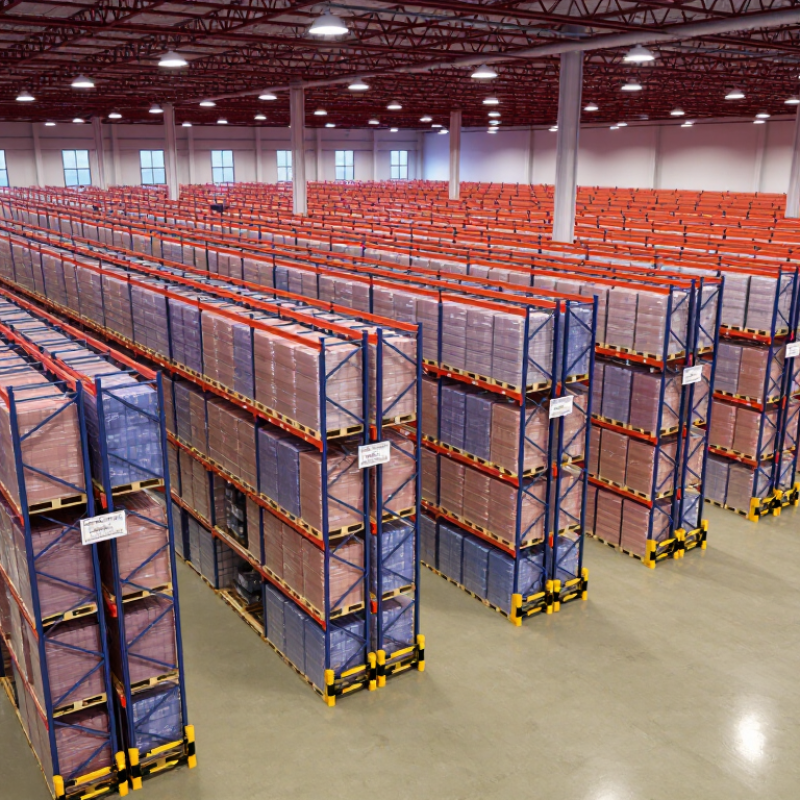
Beam pallet racking is a steel system that stores palletized goods on horizontal beams. Each bay uses two upright frames, connected by diagonal and horizontal bracing. The frames stand in rows, while beams hook into slots at selected heights. This creates adjustable storage levels and open access to individual pallets.
A forklift places each pallet between a pair of beams. Beam connectors, locking devices, base plates, and floor anchors help secure the structure. Wire decking may support smaller items, but it does not replace correctly specified beams. Capacity depends on beam length, frame height, pallet weight, and load distribution. Details matter. A rack can look simple, yet a small layout change may affect its loading conditions. Check the manufacturer’s load plaques and have changes reviewed by a qualified rack professional.
The 2024 MHI Annual Industry Report found that 55% of surveyed supply-chain professionals planned to increase investment in supply-chain technology and innovation. That broader trend is useful context, not proof that racking alone improves performance. In practice, clear aisle space and consistent pallet dimensions matter just as much as adjustable beams. Even a tidy layout can become awkward when inventory sizes change.
Why Choose Beam Pallet Racking for Your Warehouse? - What Beam Pallet Racking Is and How It Is Structured
| Rack Element or Planning Factor | Typical Description | Role in the System |
|---|---|---|
| Basic configuration | Rows of upright frames connected by horizontal beams to form pallet storage bays. | Creates a modular structure that can be arranged in single or back-to-back rows. |
| Upright frames | Each frame typically consists of two vertical columns joined by horizontal and diagonal braces. Height and depth are selected for the building and loads. | Support the beams and transfer stored-load forces to the floor. |
| Horizontal beams | Pairs of beams span between frames. Their length is chosen to suit the pallet arrangement and required clearances. | Support pallets directly or support decking designed for the rack. |
| Beam-to-frame connection | Beam-end connectors engage with slots or connectors on the upright columns. Retaining locks or safety pins may be used, depending on the system. | Holds beams in position; connections should be installed and inspected according to the rack design and instructions. |
| Adjustable beam levels | Many systems allow beam heights to be changed using regularly spaced connection slots. Slot spacing varies by design. | Helps accommodate different pallet heights and make use of available vertical space. |
| Pallet and bay sizing | Bay width, frame depth, and beam height should be based on the pallet’s actual dimensions, load overhang, handling equipment, and required operating clearances. | Proper sizing supports stable placement and reduces the risk of pallets contacting frames or neighboring loads. |
| Floor anchoring and protection | Frames are commonly anchored to a suitable concrete floor as specified by the rack design. Column guards may be added in areas exposed to vehicle impact. | Anchoring and protective measures help address stability and impact risks; they do not replace safe operating practices. |
| Access and storage method | In selective layouts, each pallet position is generally accessible from an aisle using suitable material-handling equipment. | Provides direct access to stored pallets and supports a range of product types and inventory rotation needs. |
| Load capacity and inspection | Capacity depends on the rack components, beam span, frame height, configuration, floor conditions, and load placement. It must be established for the specific installation. | Use posted load information, follow the approved design, and inspect racks regularly for damage or changes. |
Note: Dimensions, clearances, component compatibility, anchoring, and load ratings are installation-specific. Have the rack layout and capacities verified by a qualified professional.
FAQS
It is a steel storage system with upright frames and horizontal beams. Forklifts place pallets between the beams. The open design gives access to individual pallets.
Two upright frames form each bay, with diagonal and horizontal bracing. Beams hook into slots at chosen heights. Connectors, locking devices, base plates, and floor anchors help secure the structure.
Capacity depends on beam length, frame height, rack configuration, pallet weight, and load distribution. Check the posted capacity signs. A small layout change can matter.
Place each pallet squarely across both beams. Keep the load centered and avoid overhang that could catch an upright. Check that the pallet is stable and undamaged before lifting.
When practical, store heavier pallets on lower levels. Keep loads within the rack’s rated capacity. Weight alone does not determine whether a setup is safe.
No. Wire decking may support smaller items, but it does not replace properly specified beams. The rack configuration still matters.
Approach the bay straight, lift the pallet clear, then reverse carefully before turning. Watch for blocked sightlines. A neat floor plan may still feel awkward during a real pick.
Keep aisles clear and pallet sizes consistent where possible. Review actual forklift routes, not just the floor plan. Scanners cannot fix a cramped aisle.
Inspect beams and uprights regularly. Isolate damaged sections and arrange an assessment by a qualified rack professional. A quick visual check can miss something.
Conclusion
Beam Pallet Racking is a storage system made up of upright frames and horizontal beams that create adjustable levels for palletized goods. Pallets are typically placed on the beams using a forklift, stored in designated bays, and retrieved as needed. Its accessible layout can help warehouses organize inventory clearly and support efficient movement of goods.
This system may suit warehouses that handle palletized products in varied quantities and need direct access to individual loads. Potential advantages include flexible beam heights, effective use of vertical space, and straightforward stock handling. Choosing a suitable setup involves considering the building’s dimensions, pallet sizes and weights, inventory turnover, equipment, and anticipated storage needs. A well-matched design can help balance capacity, accessibility, and day-to-day operating efficiency.