Structural Mechanics, CE Certification (EN 15512), and Metallurgical Safety Factors for Industrial Racking
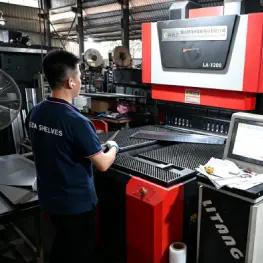
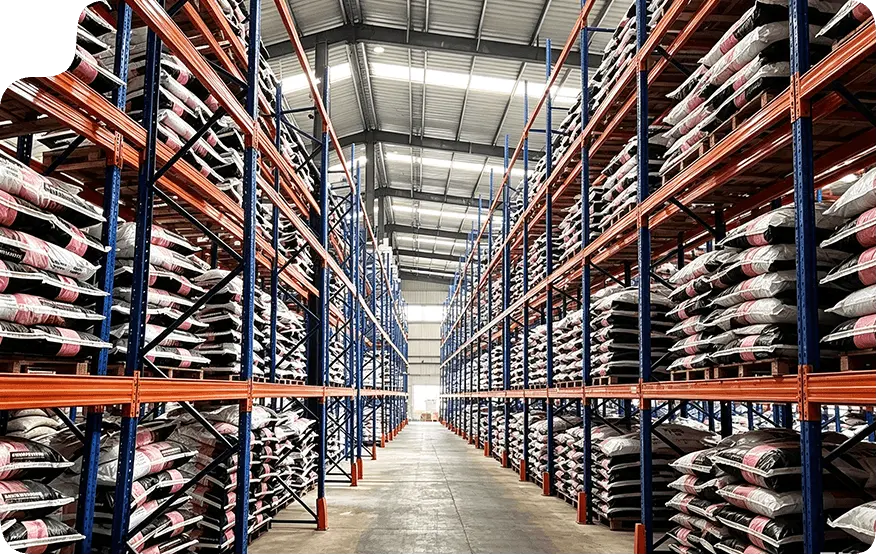
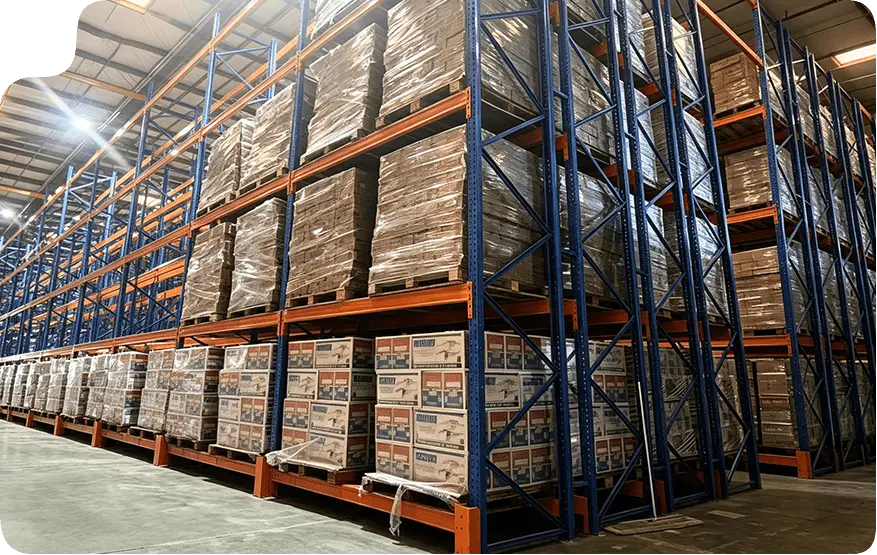
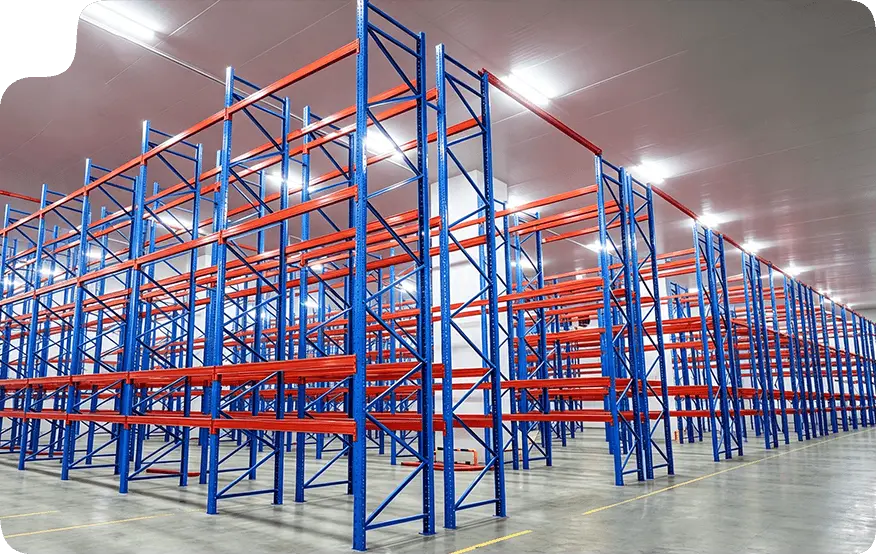
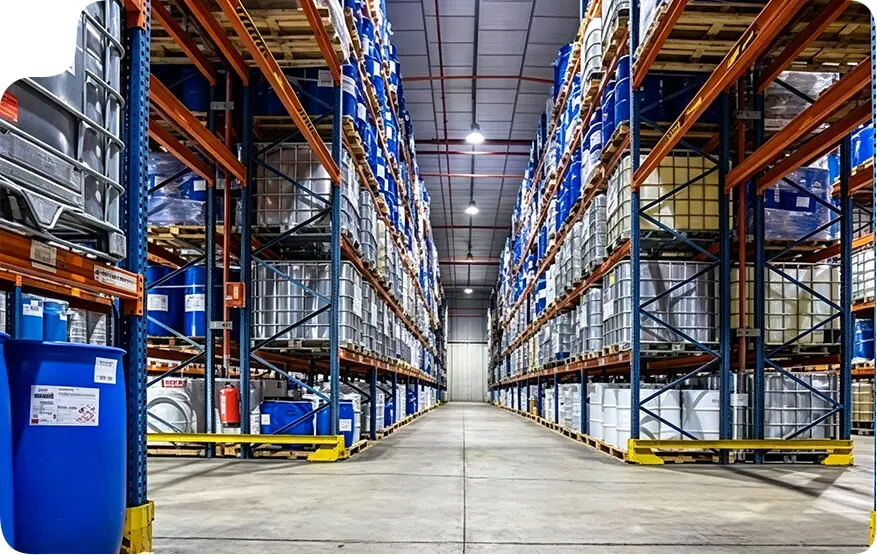
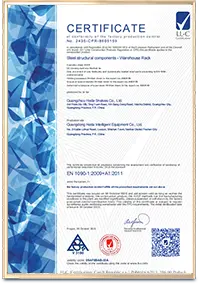
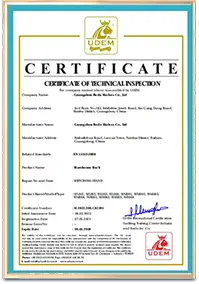
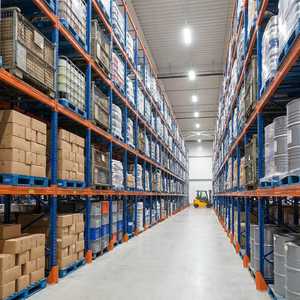
In modern manufacturing facilities and distribution centers, warehouse racking is not passive shelving—it is an active, load-bearing static civil structure. The structural integrity of multi-tier racking directly dictates life safety, asset protection, and supply chain continuity. Procuring substandard steel racking creates severe liability risks, catastrophic progressive collapse hazards, and costly downtime. As an internationally certified original equipment manufacturer (OEM), Guangzhou Heda Shelves Co., Ltd. formulates each racking system based on stringent international engineering frameworks including the European Standard EN 15512:2020 (Adjustable pallet racking systems – Principles for structural design), EN 15620 (Tolerances, deformations and clearances), and the Construction Products Regulation (CPR 305/2011/EU) governing the CE Marking (Certificate No. 2435-CPR-8605159).
1. Metallurgical Formulations and Cold-Formed Steel Dynamics
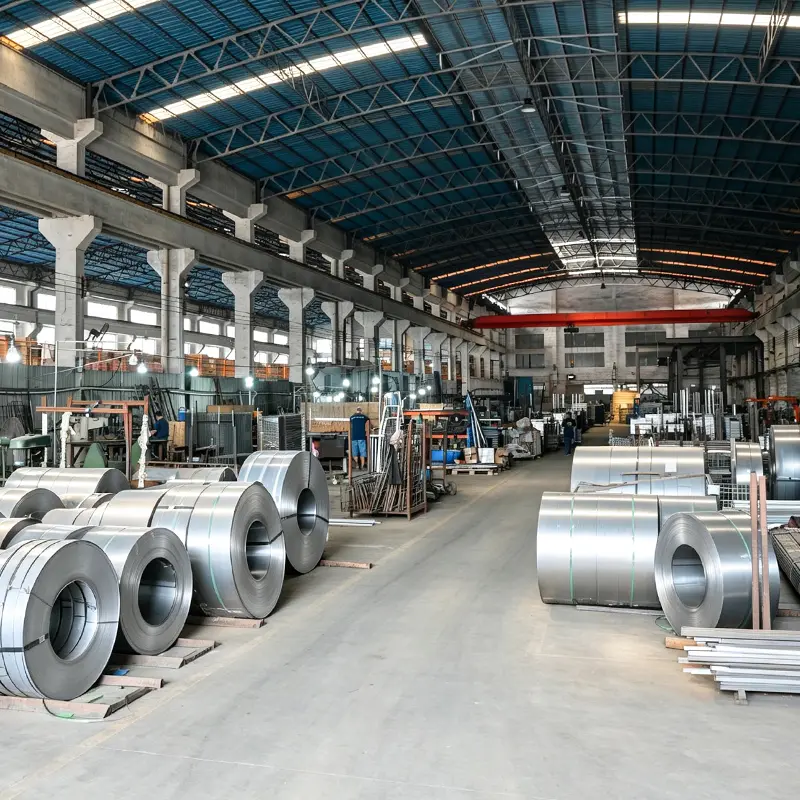
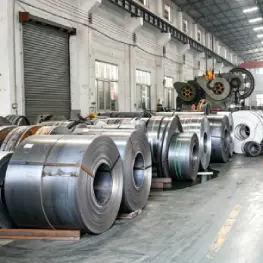
Industrial racking frames must balance high tensile yield points with sufficient elongation ductility to absorb dynamic forklift impacts and seismic acceleration cycles. We utilize prime certified hot-rolled pickling steel strips slit from top-tier state-owned mills, primarily leveraging Q235B and high-strength Q355B micro-alloyed structural steel. Q355B demonstrates a guaranteed minimum yield strength of 355 MPa and a tensile strength range between 470 and 630 MPa, offering exceptional cold-bending resilience without micro-fracturing along tight bend radii.
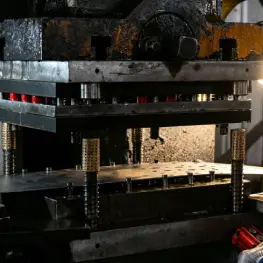
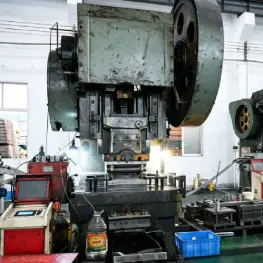
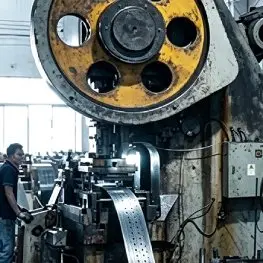
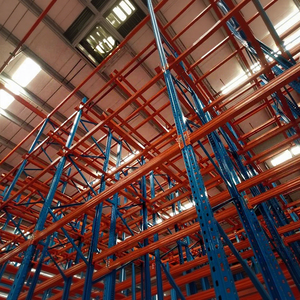
During roll-forming, our automated continuous 18-stage cold-rolling line produces upright profiles featuring optimized omega and modified C-channel cross-sections with return flanges. These multi-bend profiles dramatically elevate the section modulus ($W_x, W_y$) and torsional rigidity ($I_t$), successfully mitigating global torsional-flexural buckling and local distortional buckling under intense axial compression loads.
2. Limit State Calculations & Finite Element Analysis (FEA) Verification
Under the limit state design philosophy specified by EN 15512, rack capacity calculations are separated into Ultimate Limit State (ULS) and Serviceability Limit State (SLS):
- Ultimate Limit State (ULS): Structural capacity must exceed the factored combined action ($1.4 \times \text{Dead Load} + 1.5 \times \text{Live Uniformly Distributed Load} + \text{Incidental Impact Force}$). Upright baseplates and anchoring expansion bolts are calculated against combined shear and eccentric overturning moments.
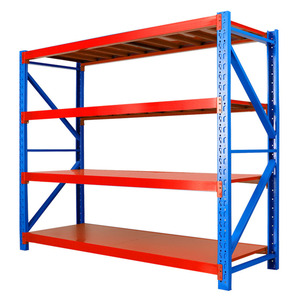
- Serviceability Limit State (SLS): Deflection criteria dictate operational functionality. Under maximum permissible safe working load (SWL), horizontal beam deflection ($\delta$) must strictly never exceed $\delta \le L/200$, where $L$ is the clear span distance between upright columns (e.g., maximum 13.5 mm deflection over a 2,700 mm beam span).
- Beam Connector Semi-Rigidity: Beams are mechanically joined to uprights via multi-claw forged steel connector brackets. Each connection is modeled with quantified rotational stiffness ($C_i$) derived from physical stub-column testing, ensuring authentic sway calculation and seismic resistance under FEM 10.2.02 codes.
| Racking Topology | Standard Steel Grade | Design Compliance | Max Bay Capacity | Selectivity Ratio | Typical Operational Life |
|---|---|---|---|---|---|
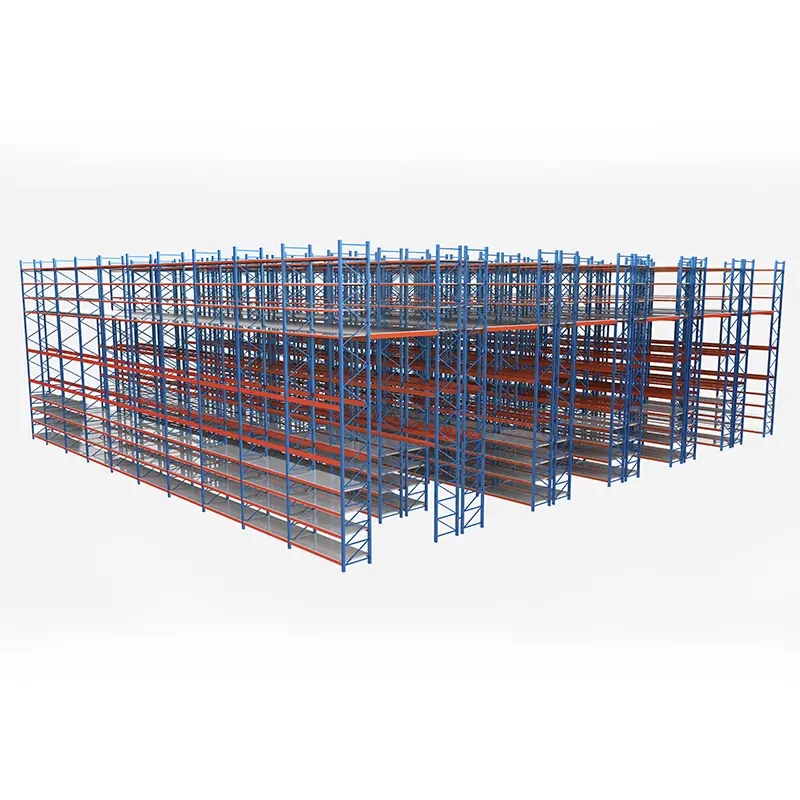
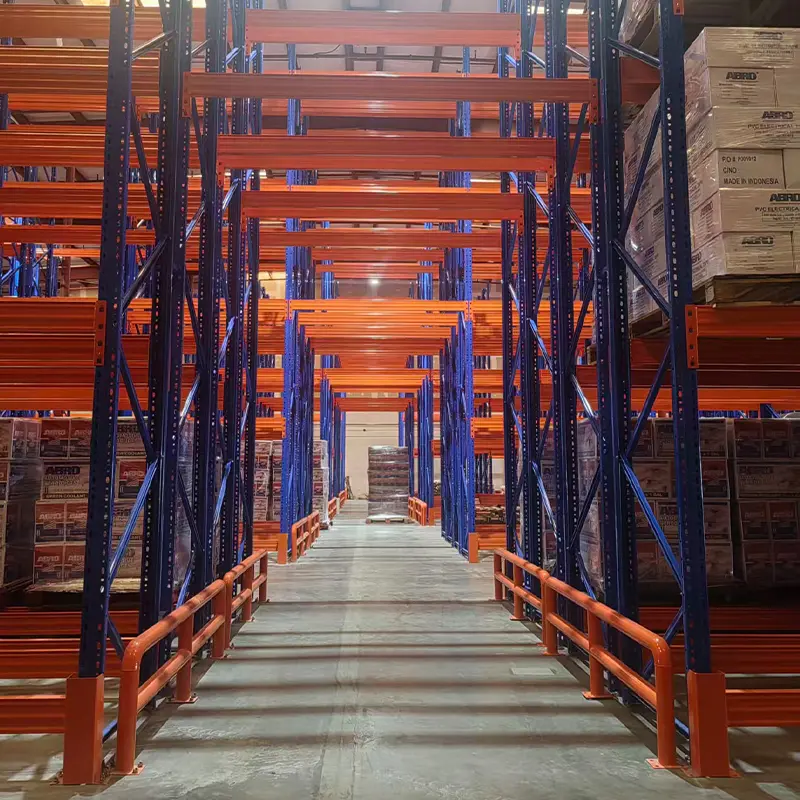
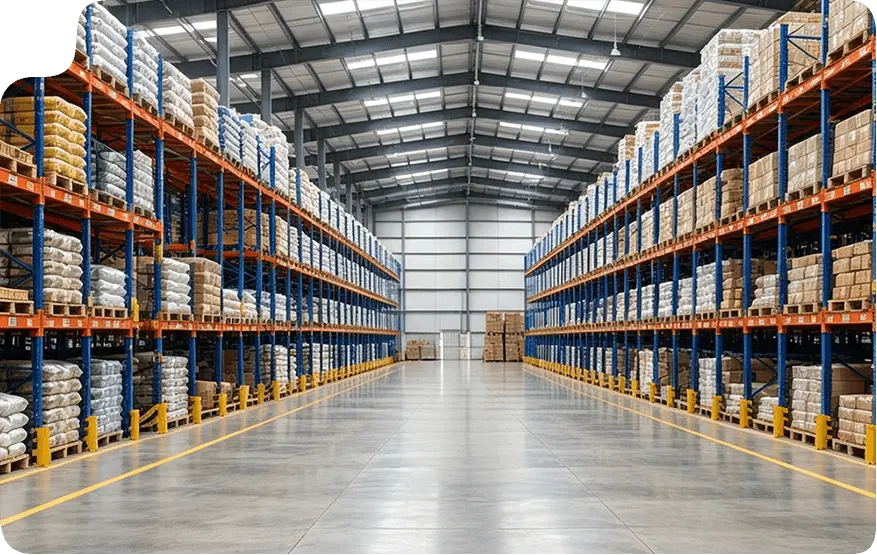
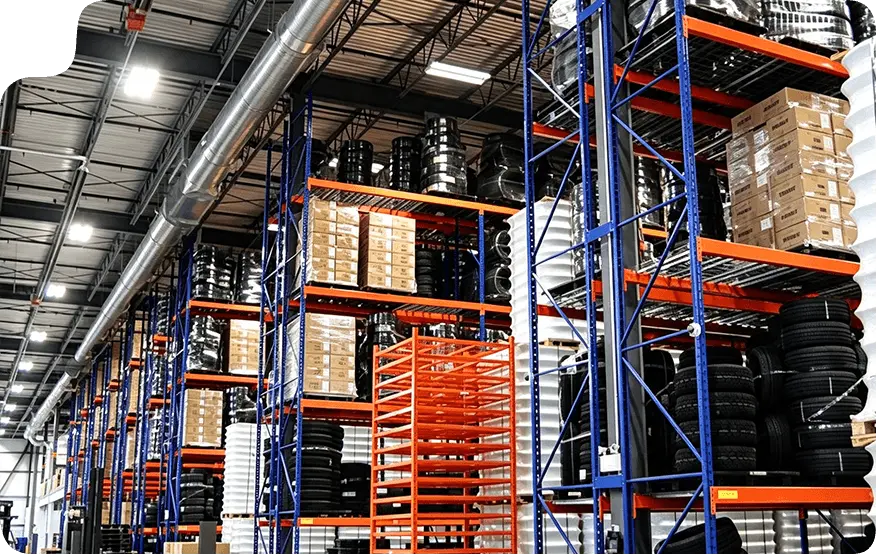
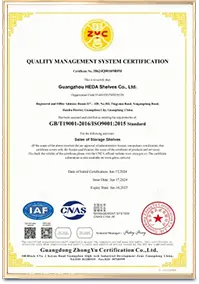
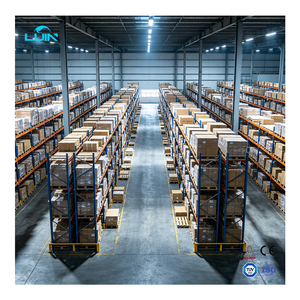
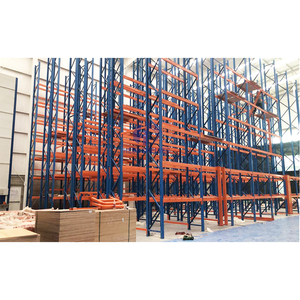
| Selective Pallet Racking | Q235B / Q355B Cold Formed | EN 15512 / CE / ISO 9001 | Up to 24,000 kg / bay | 100% Direct Access | 15 – 25 Years |
| Drive-In / Drive-Through | Q355B Heavy Structural | FEM 10.2.07 / CE Standard | Up to 18,000 kg / bay | Low (LIFO / FIFO Bulk) | 12 – 20 Years |
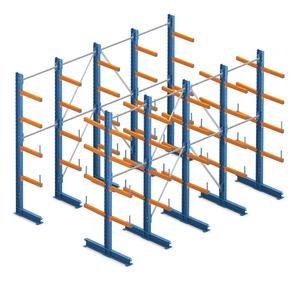
| Heavy Duty Cantilever | Hot Rolled I-Beams / Welded Box | EN 1993-1-1 / CE Marking | Up to 1,800 kg / arm | 100% Linear Access | 20 – 30 Years |
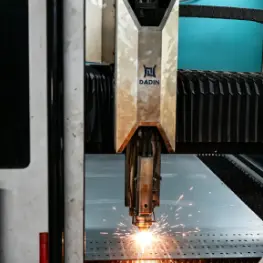
| Radio Shuttle High-Density | Laser Punched Micro-Alloy | EN 15620 Class 300 / 400 | Up to 30,000 kg / block | Batch Selectivity (Auto) | 15 – 20 Years |
3. Surface Chemistry: 10-Step Thermoset Polyester-Epoxy Coating
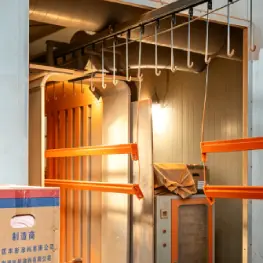
Environmental longevity in industrial and coastal atmospheres depends directly on pre-treatment metallurgy. Unlike inferior workshops that spray powder coating onto oily, mill-scaled raw steel, HEDA Shelves enforces an automatic 10-step immersion chemical pretreatment line:
Components pass through alkaline ultrasonic hot degreasing, twin high-pressure counterflow water rinses, acid pickling to eliminate all ferric oxide scale, neutralising baths, zinc-phosphate conversion coating, and passivation. This conversion crystalline layer guarantees microscopic mechanical anchoring for the subsequent thermoset polyester-epoxy powder application. Cured inside a 200°C recirculating convection tunnel, the final dry film thickness (DFT) reaches 65 to 85 microns, yielding over 500 hours of continuous salt-spray corrosion resistance (ASTM B117) and 2H pencil scratch hardness.