Engineered Warehouse Storage & Workstation Solutions
Precision-fabricated industrial steel racking, modular platforms, dynamic storage lanes, and ergonomic warehouse picking equipment manufactured to international ISO and CE compliance standards.
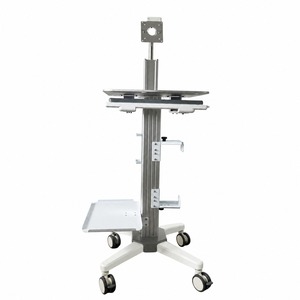
Mobile Workstation Cart with VESA Mount Keyboard Tray Aluminum Column Adjustable Brackets
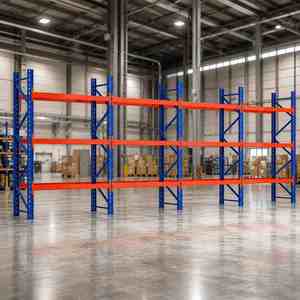
Steel Pallet Racking System Warehouse Rack Storage Shelves Heavy Duty Selective Profile
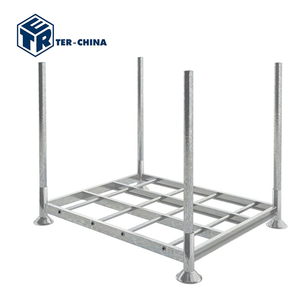
Post Pallet Rack Heavy Duty Stackable Removable Warehouse Hot-dip Galvanized Mild Steel
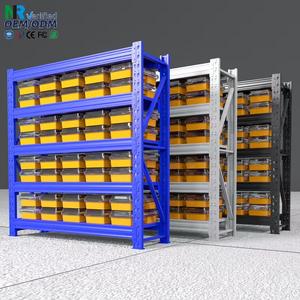
Garage Storage Factory Steel Metal Van Rack System Heavy Duty Single Deep Industrial Shelving
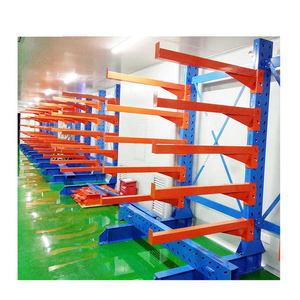
High Quality Heavy Duty Boltless Cantilever Rack Shelf 5 Layer Adjustable Metal Racking 1000kg
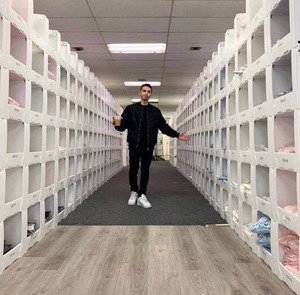
Foldable Corflute Correx PP Corrugated Plastic Stacking Warehouse Collapsible Storage Box
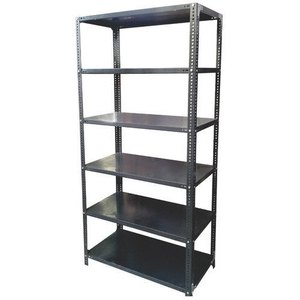
4/5 Level with Screw Corner Metal Storage Rack Wholesale Warehouse Slotted Angle Shelving
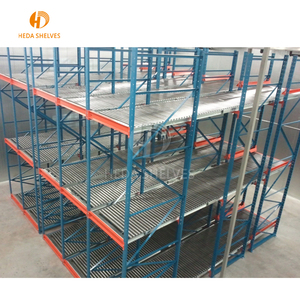
FIFO Order Picking Warehouse Shelf Gravity Carton Flow Rack for Assembly & Fulfillment
Technical White Paper: Structural Principles of Rack-Supported Mezzanines
A rack-supported mezzanine (also known in industrial logistics as an integrated catwalk system, multi-tier racking structure, or shelf-supported intermediate floor) is a heavy-duty intralogistics platform that uses vertical upright pallet racking frames and shelf uprights as the primary structural columns supporting an elevated flooring deck. Unlike conventional building structural steel platforms that demand heavy wide-flange I-beams (H-columns) and expansive independent concrete footing pad anchors, rack-supported systems integrate pallet racking or longspan shelving directly into the load-bearing framework.
By engineering standard storage uprights to carry both the dead load of elevated steel flooring, sub-beams, catwalks, staircases, and handrails, alongside the live load of picking operators, material carts, pallet lifters, and active inventory, supply chain operators eliminate cubic void airspace. Industrial logistics facilities operating under severe commercial real estate leases, municipal land zoning constraints, or high port container demurrage fees utilize rack-supported mezzanines to double or triple usable floor square meterage without expanding building footprints or undertaking prolonged municipal structural permitting.
Architectural & Engineering Comparative Analysis
To assist logistics directors, supply chain procurement managers, and industrial structural engineers in evaluating space multiplication methodologies, the following architectural matrix contrasts the three prevailing warehouse vertical expansion methodologies:
| Evaluation Parameter | OEM Rack-Supported Mezzanine | Structural Steel Platform (Wide-Flange) | Traditional Civil Warehouse Expansion |
|---|---|---|---|
| Primary Vertical Support | Reinforced cold-formed racking uprights & step beams | Heavy rolled universal columns (H-beams / I-beams) | Concrete columns, steel building frames, masonry |
| Storage Density Efficiency | Maximum (90–95%): Continuous multi-tier shelving | Medium (50–60%): Requires independent racks placed on top | Low baseline: Expands horizontal area, leaves vertical voids |
| Foundation / Slab Demand | Distributed baseplate loads (150–250mm standard slab) | Concentrated point loads often demanding concrete footings | Extensive civil earthwork, deep pilings, slab engineering |
| Capital Expenditure (CAPEX) | Low to Moderate ($35–$75 / m²) | High ($90–$160 / m² plus top-tier racking costs) | Very High ($450–$950 / m² construction cost) |
| Implementation Lead Time | 4 to 8 weeks manufacture + rapid modular boltless fit | 10 to 18 weeks engineering, fabrication & crane welding | 9 to 24 months municipal permitting, zoning, construction |
| Relocatability & Flexibility | 100% modular knocked-down boltless assembly | Semi-demountable; heavy structural cutting/welding needed | Permanent; cannot be relocated or liquidated |
| Asset Depreciation Advantage | Classified as equipment / movable property (accelerated) | Often classified as building leasehold improvement | Real estate commercial property (standard 30–39 yr schedule) |
Decking Engineering & Fire Suppression Integration
Selecting appropriate floor decking material is a mission-critical safety and code-compliance phase in mezzanine engineering. Our OEM export capabilities include four specialized platform finishes:
- Galvanized Perforated Steel Planks: Features precision punched drainage slots providing 25% to 50% open area ratios. This engineering profile permits NFPA 13 compliant overhead fire sprinkler water penetration through upper deck tiers to lower storage levels while delivering non-slip pedestrian traction.
- Heavy-Duty Welded Bar Steel Grating: Comprising forge-welded bearing bars and cross rods, offering maximum air circulation, smoke extraction, and natural lighting transparency for multi-tiered logistics hubs.
- Solid B-Deck Corrugated Steel with Particle Board / Resintek: Heavy structural corrugated steel underlayment overlaid with 18mm–25mm high-density tongue-and-groove composite decking, engineered for smooth pallet jack and picking cart wheel rolling with reduced sound resonance.
- Checker Steel Plate (Diamond Pattern): Cold-rolled embossed heavy steel plate providing wear resistance and chemical spill protection for industrial maintenance decks, automotive parts distribution, and heavy tool storage.
Why Global Tier-1 Distributors Source From Our Manufacturing Base
Founded in 2001, Guangzhou Heda Shelves Co., Ltd. operates a 30,000 square meter integrated manufacturing campus equipped with automated roll-forming lines, robotic welding cells, and eco-certified powder coating systems.
25+ Years Manufacturing Heritage
Continuous production since 2001 with more than 10,000 warehouse projects completed across 120+ countries, spanning Africa, Southeast Asia, the Middle East, Europe, and the Americas.
CE & ISO 9001:2015 Certified
Manufactured in strict adherence to CE Certification No. 2435-CPR-8605159 and ISO 9001:2015 Quality Management System No. 18624Q00169R0M, with verified RoHS non-hazardous coating compliance.
10-Stage Surface Engineering
Comprehensive chemical immersion pickling, degreasing, and phosphating pretreatment followed by automatic 180°C electrostatic powder curing, ensuring anti-corrosion endurance in coastal and humid climates.
End-to-End OEM & ODM Customization
Custom roll-formed column pitch configurations (50mm/75mm/76.2mm teardrop or hex-hole punches), custom RAL color matches, client brand badging, and bespoke component fabrication tailored to proprietary client specifications.
Container Freight Packing Optimization
Knocked-down components bundled using precision steel cradles and protective bubble wraps. Upright frames and beams are nested to utilize 98% of 20GP and 40HQ container cube volume, drastically slashing landed freight cost per pallet location.
Complete Structural Engineering Dossier
Every export consignment includes full structural CAD assembly blueprints, finite element analysis (FEA) reports, parts piece marks, step-by-step 3D visual erection manuals, and remote video installation support.
Technological Advancements in Modern Mezzanine Architecture
Driven by omnichannel e-commerce demand and automated warehouse integration, rack-supported platform engineering has transitioned from passive storage tiers to active, high-velocity intralogistics ecosystems.
AMR & AGV Dynamic Deck Integration
Modern multi-tier mezzanines are engineered to accommodate autonomous mobile robot (AMR) fleets operating on elevated levels. This demands high-rigidity substructure bracing, sub-millimeter deck deflection control (L/400 to L/600 tolerances), and anti-static floor coatings.
High-Yield Micro-Alloy Steel Profiles
Adoption of micro-alloyed, cold-rolled high-tensile steel grades enables thinner gauge upright profiles without sacrificing vertical axial load resistance. This reduces shipping dead weight by 12–18%, mitigating global maritime shipping surcharges.
Integrated Vertical Material Flow
Next-gen systems integrate continuous vertical reciprocating conveyors (VRCs), high-speed spiral chutes, and automatic pallet drop safety pivot gates directly into the racking structural uprights, removing manual forklift transfer dependencies.
BIM 3D Digital Twin Engineering
Structural modeling executed through Building Information Modeling (BIM) platforms ensures clash-free integration with building HVAC, high-bay LED electrical raceways, and NFPA overhead in-rack sprinkler pipe runs prior to factory roll-forming.
Strategic Procurement Trends: How Global Buyers Source Mezzanine Systems
Procuring rack-supported mezzanine platforms across international borders represents a major capital investment where total cost of ownership (TCO) extends well beyond the FOB factory quotation. B2B supply chain executives and project procurement managers are adapting to distinct procurement vectors:
1. Direct Manufacturer Sourcing vs. Intermediary Trading Entities
Logistics operators are increasingly bypassing domestic third-party system integrators and trading agencies to forge direct OEM procurement agreements with verified Chinese manufacturers like Guangzhou Heda Shelves Co., Ltd. Direct OEM engagement yields 25% to 40% capital cost reductions, direct access to structural engineering teams for real-time CAD layout revisions, and custom steel roll-forming tooling tailored to unique building clear heights.
2. Modularity for Reconfiguration and Relocation
With warehouse rental lease terms averaging 3 to 7 years in urban logistics hubs, procurement teams mandate 100% boltless, modular knockdown mezzanine designs. Systems built with welded fixed columns are becoming obsolete; modern buyers demand teardrop or interlocking hook-in beam connectors that can be dismantled, reconfigured, or expanded into alternative warehouse layouts without structural destruction.
3. Climate-Resilient Finishes for Nearshoring & Emerging Port Hubs
Warehousing expansion across developing industrial zones in West, East, and Southern Africa (such as Lagos, Tema, Mombasa, and Durban), Southeast Asia, and Latin America exposes structural steel to aggressive atmospheric humidity and ambient coastal salinity. Procurement contracts increasingly specify hot-dip galvanization (HDG according to ISO 1461) for upright footplates and sub-assemblies, combined with zinc-phosphate powder coating formulations to prevent structural oxidization.
4. Container-Optimized Structural Sizing
Skyrocketing ocean freight rates have elevated freight container utilization into a top procurement metric. Savvy global buyers require manufacturers to design maximum upright component lengths within 5.85 meters (for 20GP container loading) or 11.8 meters (for 40HQ container loading), avoiding costly breakbulk break-bulk or open-top container freight surcharges.
Frequently Asked Questions: Custom OEM Rack Supported Mezzanines
Detailed technical, structural, regulatory, and shipping answers to help your engineering and logistics teams specify and import multi-tier racking systems with complete confidence.
How do you calculate warehouse floor concrete slab capacity for a rack-supported mezzanine?
What fire protection and NFPA sprinkler standards apply to multi-tier mezzanine floors?
What is the difference between a rack-supported mezzanine and a shelving-supported mezzanine?
How are components packaged and secured to prevent damage during transoceanic shipping?
Can a local contracting crew install the system without overseas technicians on site?
What structural parameters are required to receive a custom design and price quotation?
How does the system ensure safety compliance for stairs, handrails, and pallet drop areas?
What customs HS codes, tariffs, and export documentation apply to overseas shipments?
Turnkey 4-Stage OEM Delivery Architecture
A transparent, ISO 9001:2015 controlled execution process designed to deliver zero-defect overseas shipments on schedule.
CAD Layout & FEA Load Simulation
Our structural engineers analyze your building floor plan, calculating dead, live, and seismic loads to generate 2D CAD layouts, 3D renderings, and steel tonnage bill of materials (BOM).
Precision Automated Manufacturing
Cold-roll forming of upright profiles from Q235B/Q355B coils, continuous CNC punching, robotic laser welding of beam connectors, and 10-stage electrostatic powder coating.
Pre-Shipment Trial Assembly & QC
Key column connections, beam safety clips, staircase assemblies, and floor deck interlocking tolerances undergo trial pre-assembly on our factory floor prior to container loading.
Export Packing & Site Support
Cube-optimized container packing, palletizing, export customs clearance, complete erection dossiers, and remote or on-site engineer installation supervision.