High-Yield Certified OEM Shelving & Racking Systems
Manufactured using cold-rolled Q235B and Q355B structural steel, finished with anti-corrosion electrostatic powder coatings, and engineered according to ANSI/RMI MH16.1 and EN 15512 structural specifications.
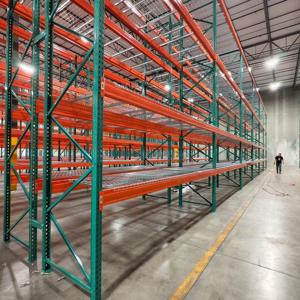
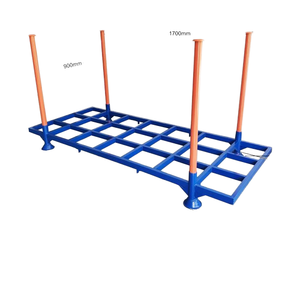
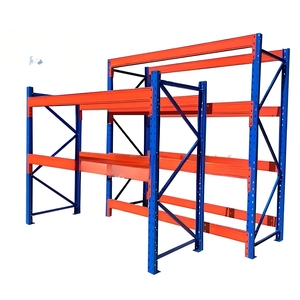
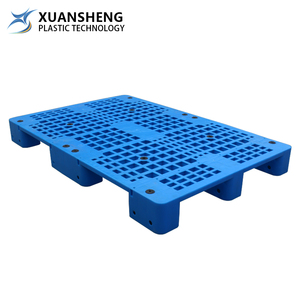
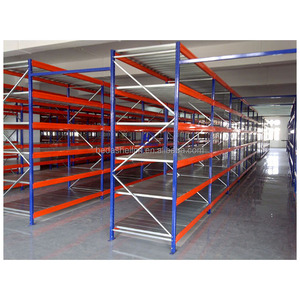
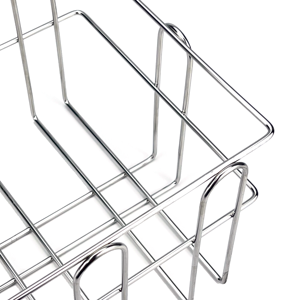
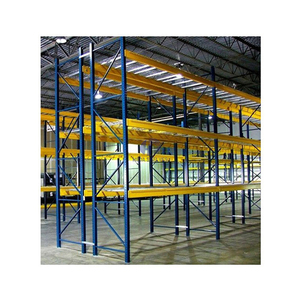
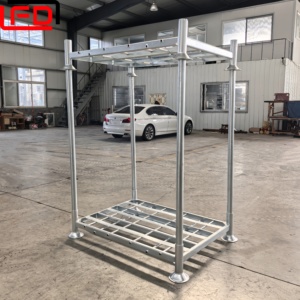
End-to-End OEM/ODM Manufacturing with Structural Engineering Rigor
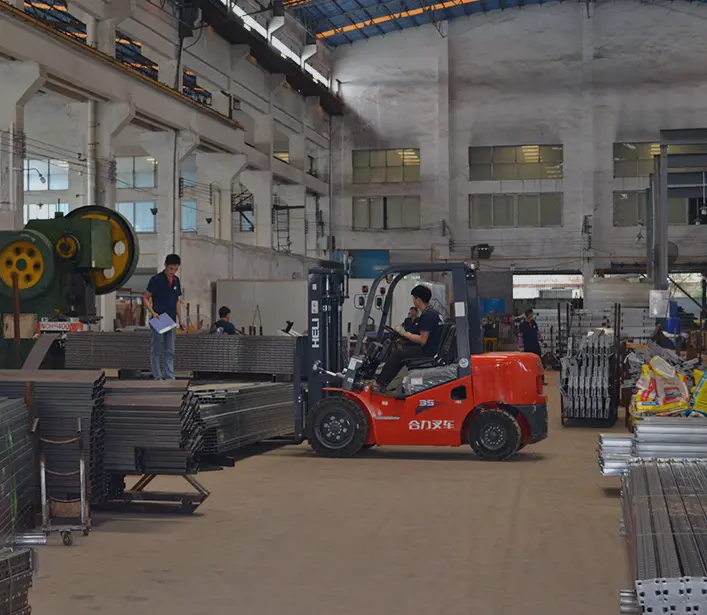
Founded in 2001, Guangzhou Heda Shelves Co., Ltd. has evolved into a global leader in designing, calculating, and manufacturing high-density warehouse storage systems. Operating from our specialized 30,000 m² factory in Guangzhou, China, our 300+ structural engineers, precision machine operators, and international project directors ensure seamless execution of complex intralogistics contracts.
Unlike trading intermediaries, we exercise absolute control across the raw material cold-rolling, automatic punching, multi-head robotic welding, and 10-stage pre-treatment powder coating processes. Every structural beam, box upright, and bracing truss meets rigorous CE (No. 2435-CPR-8605159) and ISO 9001:2015 quality standards.
Free 3D & CAD Design
Complete structural FEA load calculation, seismic floor simulation, and architectural CAD layout delivered within 24 hours.
Turnkey Customization
Bespoke upright punching dies, custom RAL powder finishes, and customized dimensions engineered to client building columns.
Anti-Corrosion Pretreatment
Industrial acid pickling and phosphating lines ensure 500+ hours of salt spray resistance for humid and coastal hubs.
Ocean Freight Optimization
Precision knock-down packaging and container cubing algorithms maximize 40HQ stuffing volume, slashing unit freight cost.
Future Procurement Trends in Industrial Warehouse Racking (2025–2035)
Global supply chain managers and project engineers are transitioning from basic static storage procurement to lifecycle-cost driven, automation-ready structural investments. Explore the key shifts reshaping commercial purchasing decisions.
TCO vs. Landed Freight Minimization
Procurement teams no longer assess racking strictly by initial FOB mill prices. Freight volatility has elevated high volumetric packing density to a top priority. Modular uprights that nest precisely inside 40HQ shipping containers reduce ocean logistics costs by up to 32% per pallet position, while pre-punched connector slots eliminate site re-drilling and hot work during installation.
High-Yield Cold-Chain Metallurgical Resilience
With rapid global cold chain expansion for pharmaceuticals and fresh perishables, conventional mild steel racking suffers from brittle fracture risks below -25°C. Procurement standards now mandate micro-alloyed low-carbon high-yield steels (such as Q355D/E) combined with continuous hot-dip galvanization (EN ISO 1461) to withstand cyclic condensation and sub-zero stress concentrations.
Automation-Ready Hybrid Topologies
Modern distribution warehouses are shifting away from standalone selective racks in favor of structures capable of evolving into 2D radio-shuttle systems or mini-load Automated Storage and Retrieval Systems (ASRS). Specifying standardized high-tolerance guide rails and reinforced baseplates protects capital expenditure against early system obsolescence.
| Storage Topology | Floor Space Utilization | Stock Rotation Logic | Forklift Compatibility | Target SKU Density | TCO Sensitivity |
|---|---|---|---|---|---|
| Selective Pallet Racking | 40% – 45% (Aisle-heavy) | 100% Direct Select (FIFO) | Universal (Counterbalance, Reach) | High SKU variety, low depth | Lowest initial CapEx; moderate building footprint |
| Drive-In / Drive-Through | 70% – 80% (Dense block) | LIFO (Drive-In) / FIFO (Drive-Thru) | Specialized Narrow Reach Truck | Low SKU variety, high batch volume | High density; requires heavy upright post guards |
| Radio Shuttle Automation | 80% – 85% (Max volumetric) | Automated FIFO or LIFO | Standard forklift at corridor face | Medium SKU, ultra-deep lanes | Higher initial shuttle CapEx; zero rack impact |
| Rack-Supported Mezzanine | 180% – 250% (Vertical cube) | Hybrid Pallet + Pick Bin | Ground forklift + Goods lift / Chute | High-mix e-commerce, spare parts | Replaces expensive building civil expansions |
Racking Technology Innovations: Structural Mechanics & Sustainability
Advanced structural modeling and automated fabrication methods are fundamentally upgrading the physical durability, safety tolerances, and modular versatility of commercial warehousing steelwork.
Omega Multi-Facet Column Profiles
Traditional C-shaped uprights are prone to torsional-flexural buckling under non-uniform seismic cycles. Modern production utilizes computer-controlled roll-forming to produce 11-to-13 bend Omega (Ω) continuous upright columns. This geometry redistributes the cross-sectional moment of inertia, generating a 24% increase in axial compressive resistance while cutting steel material deadweight.
Epoxy-Polyester Hybrid Electrostatic Finishing
Industrial warehousing environments subject shelf frameworks to aggressive surface contact, forklift tines friction, and chemical residues. Utilizing closed-loop powder recovery systems, components receive zinc-phosphate micro-crystalline conversion followed by dry electrostatic deposition of cross-linked thermosetting epoxy-polyester coatings, cured at 200°C for exceptional scratch hardness.
Green Logistics & Low-Carbon Steel Tracing
Global carbon border adjustment mechanisms (CBAM) make environmental transparency crucial for tier-1 supply contracts. Our production integrates traceable prime hot-rolled coils from certified EAF (Electric Arc Furnace) mills, producing up to 60% lower embedded carbon than blast-furnace routes, backed by comprehensive mill test certificates (MTC EN 10204 Type 3.1).
Warehouse Shelving & Racking Procurement FAQ
Clear, technical explanations prepared by our senior structural engineering team to address complex project parameters, seismic ratings, floor loadings, and international logistics.
What engineering data is required to generate a safe 3D layout and load calculation?
- Building Architectural Drawings: Clear ceiling height to low-hanging trusses, sprinkler pipe elevations, column spacing grid, floor slab thickness, expansion joint positions, and dock door placements.
- Unit Load Specs: Pallet dimension (W × D × H including cargo overhang), maximum gross pallet weight, pallet base construction (two-way or four-way entry, skids or full perimeter base).
- Material Handling Equipment (MHE): Forklift turning radius (Aisle Width requirement AST), maximum mast lift height, collapsed mast height, and outrigger wheel profiles.
- Environmental Dynamics: Seismic zone acceleration parameters ($S_s, S_1$), ambient temperature range, and building air moisture levels.
How does HEDA guarantee compliance with international seismic and structural codes?
When should cold-rolled powder-coated steel be chosen versus hot-dip galvanized finish?
Hot-Dip Galvanized (HDG): Essential for outdoor storage yards, marine coastlines with salt air, chemical fertilizer facilities, and continuous sub-zero blast freezers. Zinc immersion (>85 µm coating thickness) provides sacrificial cathodic protection against rust, even if surfaces are deeply scratched.
What is the maximum achievable height for custom upright frames in high-bay systems?
How do you optimize knock-down shipping packaging to minimize ocean freight costs?
- Upright Frames: Shipped unassembled as nested vertical columns and bundled diagonal/horizontal bracing struts, saving up to 60% cubic space compared to pre-welded frames.
- Box Beams: Bundled with custom wooden dunnage, protected by corrugated paper edge guards, and strapped with high-tensile steel bands.
- Accessories & Hardware: Bolts, nuts, safety locking pins, and leveling shims are packed in labeled poly-woven crates on heavy-duty wooden skids for quick inventory tracking at destination.