Pallet Storage
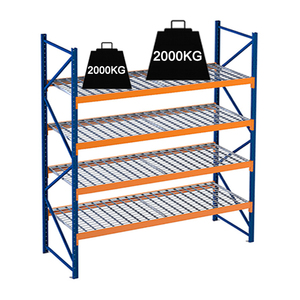
Stackable Pallet Storage Racking Units 1000KG-3000KG
- Capacity: 1,000kg – 3,000kg/beam pair
- Steel Grade: Hot-dipped Q235B cold-rolled
Precision-manufactured load-bearing configurations manufactured strictly from certified high-tensile Q235B and Q355B cold-rolled structural steel coils.
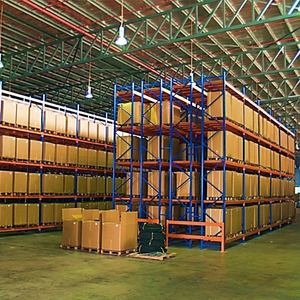
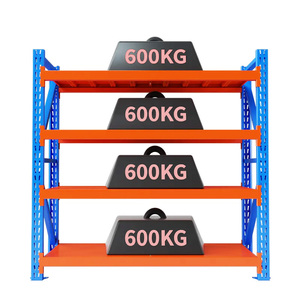
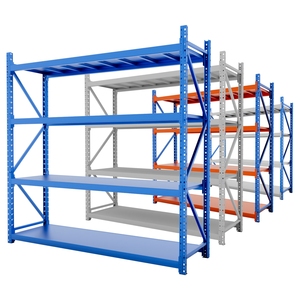
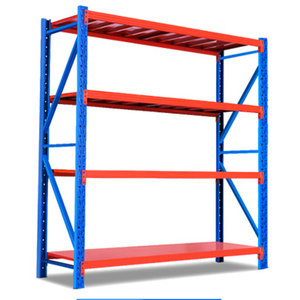
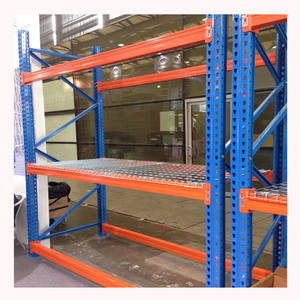
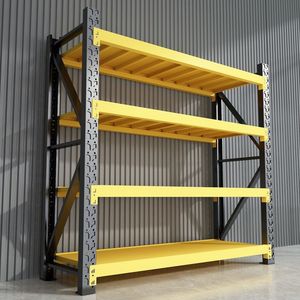
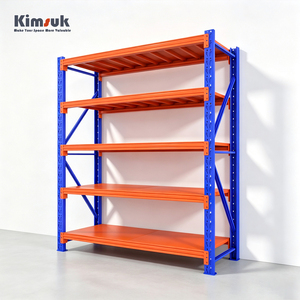
Operating directly as a primary manufacturer since 2001, we eliminate third-party trading markups while offering verified manufacturing traceability and engineering consulting.
Over two continuous decades dedicated solely to the development, load simulation, and manufacturing of heavy-duty industrial shelving, pallet racks, and multi-tier mezzanine floors.
Our facility holds accredited CE Certification (No. 2435-CPR-8605159), ISO 9001:2015 Quality Management standards (Cert No. 18624Q00169R0M), and full RoHS heavy-metal compliance.
We provide free, zero-obligation structural design services, delivering comprehensive AutoCAD layouts, finite element stress analysis (FEA), and realistic 3D warehouse renderings within 24 hours.
Precision bundling, nested profile design, and bespoke export crating ensure complete cargo protection and maximize volumetric loading inside 20GP, 40GP, and 40HQ sea containers.
An authoritative technical analysis of seismic calculations, material metallurgy, cold chain dynamics, and automated robotics convergence shaping modern warehouse systems.
The global material handling industry is undergoing a critical transition from conventional hot-rolled structural shapes toward high-strength, thin-walled cold-formed steel sections. Modern OEM manufacturers exploit continuous roll-forming with multi-station CNC punching profiles to introduce complex, work-hardened web and flange stiffeners into upright columns. By shifting from standard Q235B structural carbon steel to micro-alloyed Q355B (equivalent to ASTM A572 Grade 50), the structural yield strength increases by up to 51%, dropping gross dead-weight by 18-24% while exceeding EN 15512 and RMI MH16.1 deflection thresholds.
Furthermore, finite element analysis (FEA) has superseded generalized static load equations. Modern automated design systems test each component against buckling limits, rotational spring constants at the beam-to-column connector, and baseplate floor anchor shear resistances. This ensures absolute stability in tall, narrow structures that face heavy cyclic forklift impacts and seismic acceleration forces.
Traditional static warehouse shelving is increasingly complemented by semi-automated and automated intralogistics architectures. High-density, deep-lane storage configurations are rapidly replacing standard wide-aisle racking to combat skyrocketing commercial real estate lease rates. Radio Pallet Shuttle systems, Automated Storage and Retrieval Systems (AS/RS), and Autonomous Mobile Robot (AMR) integration demand structural deflection tolerances far tighter than conventional manual forklift setups (often exceeding 1/500th of span length versus the conventional 1/200th).
| Storage System Architecture | Aisle Space Utilization | Throughput & Accessibility | Energy & Operational Overhead | Capital Investment Matrix |
|---|---|---|---|---|
| Selective Pallet Racking | 35% – 42% (Wide Forklift Aisles) | 100% Direct Immediate Access | Passive (Zero Direct Power) | Lowest Initial CAPEX Entry |
| Drive-In / Drive-Through | 65% – 75% (Eliminates Cross Aisles) | LIFO or Strict Bulk FIFO Blocks | Passive (Forklift Exhaust/Battery) | Moderate CAPEX; High Bay Risk |
| Radio Shuttle High-Density | 75% – 85% (Continuous Run Rails) | Automated High Throughput Lanes | Rechargeable Lithium Batteries | Balanced Medium-to-High CAPEX |
| AS/RS Automated Crane Racking | 88% – 94% (Full Height Vertical) | Ultra-High Continuous 24/7 Run | Continuous Electrical Grid Link | Highest CAPEX; Rapid ROI Scale |
Premature industrial shelving failures stem directly from insufficient surface preparation rather than direct physical overloads. In high-humidity maritime regions, coastal distribution hubs, or pharmaceutical cold chain freezers operating below -30°C, micro-porosities in single-layer paint coatings trigger accelerated oxidation along structural seams.
Standard-tier suppliers often rely on simple solvent degreasing followed by air-dried enamel sprays. By contrast, industrial-grade manufacturing demands an intensive 9-stage automated chemical immersion protocol incorporating hot alkaline degreasing, twin water neutralization rinses, chemical acid pickling for mill-scale removal, and advanced zinc phosphating. This substrate treatment provides the mechanical keying required for thermoset electrostatic epoxy-polyester powder coats, which are baked in continuous ovens at 180°C to 200°C to create an 80 to 120-micron barrier that withstands 500+ hours of ASTM B117 salt spray exposure without failure.
Key strategies procurement teams use to build reliable, high-yield intralogistics infrastructure while mitigating risks.
Smart procurement directors evaluate total landed cost per usable pallet position rather than price-per-kilogram. Structural optimization that cuts steel mass without compromising EN 15512 safety margins delivers direct savings across international ocean freight, handling, and import tariffs.
Corporate Environmental, Social, and Governance (ESG) mandates now scrutinize warehouse fit-outs. Cold-formed steel shelving provides exceptional recyclability at end-of-life and, when coated with heavy-metal-free, VOC-free thermoset powder coats, helps facilities secure LEED and BREEAM certifications.
Forward-looking logistics operators invest in modular shelving architectures that accommodate add-on tiers, rack-supported mezzanines, carton-flow beds, or automated shuttle rails as SKU volumes grow, eliminating the need for disruptive, full-facility tear-outs.
Clear, practical answers covering technical load-bearing thresholds, export packaging logistics, and international safety compliance.
Connect directly with our senior application engineers. Receive a complete AutoCAD layout, 3D visual rendering, structural static analysis, and an export container shipping quote for your facility within 24 hours.
Get a Quote