High-Density Storage & Industrial Racking Lineup
Heavy-duty cold-chain drive-in racking, cantilever systems, push-back solutions, and heavy warehouse platforms engineered to European FEM, American RMI, and Australian AS4084 structural performance standards.
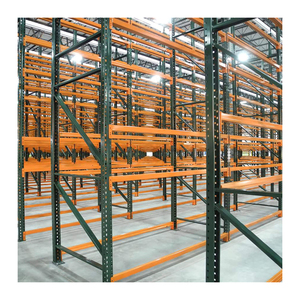
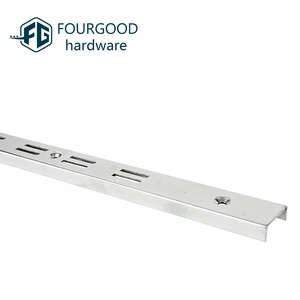
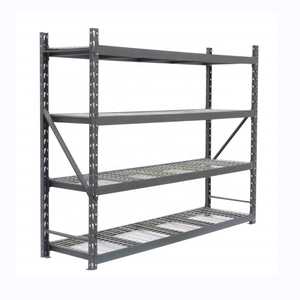
The Physics, Structural Architecture & Density Dynamics of Drive-In Racking
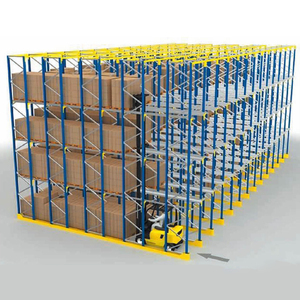
Conventional selective racking reserves over 60% of floor space for forklift access aisles. Drive-in pallet racking eliminates dedicated corridors, collapsing operational footprint to achieve 75% to 85% volumetric cubic utilization. Discover the structural principles governing safety, static loads, and forklift interface dynamics.
FILO vs. FIFO Geometry
Drive-In racking functions primarily on a First-In, Last-Out (FILO) methodology, accessing inventory lanes from a single entry face. In contrast, Drive-Through systems utilize dual-entry corridors to enforce strict First-In, First-Out (FIFO) stock rotation.
- Single-sided entry reduces seismic torsional instability
- Ideal for batch-manufactured items and homogenous SKUs
- Minimizes energy consumption in refrigerated warehouses
- Lane depths optimized from 4 to 12 pallets deep
Corbel Arms & Continuous Rails
Unlike selective racking where pallets rest across horizontal crossbeams, drive-in systems support pallets on continuous cold-rolled formed steel rails cantilevered from vertical upright frames via heavy-duty stamped corbel brackets.
- Engineered using high-ductility Q355B structural steel
- Tapered rail design centers pallets during forklift entry
- Corbel brackets with 3-claw or 4-claw safety interlocking
- Integrated floor guide rails prevent forklift wheel misalignment
Top & Spine Bracing Dynamics
Because the internal aisle beams are omitted to allow forklift entry, structural lateral stiffness is transferred to an upper horizontal portal beam network, top diagonal cross-bracings, and rear vertical spine bracing trusses.
- Prevents horizontal frame deflection under dynamic loading
- Dissipates energy during minor forklift mast contact
- Calculated under FEA (Finite Element Analysis) for seismic zones
- Meets EN 15512 deflection limits under maximum rated capacity
| Storage System Type | Floor Space Utilization | Volume Cubic Density | Stock Access (FIFO/FILO) | SKU Diversity Capacity | Capital Investment Ratio | Operational Throughput |
|---|---|---|---|---|---|---|
| Drive-In Pallet Racking | Up to 80% | Very High (85%) | FILO (First-In, Last-Out) | Low to Moderate (Bulk SKUs) | Low to Medium (Economical) | Moderate (Controlled Batching) |
| Selective Pallet Racking | 35% – 45% | Low (40%) | 100% Direct FIFO Access | Maximum (Every SKU Accessible) | Lowest Initial Entry Cost | Fast (Direct Forklift Picking) |
| Push-Back Racking | 65% – 75% | High (70%) | FILO (Gravity Carts) | Moderate (2-6 SKUs / Lane) | Medium to High (Cart Hardware) | Rapid (Forklift stays in aisle) |
| Radio Shuttle Automation | 85% – 90% | Maximum (92%) | Both FIFO & FILO Flex | High (Flexible Lane Depths) | Higher (Battery Shuttles & Rails) | Very High (Automatic Runner) |
Strategic Procurement & Technological Trends in Drive-In Systems
Global warehousing economics are shifting rapidly under urban land constraints, soaring cold-storage electricity rates, and automated material handling integration. Understanding these macro shifts empowers supply chain directors to future-proof their racking investments.
Shuttle-Convertible Hybrid Engineering
Procurement leaders increasingly request "Dual-Use" drive-in structures. In 2025+, forward-thinking warehouses procure drive-in frames pre-punched with mounting channels that can convert into 4-way Radio Shuttle automated channels without structural steel replacement when throughput demands surge.
Cold Chain Energy Optimization
Refrigerated and frozen food logistics are expanding globally. Because cold air circulation must be maintained without thermal bridging, high-density drive-in systems are engineered with engineered pallet spacing gaps, high-tensile low-temperature steel (impact tested at -30°C), and corrosion-resistant powder formulas.
AGV & AMR Autonomous Integration
Driver shortages and labor cost surges are driving the transition from manual counterbalance forklifts to Autonomous Guided Vehicles (AGVs). Modern drive-in corridors are now fabricated with sub-millimeter laser tolerances, magnetic ground strips, and optical sensor targets for unmanned pallet deposition.
Decarbonization & Green Steel Sourcing
Multinational procurement mandates now audit Scope 3 carbon emissions. Chinese tier-1 manufacturers are adopting electric arc furnace (EAF) low-carbon steel, eco-friendly closed-loop pickling phosphating systems, and zero-VOC heavy-duty electrostatic powder coatings verified by SGS and RoHS.
Why Tier-1 Importers Partner with Guangzhou Heda Shelves
From coil slitting to precision roll-forming, anti-corrosion chemical treatment, and container packing optimization, our 30,000 m² facility delivers engineered structural excellence directly from China to your job site.
Guangzhou Heda Shelves Co., Ltd. — Turnkey Engineering Since 2001
For over 25 years, Guangzhou Heda Shelves Co., Ltd. has stood at the forefront of China's heavy-duty industrial storage export sector. Operating a modern 30,000 square meter integrated manufacturing facility staffed by over 300 experienced structural engineers and certified production specialists, we process upwards of 30,000 metric tons of certified steel monthly.
Unlike regional trading middlemen, Heda Shelves maintains single-source end-to-end accountability. Every drive-in upright frame, corbel bracket, and pallet rail is custom-engineered using certified Q235B and Q355B carbon steel, backed by structural FEA stress reports, free CAD 3D layout engineering, and sea-freight knockdown nesting that reduces ocean container shipping costs by up to 28%.
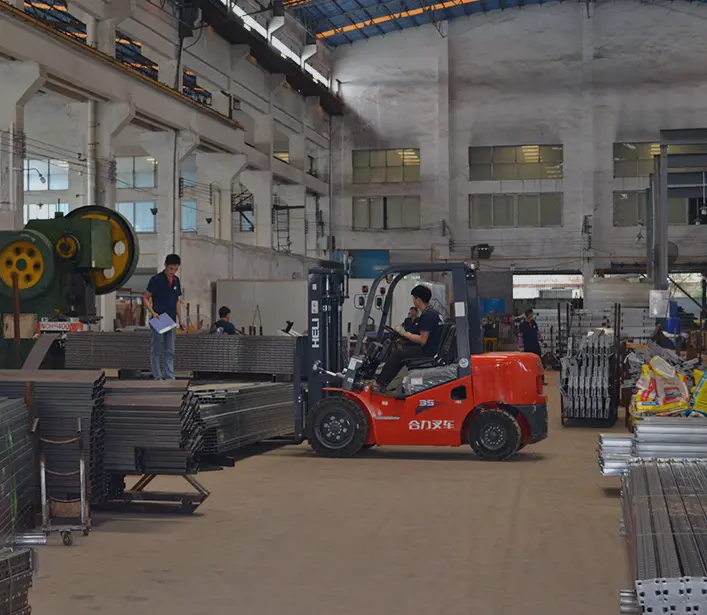
Inside Our 10-Stage Precision Production Sequence
Every cold-rolled profile, corbel arm, and bracing truss undergoes rigorous process control from coil slitting to automated electrostatic curing.
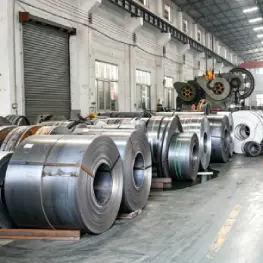
Certified Steel Coils
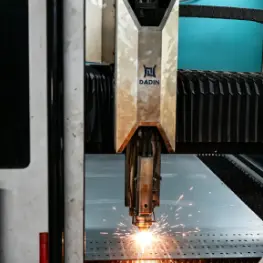
High-Speed Slitting
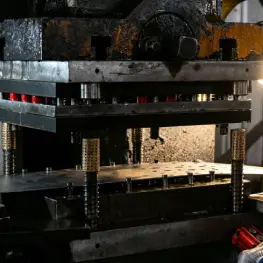
CNC Hole Punching
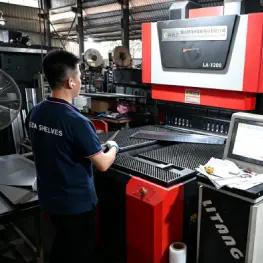
Cold Bending Forming
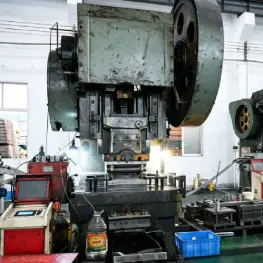
Multi-Roller Profiling
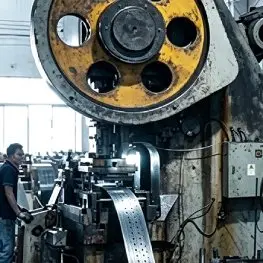
Deburring & Polishing
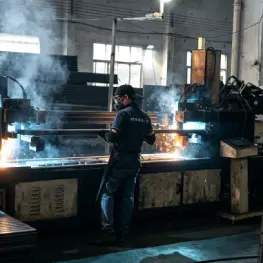
Robotic Arc Welding
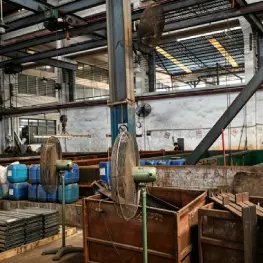
Pickling & Phosphating
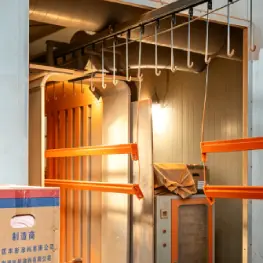
Electrostatic Powder
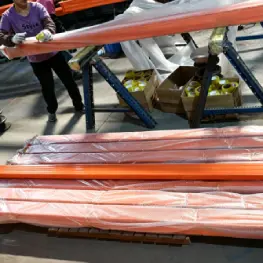
QC & Ocean Bundling
Internationally Accredited Structural Certification
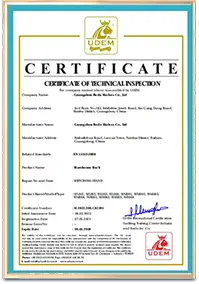
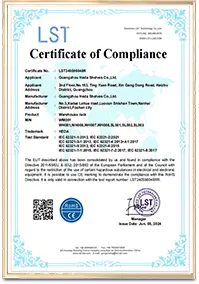
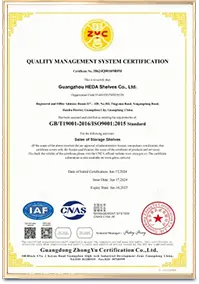
Structural integrity is non-negotiable. Guangzhou Heda Shelves Co., Ltd. holds fully verifiable European CE Marking, ISO 9001:2015 Quality Management certification, and hazardous substance RoHS compliance.
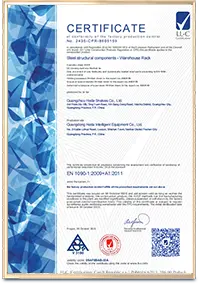
CE Structural Conformity
Certificate: 2435-CPR-8605159
ISO 9001:2015 Registered
Certificate: 18624Q00169R0M
RoHS Directives Compliant
Non-Toxic Heavy Powder Finish
Factory Loading & Mill Tests
Q235B / Q355B Tensile Assured
Frequently Asked Questions on Drive-In Racking Sourcing
Critical engineering, logistical, and structural answers written by Heda Shelves senior structural project engineers to guide overseas buyers through the selection and import process.
How does Drive-In Racking compare with Selective Racking for space utilization?
Selective racking systems require dedicated aisles for every pair of racks, dedicating approximately 60% of warehouse floor footprint to access lanes. Drive-In racking eliminates these operational corridors by allowing forklifts to enter the rack structure directly along continuous pallet rails. This increases cubic storage volume by up to 75% to 85%, making it the premier choice for bulk inventory with few SKUs, such as cold-storage warehouses, beverage bottling plants, and raw material distribution centers.
What forklift clearance and mast requirements are required inside drive-in lanes?
Standard counterbalance and reach forklifts must be checked against lane dimensions. Forklift chassis width must provide a minimum clearance of 75mm to 100mm on each side relative to the pallet guide rails. Furthermore, the overall mast collapsed height and overhead guard width must fit within the upright frame bay opening. We engineer custom structural steel floor guide channels (angle iron or recessed channels) to keep forklift tracks aligned and eliminate frame impact collisions.
How do you calculate structural deflection limits and seismic resilience?
Our structural calculations strictly follow European FEM 10.2.02 (Design of Static Steel Pallet Racking) and EN 15512 specifications. Horizontal rail deflection under full static live load is engineered not to exceed L/200, preventing pallet displacement or binding. For seismic zones (such as Chile, New Zealand, the Philippines, or Mediterranean basins), we integrate heavier Omega-profile column sections (such as 100×70×2.0mm or 120×95×2.5mm), reinforced baseplates, and high-frequency top portal tie trusses.
What surface protection is applied for sub-zero cold chain facilities (-30°C)?
Sub-zero freezer warehouses experience condensation and extreme thermal contraction. Standard paint lines suffer micro-cracking and rust blistering. Heda Shelves applies an automated 7-tank immersion pickling and phosphating pre-treatment sequence, followed by an electrostatically applied zinc-rich epoxy primer and high-polymer TGIC polyester powder coating cured at 180°C (coating thickness 60-90 microns). For extreme marine coastal humidity or brine conditions, hot-dip galvanized components (ISO 1461) are specified.
How do you optimize knock-down packaging to minimize ocean container shipping costs?
International ocean freight is billed on container utilization (FCL). Drive-in upright frames and rails are designed as fully bolted, nested knock-down sub-assemblies. Heavy upright column sections are nested with alternating flanges, wrapped in heavy-duty polyethylene protective films, and secured with heavy steel strapping over wooden dunnage blocks. A single 40ft High Cube (40HQ) container typically accommodates 24 to 26 metric tons of structural steelwork, reducing your landed freight cost per pallet position.
What technical data must buyers supply to receive a 24-hour CAD layout and quote?
To generate an optimized structural layout, our engineering team requires: (1) Warehouse architectural drawings showing clear ceiling height, column grid coordinates, and roll-up door positions; (2) Pallet specifications including overall dimensions (W×D×H), maximum gross load weight, and bottom runner orientation (2-way vs. 4-way entry); (3) Forklift model, maximum lift mast height, turning radius, and outer wheel track width; and (4) Desired throughput rotation (FILO or FIFO).