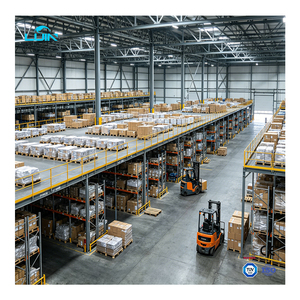
Verified Heavy-Duty Racking & Pallet Systems
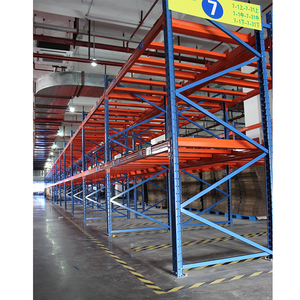
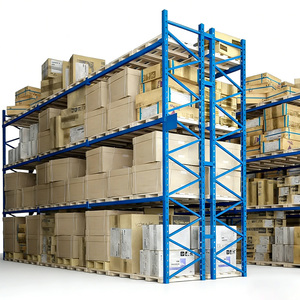
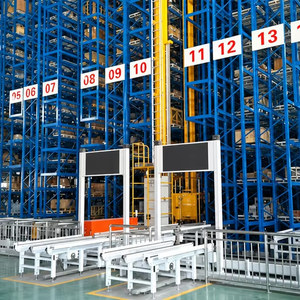
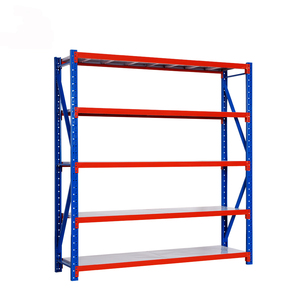
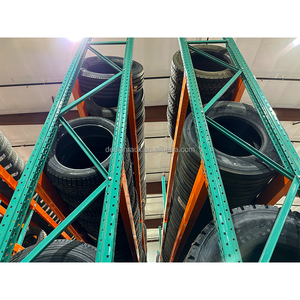
Explore our export-certified modular storage systems designed for industrial fabrication plants, cross-dock distribution hubs, and automated raw-material warehousing.
25+
Years Engineering Excellence
30,000
Tons Monthly Production Scale
10,000+
Turnkey Logistics Installations
120+
Export Destination Markets
Technical Whitepaper & Industrial Analysis
Structural Design Parameters for Heavy-Duty Cantilever & High-Density Storage Racks
In heavy industrial logistics, the management of non-standardized linear inventory—such as extruded aluminum sections, structural steel I-beams, timber bundles, commercial piping, and automotive sheet metal coils—presents distinct structural challenges. Unlike standard uniform pallet distribution systems where vertical loads transfer directly through symmetrical box beams and upright trusses, an industrial cantilever system introduces critical unilateral and bilateral moment arms. The load applied to cantilever arms produces high bending moments transmitted directly to the vertical column mast and anchoring footplate assemblies.
Key Mechanical Calculation: Cantilever mast structural integrity depends on combined axial compression and bending stresses: σ = (N / A) ± (M_x / W_x) ± (M_y / W_y) ≤ [f]. Structural integrity calculations must factor in dynamic deflection coefficients during high-reach crane insertion and forklift impact absorption.
Roll-Formed vs. Hot-Rolled Structural Steel Cantilever Columns
Industrial facility planners must choose between cold roll-formed sheet steel profiles and heavy-duty hot-rolled structural I-beam sections (such as European HEA/HEB or American W-shapes). Roll-formed cantilever assemblies provide economical versatility for medium loads (300 kg to 1,000 kg per arm level), featuring tool-less slot-in pin connections suited for light PVC tubing and crated furniture stock.
For heavy industrial applications handling 1,000 kg to beyond 5,000 kg per arm point load, hot-rolled steel cantilever systems are essential. Hot-rolled profiles offer superior torsion resistance, thick flange dimensions, and higher resistance to side impact by material handling equipment. Solid bolted connections between the heavy base channel and vertical uprights create a rigid moment connection that transfers horizontal braking forces safely into the warehouse floor slab.
Comparative Performance Matrix: Cantilever & Heavy-Duty Structural Profiles
| Engineering Attribute | Cold Roll-Formed Cantilever | Hot-Rolled I-Beam Cantilever | Automated High-Bay AS/RS |
|---|---|---|---|
| Steel Specification | Q235B / Cold-Rolled Carbon Strip | Q355B / ASTM A36 Hot-Rolled Beam | High-Yield Structural Q355D / Alloy |
| Arm Load Bearing Range | 250 kg – 900 kg / Arm | 1,000 kg – 5,500 kg / Arm | 1,000 kg – 3,000 kg / Bay Location |
| Maximum System Height | Up to 6,000 mm | Up to 12,000 mm | Up to 30,000+ mm High Bay |
| Deflection Ratio Standard | 1/180 Under Full Load Limit | 1/250 Stiffened Structural Tolerance | 1/500 High-Precision Dynamic Guide |
| Surface Protection Finishes | Electrostatic Epoxy Powder Coat | Hot-Dip Galvanized / Heavy Epoxy | Anti-Static Zinc Rich Primer + Hybrid Powder |
Corrosion Control and Surface Protection Engineering
Industrial racking systems exported to tropical, coastal, or humid logistics nodes (such as the Gulf of Guinea, East African seaports, or Southeast Asian manufacturing zones) face elevated atmospheric corrosion risks. Standard factory paint lines often fail within 18 months, leading to oxidation around weld seams and mechanical card slots.
Reliable export manufacturing requires a certified 10-stage surface pretreatment cycle: industrial degreasing, ultrasonic water rinsing, pickling to eliminate scale, phosphating to create an anti-corrosion micro-crystalline layer, and electrostatic powder curing at 180°C to 200°C. For sub-zero cold storage facilities and outdoor coastal lumber yards, hot-dip galvanization conforming to ISO 1461 standards provides a zinc coating thickness of 60 to 85 microns, ensuring decades of structural protection.
Future Trends in Heavy-Duty Industrial Material Handling
How automation, warehouse telemetry, and supply chain shifts are reshaping long-span and structural storage systems worldwide.
1. Automated Linear AS/RS Integration
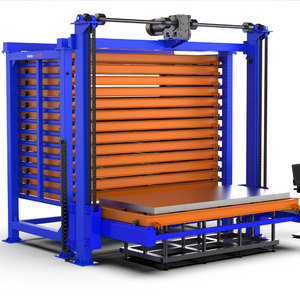
Traditional cantilever setups rely on side-loading counterbalance forklifts or multi-directional reach trucks. Next-generation facilities are adopting automated high-bay cantilever configurations serviced by double-mast Stacker Cranes and autonomous transfer cars, reducing aisle widths from 4.5 meters down to 1.8 meters while tripling cubic volumetric density.
2. Real-Time Structural Telemetry (IoT)
Global procurement teams now specify smart rack arrays equipped with wireless strain gauges and deflection sensors. These micro-sensors monitor live point loading across extended arms and trigger immediate overload alerts via WMS/ERP dashboards, protecting facilities from structural fatigue and dynamic tipping incidents.
3. Standardized Modular Export Bundles
With shipping costs remaining a major landed-cost factor, engineering teams are focusing on interlocking component nesting designs. Knock-down uprights, precision base flanged brackets, and tapered interlocking arms help optimize shipping cube utilization to over 92% in standard 40-foot high-cube containers, substantially lowering freight cost per pallet position.
Guangzhou Heda Shelves Co., Ltd. Manufacturing Infrastructure
Direct-from-factory production, full ISO 9001:2015 tracking, and dedicated engineering consultation for custom warehouse storage projects globally.
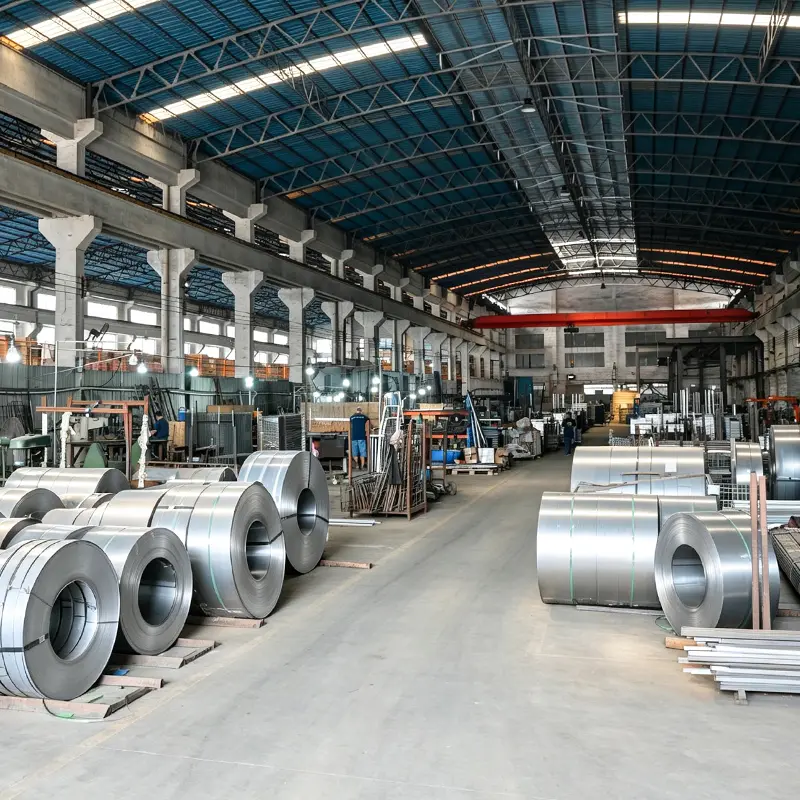
25+ Years Industrial Mastery
Established in 2001, Guangzhou Heda Shelves has grown from a specialized roll-forming shop into a global manufacturer with an expansive 30,000 m² production base.
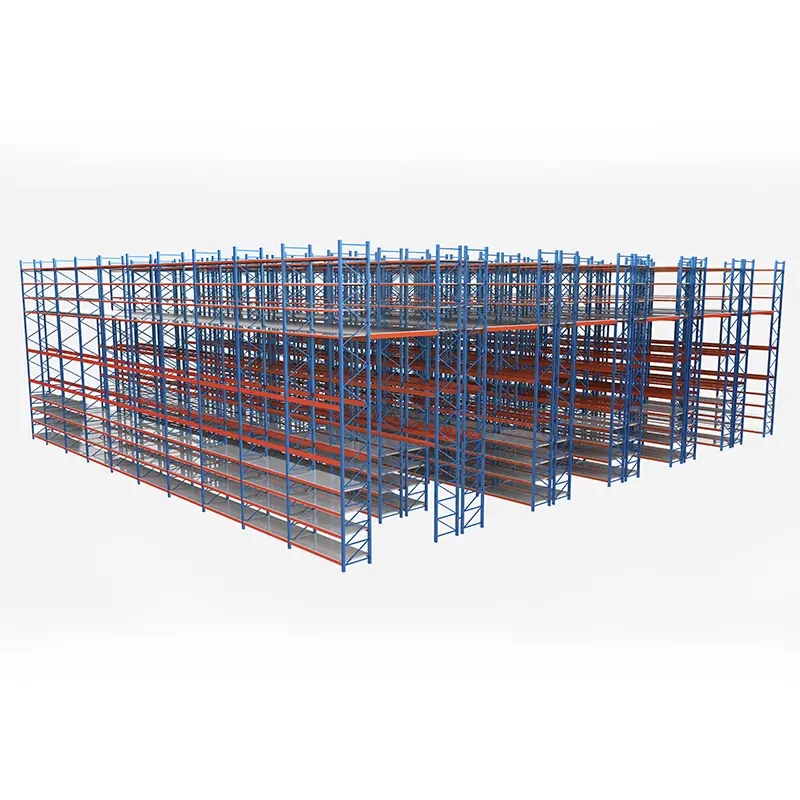
Complimentary 3D & CAD Layouts
Our structural engineers review your clear warehouse height, floor slab load specs, and forklift models to provide custom CAD layouts and 3D FEA stress simulations.
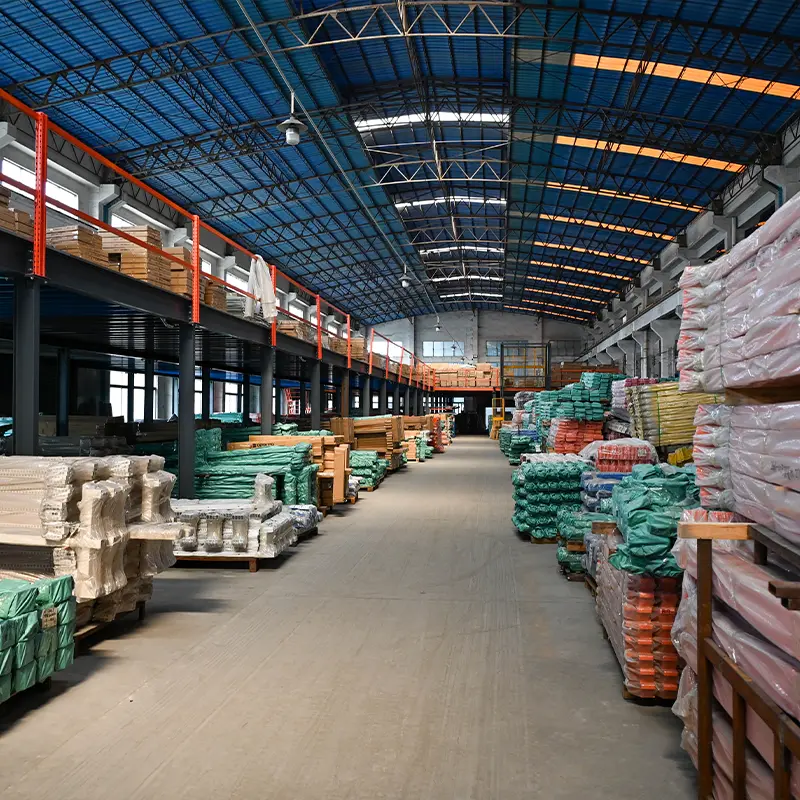
CE & ISO 9001 Certified Quality
Certified under CE No. 2435-CPR-8605159 and ISO 9001:2015 No. 18624Q00169R0M, our structural components undergo strict QC testing before every container release.
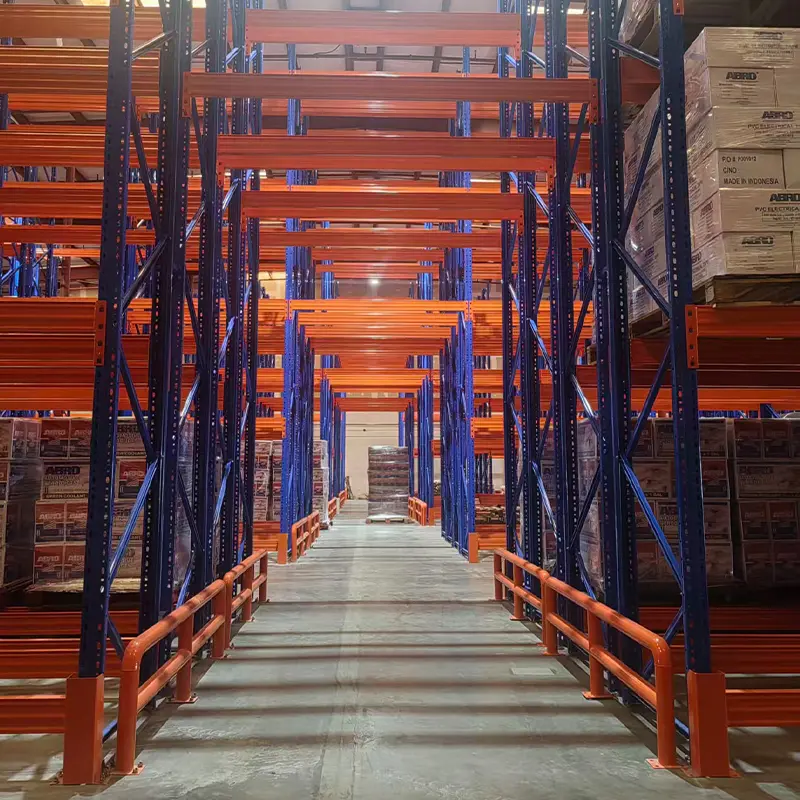
Full OEM & ODM Customization
From custom arm lengths and guide-rail systems to specialized finishes for sub-zero cold rooms or chemical warehouses, systems are built to project requirements.
Industrial Cantilever & Heavy Warehouse Storage FAQ
Direct engineering answers addressing real-world structural loading, shipping logistics, customs documentation, and field assembly.
How is the maximum load capacity calculated for long-span cantilever arms?
Cantilever load ratings are based on a Uniformly Distributed Load (UDL) across the full length of each arm pair. A pair of arms rated at 2,000 kg requires the payload to be evenly distributed across both support points. Concentrating point loads at the outer tips creates a severe leverage moment that can cause plastic deformation at the connection pin. For point loading or uneven bundles, contact our engineering team to run custom Finite Element Analysis (FEA) and specify reinforced profiles.
What warehouse floor slab specifications are required for heavy cantilever racking?
Heavy-duty cantilever columns concentrate high vertical point loads and overturning bending moments onto relatively small anchor footprints. We typically recommend a reinforced concrete slab (minimum C25/30 or 4,000 PSI) with a minimum depth of 150 mm to 250 mm, free of expansion joints along anchor lines. For high-bay hot-rolled installations over 8 meters, soil compaction data and core drill tests may be necessary to size the anchor bolts and baseplate spreader channels properly.
How does containerized packing prevent component damage on long sea freight routes?
Components are packaged into nested bundles using protective corrugated dunnage, high-tensile steel strapping, and thermal poly-wrap. Base channels and column uprights are loaded on heavy-duty timber skids to simplify forklift unloading at destination ports. Small accessories such as pins, safety clips, anchor bolts, and bracing hardware are boxed and palletized with moisture-absorbing desiccant packs to guard against container condensation during marine transport.
Can mechanical racking function reliably without grid electricity?
Yes. Core structural systems—including selective pallet racks, heavy-duty cantilever racks, drive-in systems, push-back carts, and gravity flow lanes—are fully mechanical and operate independently of electrical power. In facilities using semi-automated radio shuttles, we provide backup battery sets configured to match local on-site generator or solar power schedules.
What technical layout documents are provided prior to order confirmation?
Our engineering department supplies complete AutoCAD floor layout drawings, 3D clearance schematics, structural load calculation sheets, and container stowage plans. These drawings detail column grid spacings, forklift turn radiuses, and anchor positions so your operations and safety teams can verify clear aisle dimensions and municipal compliance before manufacturing begins.