Engineered Small Pallet Racking Systems for Global Supply Chains
Discover our high-precision, small footprint pallet storage systems. Manufactured with high-yield Q235B/Q355B certified structural steel, each configuration balances structural rigidity, low-aisle clearance, and maximum cubic space efficiency.
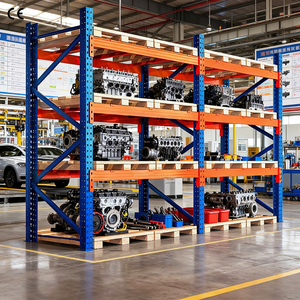
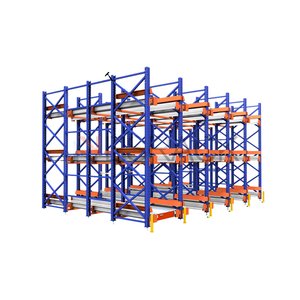
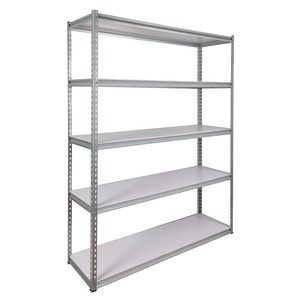
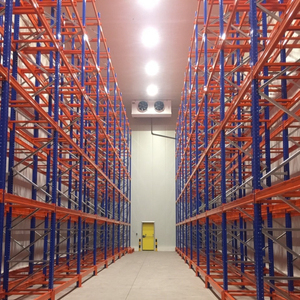
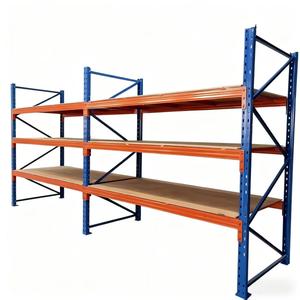
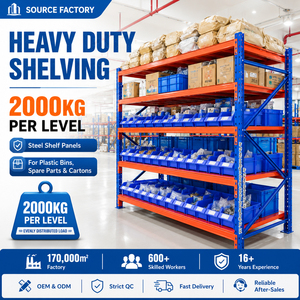
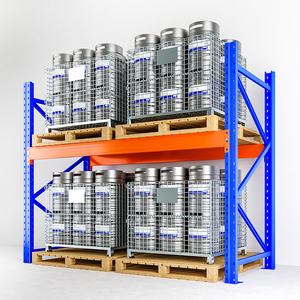
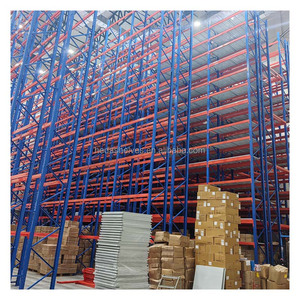
Structural Mechanics, Metallurgy & Safety Factors in Small Pallet Racking
A comprehensive engineering breakdown for warehouse managers, operations directors, and procurement executives evaluating international pallet racking manufacturers.
Cold-Rolled Metallurgy & Upright Geometry
Small pallet racking differs critically from oversized heavy racking in structural dynamics. Manufactured from certified Q235B and high-tensile Q355B coil steel, our small pallet racking uprights utilize multi-bend omega (Ω) profiles. This continuous roll-forming engineering introduces up to 12 work-hardened corners along the column perimeter, multiplying the structural radius of gyration. Even under compact upright depths (800mm to 1000mm) with nominal steel thicknesses of 1.5mm to 2.0mm, the upright achieves extraordinary torsional rigidity and resistance to lateral buckling under asymmetric loading.
Interlocking Connector Physics & Deflection
Our beam-to-column connections feature precision-stamped 3-prong and 4-prong claw connectors welded to dual C-profile step beams or heavy closed-box sections. The structural interface relies on cold-formed mechanical interlocking coupled with spring-steel safety locks resisting upward dislodgement forces exceeding 5,000N. In strict accordance with EN 15512 specifications, our beam profiles are calculated to limit static vertical deflection under maximum allowable uniformly distributed loads (UDL) to less than 1/200th of the clear span length (L/200).
Surface Pretreatment & Anti-Corrosion
The operational lifespan of imported pallet racking depends fundamentally on surface chemical passivization before coating. In contrast to uncertified exporters who spray directly over mill oil and scale, our in-house finishing line enforces an automated 7-stage chemical pretreatment: acid pickling to eliminate iron oxides, neutral water rinses, zinc phosphating to create a dense micro-crystalline conversion layer, and deionized passivation. The steel then receives an electrostatic deposition of solvent-free epoxy-polyester hybrid powder cured at 200°C, achieving cross-hatch adhesion meeting ISO 2409 Class 0.
| Racking Architecture | Typical Beam Span | Rated Capacity / Tier | Floor Footprint Ratio | Optimal Forklift Interface | Export Compliance |
|---|---|---|---|---|---|
| Selective Small Pallet Rack | 1350mm - 2700mm | 500kg - 2,500kg | Moderate (40-45% floor usage) | Counterbalance, Reach Truck, Stacker | EN 15512 / ISO 9001 |
| Drive-In Compact Rack | 1100mm per pallet lane | 1,000kg - 1,500kg | Maximum (65-75% floor usage) | Narrow-Chassis Counterbalance | CE / FEM 10.2.02 |
| Radio Shuttle Micro-Bay | 1200mm - 1400mm | 1,000kg - 2,000kg | High-Density (75-85% floor usage) | Standard Forklift (Rack Entry Excluded) | CE Machinery / RoHS |
| Multi-Tier Shelving Rack | 1000mm - 2000mm | 300kg - 800kg | Vertical Max (200-300% floor gain) | Manual Cart / Hand Picking Walkway | EN 15635 Compliant |
| Stacking Modular Stillage | 1000mm - 1500mm | 800kg - 1,500kg | Dynamic Temporary Storage | Standard Forklift / Pallet Jack | ISO 9001:2015 |
Enterprise Scale, Direct Factory Control & Global Export Governance
Founded in 2001, Guangzhou Heda Shelves Co., Ltd. has developed from an engineering-driven racking fabricator into one of China's primary export manufacturers of heavy and compact pallet racking solutions. Spanning a 30,000 square meter standardized production hub in Guangzhou, our integrated facility handles every stage of cold-forming, punching, welding, and surface finishing under one roof.
With an active monthly output capacity exceeding 30,000 metric tons, we provide international EPC contractors, global logistics providers, and regional racking distributors with direct-from-mill pricing, verified metallurgy certificates, and fully container-optimized knockdown export packaging.
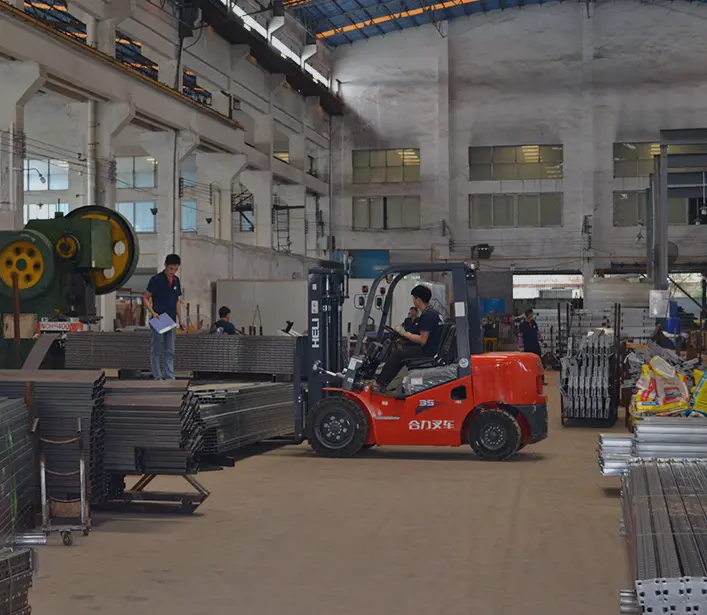
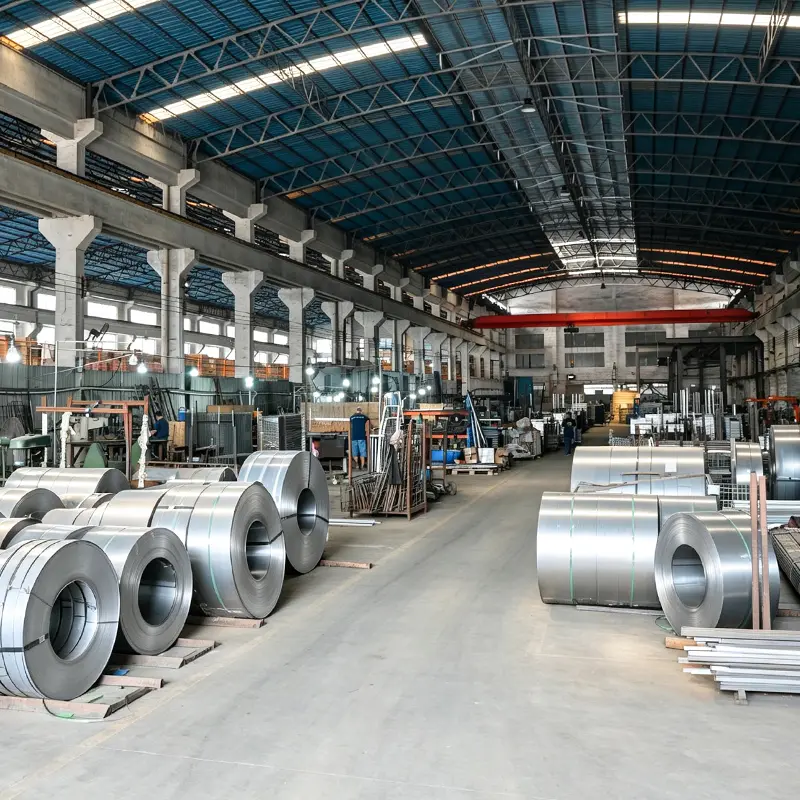
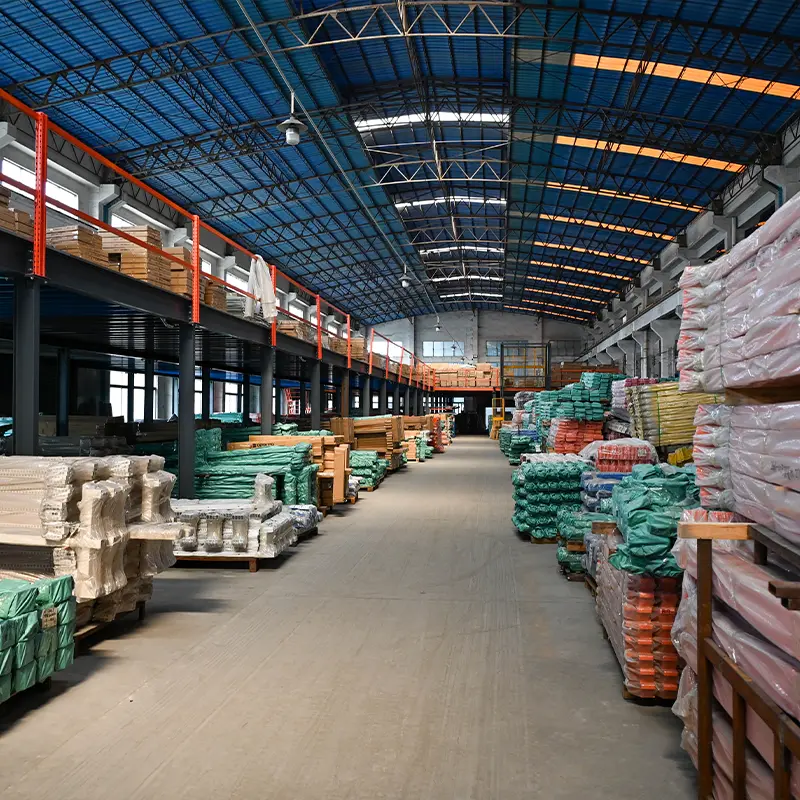
10-Stage High-Precision Manufacturing Flow
From prime raw steel coils to sea-freight knockdown packing, our integrated manufacturing lines are strictly supervised under ISO 9001:2015 protocols to prevent dimensional variance and weld fatigue.
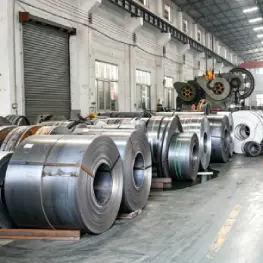
Prime Steel Raw Materials
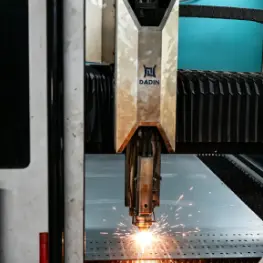
Precision Slitting & Cutting
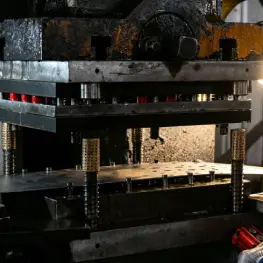
Automated Column Punching
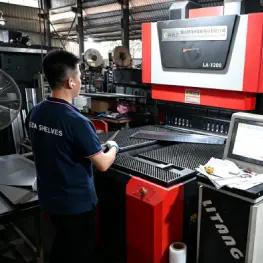
Cold-Bending & Roll Forming
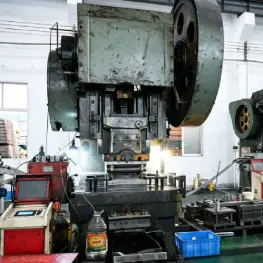
Profile Calibration
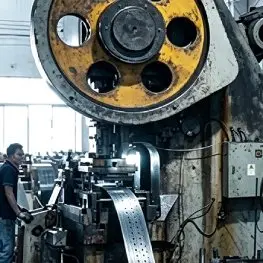
Deburring & Surface Polishing
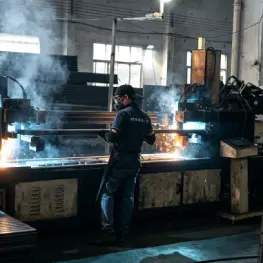
Robotic Precision Welding
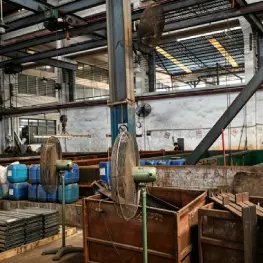
Chemical Pickling & Phosphating
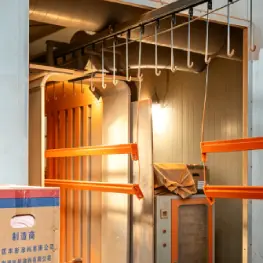
Electrostatic Powder Coating
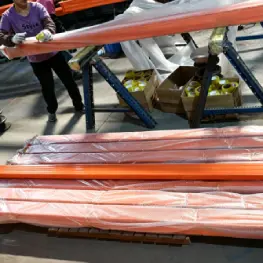
Load Testing & Sea Packing
Future Procurement Trends in Small Pallet Racking Systems
Strategic analysis on shifts in material handling, urban logistics distribution, automation readiness, and supply chain decarbonization through 2030.
Urban Micro-Fulfillment Decentralization
Rapid escalation of last-mile delivery standards is forcing e-commerce operators and retail distributors to transition from monolithic out-of-town megahubs to localized urban micro-fulfillment nodes. These facilities typically operate within restricted commercial ceiling heights (under 5.5 meters) and irregular building footprints. Consequently, procurement is shifting decisively toward modular, highly adjustable small pallet racking with low bay heights (2.2m to 4m) that integrate with automated carton-flow shelves and order picking mezzanines on the upper tiers.
AMR & AGV Floor Interface Readiness
The standard interface between manual forklift operators and pallet racks is rapidly modernizing. Warehouses are increasingly deploying Autonomous Mobile Robots (AMRs) and compact AGV reach stackers. For small pallet racking exporters, this requires manufacturing uprights and baseplates with sub-millimeter anchor tolerances. Base bottom beam clearances and floor guide angles must be precisely modeled to prevent sensor blindness on robotic scanners while allowing high-speed pallet extraction in tight 2-meter aisles.
Seismic Engineering & High-Yield Metallurgy
Structural reliability expectations among global industrial insurers have tightened. Modern small pallet racking procurement increasingly mandates site-specific dynamic FEA (Finite Element Analysis) simulating seismic response spectra. Rather than simply using thick, heavy gauge mild steel that escalates ocean freight costs, advanced exporters are adopting micro-alloyed, high-yield cold-rolled steel grades. This optimizes structural dead-weight by 18% while simultaneously raising elastic yield stress thresholds under cyclic horizontal seismic forces.
Ocean Freight & Knock-Down Packing Efficiency
Volatile transoceanic container shipping rates have turned logistics cubic packaging into a critical procurement parameter. Exporters relying on pre-welded frames consume excessive cubic container volume (CBM), leading to exorbitant landed costs per pallet location. Leading exporters now ship knock-down bolted upright frames, using nested packaging and computerized container load simulations. By loading up to 26 metric tons into a single 40HQ container, landed freight overhead is reduced by up to 35% across transatlantic and transpacific trade lanes.
Hybrid Mezzanine Racking Integrations
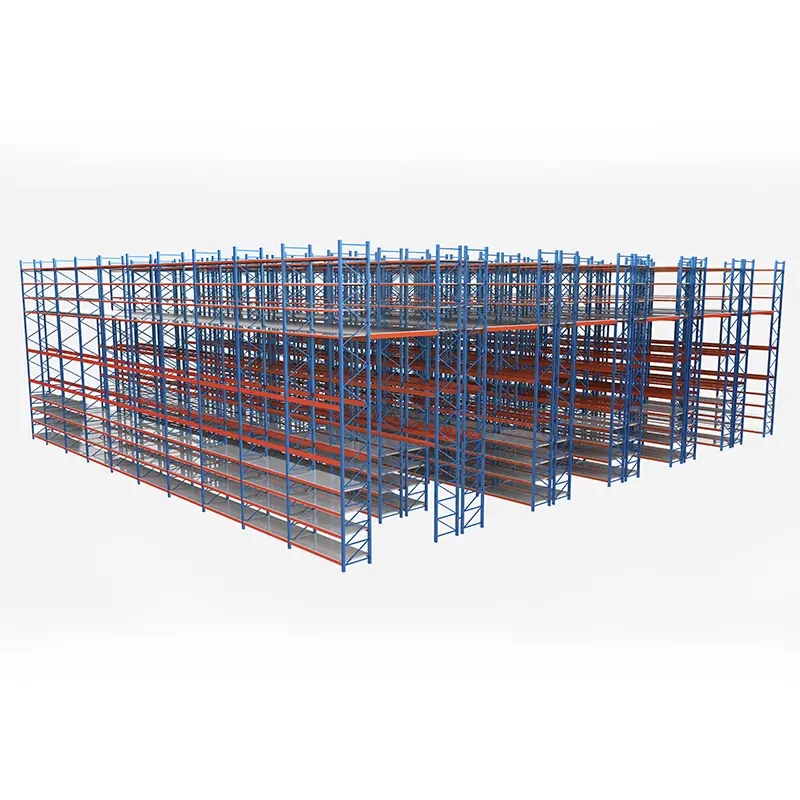
Where land acquisition costs prohibit horizontal footprint expansion, warehouse engineers are heavily specifying rack-supported multi-tier platforms. In these hybrid systems, standard small pallet racking uprights double as vertical structural columns carrying intermediate mezzanine walkways, heavy steel bar gratings, and overhead catwalks. This dual-purpose architecture maximizes vertical airspace utilization in facilities with clear heights of 4.5m to 7m without requiring separate structural building permits.
Decarbonized Steel & Eco-Compliant Powders
Corporate ESG mandates in North America and the European Union have introduced stringent carbon accounting into supply chain procurement. Racking exporters must verify non-toxic, TGIC-free polyester powder finishes certified compliant with RoHS Directive 2011/65/EU and REACH standards. Exporters who provide documented traceability on scrap recycling rates and electric arc furnace (EAF) steel sourcing gain a substantial competitive advantage in B2B municipal and corporate enterprise tenders.
Frequently Asked Questions on Small Pallet Racking Sourcing
Clear, engineering-backed answers addressing structural design, floor slab requirements, custom fabrication, and international freight clearances.
What defines "Small Pallet Racking" compared to conventional heavy industrial racking?
What warehouse concrete slab specifications are required to safely anchor small pallet racking?
How do you prevent beam deflection and ensure system safety under continuous dynamic loading?
What international quality certifications should international buyers verify before placing orders?
How does knockdown packaging reduce international ocean freight expenses?
Can small pallet racking be customized for odd pallet sizes, drums, or manual carton picking?
What finish options do you provide for humid tropical, coastal, or sub-zero cold room environments?
What technical information is required to receive a free 3D CAD layout and quotation?
Plan Your Warehouse with Certified Racking Engineers
Send us your warehouse dimensions and cargo requirements. Our structural engineering team will prepare an optimized 2D CAD architectural plan, 3D spatial rendering, and complete structural load calculation within 24 hours — completely free of charge.
- Direct Factory OEM Pricing
- CE & ISO 9001:2015 Verified
- Fast Global Export Packing
- Free 3D Layout & Static Load Audits
Start Your Storage Project
Connect directly with our engineering sales specialists for layout design and direct factory quotation.
Send an InquiryNo obligation. 24-hour turnaround guaranteed.