High-Performance Chemical Storage Racking System Configurations
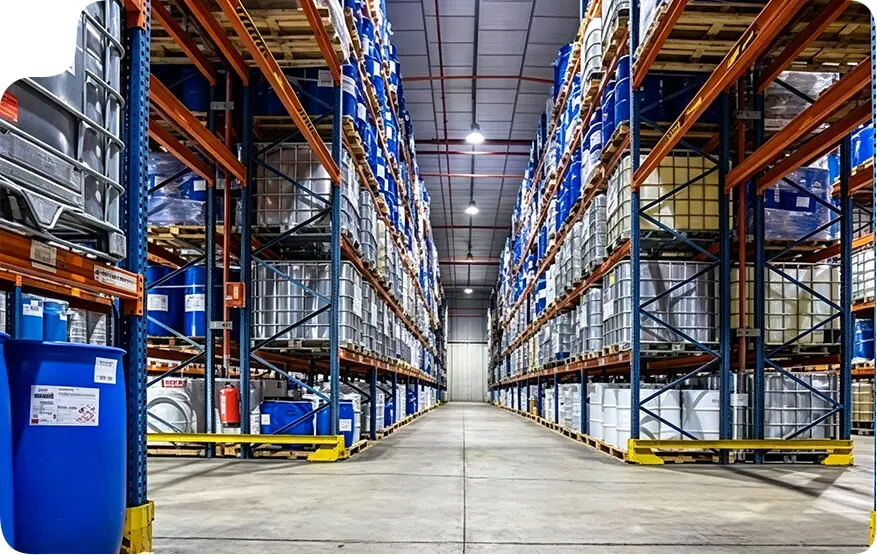
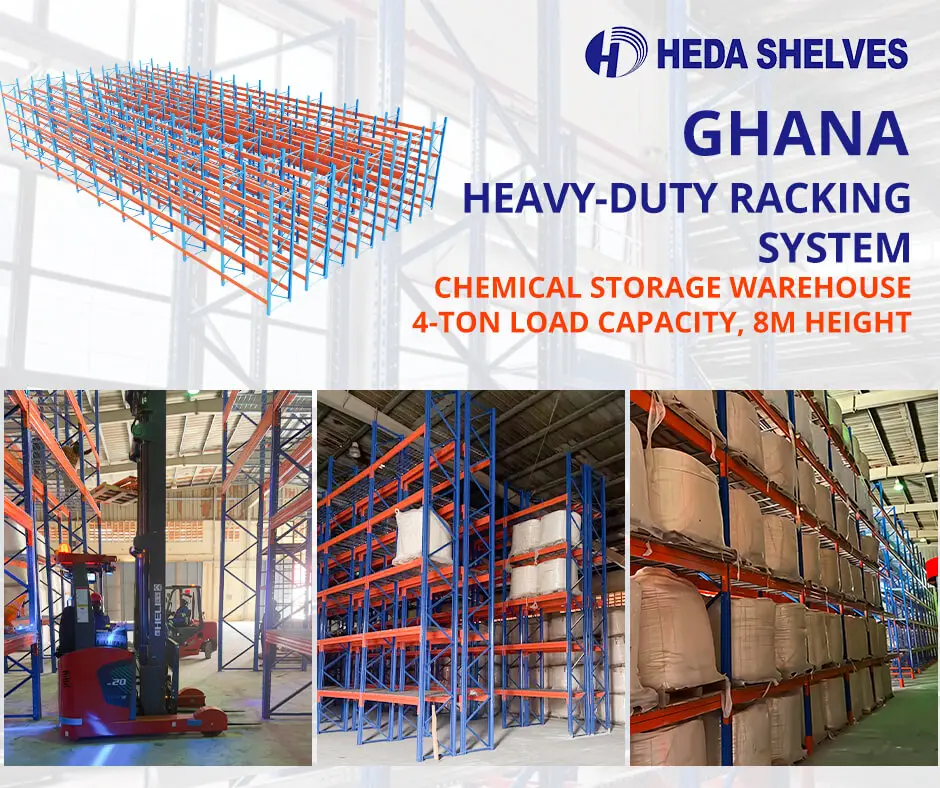
Storing corrosive chemicals, toxic substances, paints, lubricants, and flammable liquids demands specialized structural mechanics. Unlike commodity storage, a certified chemical storage racking system addresses corrosive environmental vapors, intense point loading from heavy liquids, and strict secondary containment compliance. Below are the recommended industrial rack configurations engineered by Guangzhou Heda Shelves Co., Ltd.
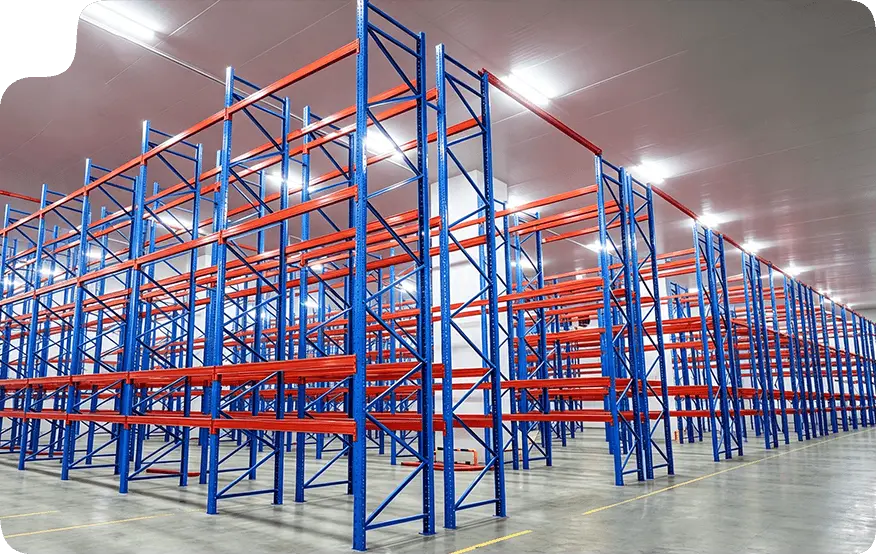
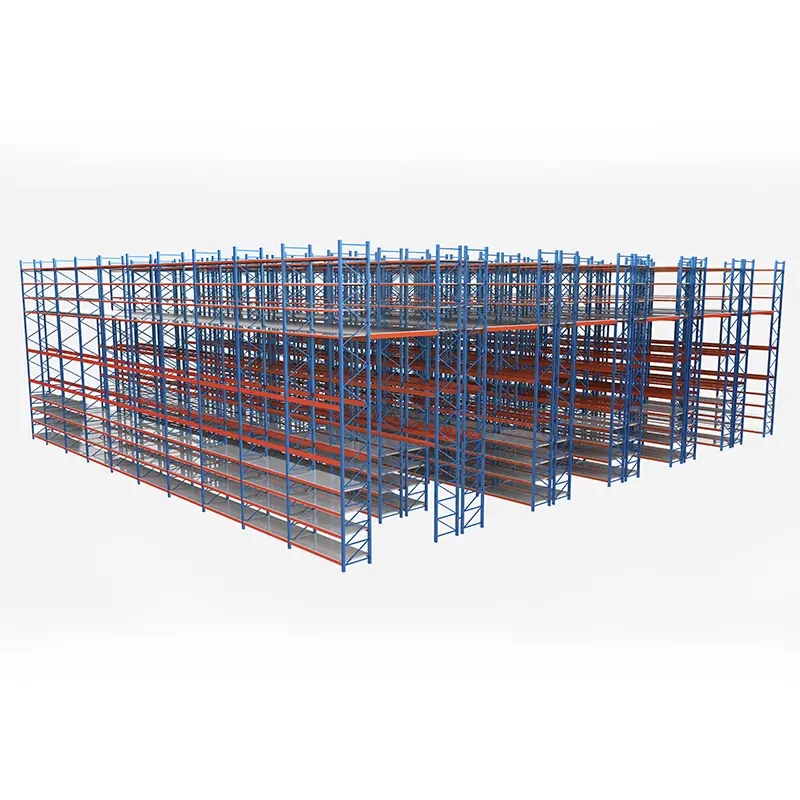
Optimized for varied chemical SKUs requiring immediate selectivity. Fitted with heavy-duty box beams, drop-in catch trays, and integrated drum saddles for secure storage of flammable and toxic fluids.
Capacity: 1,000 to 4,500 kg/level
Integrated sump spill containment pallets
Selective Chemical Pallet Racking
Automated Density
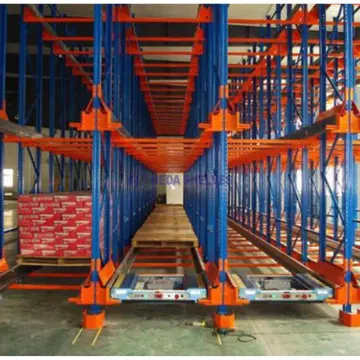
High-density automated storage where explosion-proof (ATEX compliant) semi-automated shuttles move pallets in deep lanes. Keeps forklift operators completely outside hazardous chemical storage aisles.
LIFO / FIFO high-volume chemical lanes
Minimizes forklift collision hazards
Radio Shuttle Chemical Racking
Batch Storage
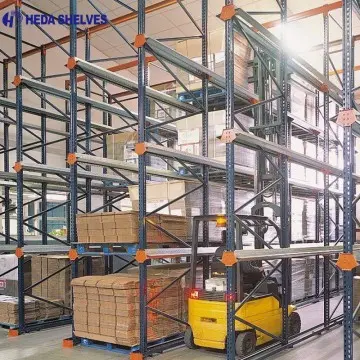
Engineered for high-volume, single-SKU raw materials such as resin totes, agricultural fertilizers, and base oils. Maximizes cubic volume inside temperature-controlled and spark-proof storage zones.
Continuous pallet support rails
Hot-dip galvanized anti-corrosion options
Drive-In Chemical Racks
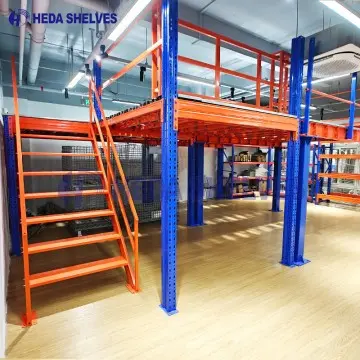
Multi-Tier Picking
Heavy-duty structural platforms configured with explosion-relief decking, liquid-tight barriers, and perimeter kickplates for batch formulating, testing, and small packaged reagent handling.
Future Chemical Storage Racking System Procurement Trends
Procuring a chemical storage racking system in today's tightly regulated global landscape has moved far beyond comparing steel prices per metric ton. As corporate environmental, social, and governance (ESG) standards tighten and workplace safety audits intensify, procurement leaders are shifting toward smart, resilient, and life-cycle-cost-effective storage infrastructure.
Standardized Secondary Containment Integration
Procurement directors now mandate integrated secondary spill containment within the rack's primary structural layout rather than purchasing aftermarket catch trays. Standardizing EPA 40 CFR 264.175 and European bund volume regulations at the factory design stage prevents costly retrofits, optimizes beam clearance, and eliminates regulatory non-compliance fines.
Life-Cycle Protective Coatings over Low Initial Cost
Buyers are eliminating standard thin paint finishes in favor of multi-stage inorganic zinc, thermoplastic coatings, and structural Hot-Dip Galvanization (EN ISO 1461). Chemical fumes, acid splashes, and coastal humidity cause premature structural oxidation; procuring premium coatings lowers total cost of ownership by eliminating operational downtime and beam replacements.
Dynamic IBC & Liquid Surge Engineering
Global procurement teams prioritize vendors capable of delivering comprehensive Finite Element Method (FEM) analysis for liquid storage. Unlike static unit loads, liquid filled in 1000L IBC totes sloshes during seismic events or forklift impacts. Structural specifications now require enhanced frame torsion resistance and increased safety factor margins (exceeding 1.95).
Supply Chain Decoupling & Modular Readiness
Chemical logistics hubs are sourcing modular racking frameworks engineered with universal hole pitches (such as 50mm and 75mm patterns). This gives facilities the agility to convert conventional pallet racking bays into drum barrel cradles, IBC support bays, or carton-flow pick faces without having to replace upright columns or welded main structures.
Next-Generation Technology & Development Trends in Chemical Storage Racking
The convergence of Industry 4.0 automation, strict international chemical compliance, and carbon footprint reduction is transforming chemical warehouse operations worldwide. Discover how advanced chemical storage racking systems are evolving.
Intrinsically Safe ATEX Automation
As human labor in hazardous Class 1 Div 1 and Div 2 chemical environments is phased out, racking systems are engineered for explosion-proof Automated Storage and Retrieval Systems (ASRS). Structural profiles incorporate anti-static grounding cables, non-sparking polyurethane roller channels, and high-precision tolerances for robotic handling of flammables.
IoT Stress & Leakage Telemetry
Modern chemical racks are integrating embedded smart sensors. Fiber-optic strain gauges on structural beams register micro-deflections from overloaded liquid containers in real time, while floor-level chemical vapor and liquid conductivity sensors instantly alert automated building safety systems in the event of hazardous breaches.
Eco-Resilient Surface Passivation
Traditional hazardous solvent-based protective painting is giving way to eco-friendly closed-loop pickling and nano-ceramic silane conversion coatings. Guangzhou Heda Shelves Co., Ltd. uses high-durability electrostatic powder coating processes that eliminate VOC emissions while dramatically boosting salt-spray and acid vapor resistance across high-load structural steel members.
Why Choose Guangzhou Heda Shelves Co., Ltd. for Your Chemical Racking
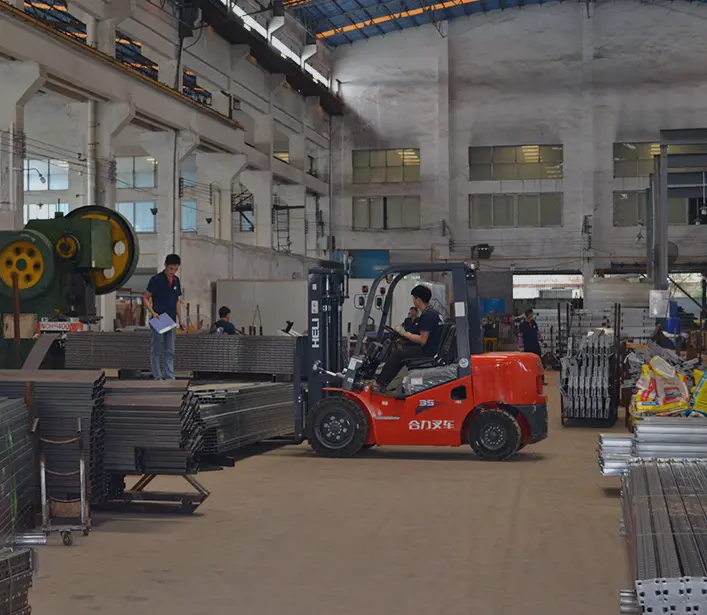
Founded in 2001, Guangzhou Heda Shelves Co., Ltd. has established itself as an authoritative global manufacturer of high-density warehouse storage systems. Operating out of our expansive 30,000 square meter factory in Guangzhou, China, we combine advanced cold-roll forming lines, automated column punching, robotic welding, and professional pickling-phosphating surface protection under strict internal quality management.
Engineering chemical storage racking systems requires specialized structural discipline. Our team of over 300 experienced engineers and skilled technicians understands the complex mechanics of point loading, liquid sloshing dynamics, hazardous material segregation (NFPA 30, OSHA 1910.106), and anti-corrosive chemical coatings. We provide global logistics operators, mining enterprises, and chemical processors with verified structural stability, free customized 3D CAD engineering designs, and complete lifecycle reliability.
Trusted by industrial, chemical, and logistics enterprises worldwide
What structural finishes protect chemical storage racking systems against aggressive acid and alkali vapors?
Guangzhou Heda Shelves Co., Ltd. applies an intensive multi-stage surface treatment protocol starting with comprehensive chemical pickling and phosphating to eliminate micro-impurities and form an inorganic conversion coat. Depending on the chemical classes stored, structural components are coated with high-build thermosetting epoxy-polyester hybrid powder coatings (minimum 70-90 microns) or undergo Hot-Dip Galvanization (HDG) per EN ISO 1461, ensuring resistance to aggressive atmospheric humidity, solvents, and corrosive spills.
How does chemical storage racking incorporate secondary spill containment regulations like EPA 40 CFR 264.175?
To satisfy international environmental compliance, our engineering layouts integrate custom secondary containment sump pallets directly beneath beam levels or floor tiers. These leak-proof catch basins are sized to capture at least 10% of the total liquid volume stored or 100% of the largest individual container (whichever is greater), coupled with chemical-resistant polyethylene or galvanized grating liners to isolate hazardous leaks before they reach warehouse foundations.
Can standard selective pallet racking handle heavy 1000L IBC totes and stacked 55-gallon chemical drums safely?
Standard selective racking requires engineered structural upgrades for liquid containers due to dynamic liquid sloshing and extreme point-load concentration. For IBC totes (weighing 1,200kg to 1,500kg each) and chemical drums, Guangzhou Heda Shelves Co., Ltd. designs heavy-duty boxed-step beams, welded pallet support crossbars, reinforced drum cradles, and heavy-gauge wire mesh or solid steel drop-in decking that eliminates beam deflection and localized failure points.
What information is essential to engineer an OSHA and NFPA compliant chemical warehouse racking layout?
Our engineering department requires: detailed Safety Data Sheets (SDS) identifying chemical hazard classifications (flammable, toxic, corrosive, reactive), container packaging types (steel/plastic 55-gallon drums, IBC totes, jerry cans), warehouse floor dimensions and overhead clearance heights, concrete slab strength, seismic zone ratings, and existing fire suppression sprinkler arrangements to ensure proper flue space.
What international structural and quality certifications back Guangzhou Heda Shelves Co., Ltd. storage systems?
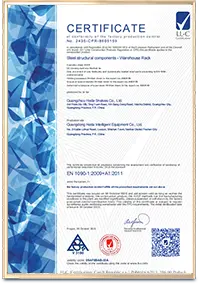
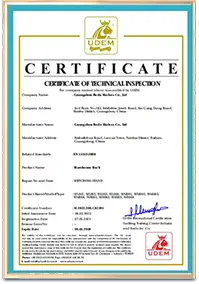
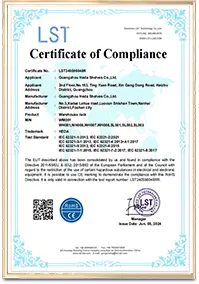
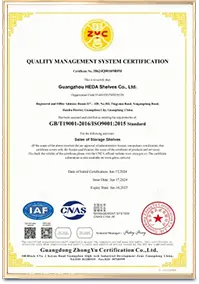
All our racking installations adhere strictly to international manufacturing standards, verified under European CE Certification No. 2435-CPR-8605159, ISO 9001:2015 Quality Management System Certification No. 18624Q00169R0M (valid through June 2027), and international RoHS compliance protocols.
Custom Chemical Storage Engineering Ensure worker safety, spill compliance, and maximum warehouse storage density with our factory-direct technical consultations.
Direct Factory Engineering
Request Your Custom Chemical Storage Racking System Plan
Provide our structural team with your warehouse parameters and chemical storage requirements to receive an engineered CAD layout, load calculations, and containment design within 24 hours.

 100% Direct Access