Engineered Industrial Storage & Pallet Flow Racking
Precision-fabricated cold-rolled steel racking systems designed for rapid throughput, high load density, and seamless material handling integration.
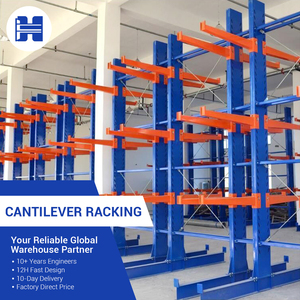
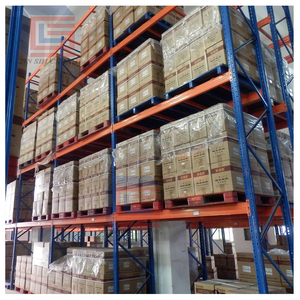
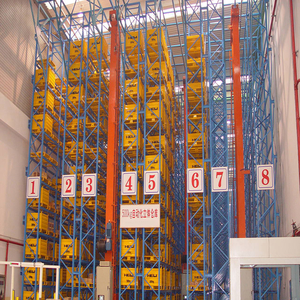
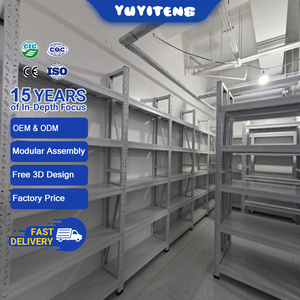
High-Performance Pallet Flow Racking for East Africa's Logistics Gateway
In the rapidly evolving landscape of Kenyan industrialization, warehouse footprint efficiency has transformed from a tactical convenience into a core corporate strategy. Operating as a pivotal entry point for East and Central Africa through the Port of Mombasa and the Standard Gauge Railway (SGR) corridor connecting Nairobi, Naivasha, and onward to Uganda and Rwanda, Kenya's storage facilities face unprecedented density requirements. Pallet Flow Racking (commonly termed Gravity Flow Racking) stands as the premier mechanical solution to reconcile extreme volumetric storage density with high-speed, strictly enforced First-In, First-Out (FIFO) material flows.
Manufactured with high-tensile certified steel and customized OEM dynamic roller beds, our pallet flow systems convert horizontal transit aisles into deep, continuous storage lanes. Pallets are introduced at the higher charging side and smoothly travel down a calibrated gradient—typically pitched between 3% and 4%—under controlled gravitational force toward the retrieval face. By segregating the loading and offloading operations into separate aisles, warehouse operators eliminate intra-facility traffic congestion, radically lower forklift cycle times, and preserve inventory freshness for time-sensitive FMCG, agricultural produce, and pharmaceutical inventories.
Engineered for Extreme Loads and Zero-Downtime Operations
Unlike conventional static selective racks, pallet flow systems integrate dynamic components including centrifugal brake rollers, heavy-duty separator mechanisms, and entry guide flanges. Our engineering adheres rigorously to EN 15512 and FEM industrial rack design codes, ensuring predictable dynamic deceleration regardless of pallet quality or environmental temperature swings across East Africa.
Mission-Critical Use Cases in Kenya's Industrial Nodes
Tailored structural configurations addressing distinct supply chain challenges from Mombasa's maritime corridor to Nairobi's high-velocity logistics hubs.
FMCG & Agro-Export Hubs (Nairobi & Naivasha)
Kenya is Africa’s leading cut-flower exporter and a key agricultural exporter of tea, avocados, and fresh produce. In cold-chain distribution centers situated near Jomo Kenyatta International Airport (JKIA) and Naivasha inland dry ports, pallet flow racks maximize cold-room cubic volume by up to 60%. Strict batch-based FIFO ensures perishable lots are expedited before shelf-life deterioration.
Mombasa Freight Consolidation & Port Logistics
Importers along the Kilindini Harbour and Changamwe warehousing corridors deal with high container demurrage penalties and swift vessel turnarounds. Pallet flow systems serve as heavy-capacity staging buffers between container destuffing and long-haul dispatch, allowing multi-tier staging without tying down square meters in manual maneuvering paths.
Pharmaceutical & Medical Supplies (KEMSA & Private 3PLs)
Ensuring compliance with international Good Distribution Practices (GDP) requires absolute traceability and lot-controlled dispatch. Gravity flow channels systematically eliminate human picking selection errors by mechanically enforcing first-pallet-in, first-pallet-out, guaranteeing strict batch tracking for critical medical and pharmaceutical inventory.
Macro Logistics Trends Driving Kenya's Racking Modernization
The Kenyan warehousing sector is experiencing a structural shift from informal, floor-stacked godowns to Grade-A logistics infrastructure. Developments across industrial parks like Tilisi, Tatu City, and Africa Logistics Properties (ALP) in Ruiru have established higher ceiling clearances (typically 11m to 14.5m), necessitating high-bay racking systems capable of exploiting vertical clearance. Pallet flow racking aligns perfectly with this transformation, offering distinct competitive advantages:
1. Soaring Real Estate & Construction Overhead: Prime land values in Nairobi's industrial arteries (Mombasa Road, Baba Dogo, and Outer Ring Road) make expanding warehouse footprints economically challenging. Upgrading from static floor storage to high-density pallet flow systems increases storage capacity by up to 180% on the identical floor footprint, radically lowering the land cost component per pallet position.
2. Resilience Against Unstable Power Influx: While fully automated crane-based storage systems (such as high-bay ASRS) offer high capacity, their reliance on steady three-phase power grids introduces operational risk during regional brownouts. Gravity pallet flow racking is inherently kinetic and mechanical: after pallets are placed onto lanes via conventional counterbalanced or reach forklifts, gravity operates completely cost-free and without electrical interruptions.
3. Standardized Pallet Handling Across the East African Community (EAC): With increased cross-border trade under the African Continental Free Trade Area (AfCFTA), standardized 1200x1000mm and 1200x800mm EUR pallets are becoming standard. Our OEM configurations support split-roller paths and reinforced center guides that accommodate wooden, plastic, and perimeter-base pallets seamlessly.
Over Two Decades of Structural Manufacturing Rigor
Direct manufacturer accountability from cold-coil rolling to on-site assembly supervision across African logistics nodes.
Certified Structural Compliance
Certified under CE Certification (No. 2435-CPR-8605159) and ISO 9001:2015 (Certificate No. 18624Q00169R0M). Every batch undergoes ultrasonic weld checks, material tensile testing, and electrostatic coating adhesion verification prior to container stuffing.
End-to-End OEM / ODM Customization
From custom beam step profiles, heavy upright column sections (up to 120mm profile width), bespoke pitch configurations, to roller surface coatings (galvanized steel vs. PU rubberized sleeves), every pallet flow lane is optimized for your target unit load specifications.
Free Layout Design & Calculation
Our senior structural civil engineers generate complete 2D CAD architectural plans, full-color 3D axonometric renderings, and finite element structural load evaluations within 24 hours of receiving site dimensions, complete with no financial commitment.
Frequently Asked Questions by Kenyan Logistics Buyers
Essential guidance addressing shipping customs, climatic protection, local site requirements, and mechanical parameters.
What are the sea freight logistics and customs clearance procedures for shipping racks to Mombasa?
How does pallet flow racking perform in high-humidity coastal zones like Mombasa vs. high-altitude areas like Nairobi?
Can our local Kenyan warehouse team install the pallet flow system safely?
What types of pallets are compatible with gravity flow roller systems?
How do you prevent heavy pallet impacts at the retrieval face?
Ready to Engineer Your Optimized Warehouse Layout in Kenya?
Connect with our technical storage engineers to receive custom structural layouts, load calculations, and comprehensive project quotes within 24 hours.
Get Catalog