Engineered Industrial Rack Shelving Systems
High-load, SASO-compliant steel pallet racks and longspan shelving designed for Saudi industrial cities, logistics parks, and cold chain facilities.
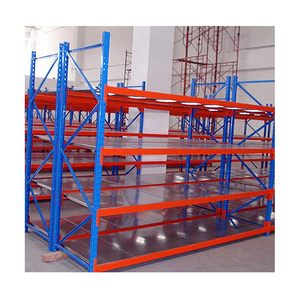
Guangdong Foshan Manufacturer Warehouse Storage Racking Metal Selective Pallet Racks Steel Vertical Racking Systems
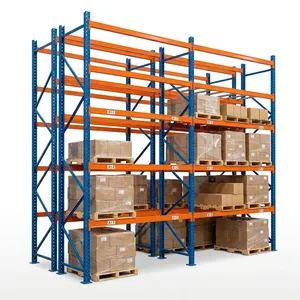
3000kg Adjustable Steel Pallet Rack Heavy Duty Boltless Shelving Anti-Rust Foldable Warehouse Storage
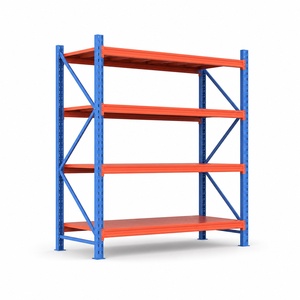
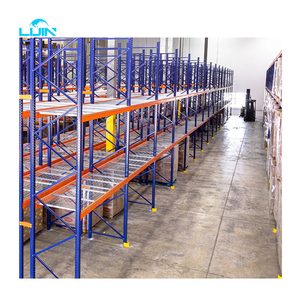
Industrial Heavy Duty Storage Shelves Systems Stacking Units Metal Rack Warehouse Steel Pallet Racking
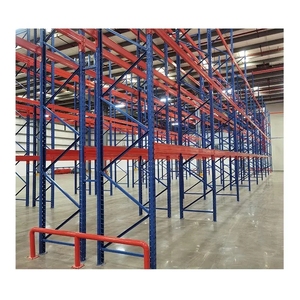
Warehouse Racking System Heavy Duty Industrial Steel Shelving Warehouse Pallet Racks For Sale
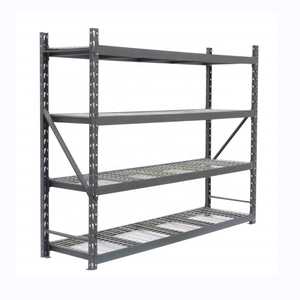
KINDE Steel Rack Heavy Duty Industrial Fruit Rack Warehouse Storage Pallet Racking For Industrial 800kgs
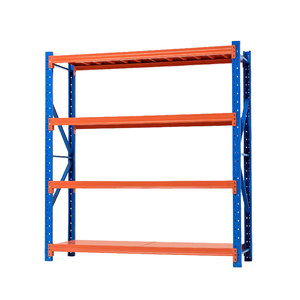
Industrial 4Layer Metal Shelving Stack Rack Light Duty Steel Shelving Boltless Racking Carton Storage Warehouse Rack
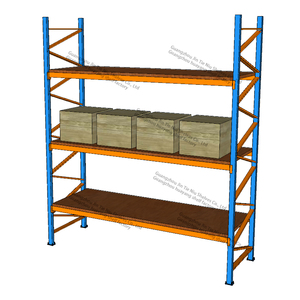
Selective Systems Welding For Pallet Adjustable Shelf Cold Room Fabric Bolt Storage Rack Lebanon, Israel, Palestine
Executive Summary: The Saudi Arabia Logistics & Storage Infrastructure Paradigm
Driven by Saudi Vision 2030 and the National Industrial Development and Logistics Program (NIDLP), the Kingdom of Saudi Arabia (KSA) is undergoing an unprecedented expansion of its logistics, industrial, and warehousing footprint. As major giga-projects—including NEOM, Qiddiya, Red Sea Global, and the extensive expansion of MODON (Saudi Authority for Industrial Cities and Technology Zones)—come online, the demand for heavy-duty, high-density industrial rack shelving systems has reached record levels.
Operating a warehouse facility in Saudi Arabia presents unique structural and environmental challenges. Industrial storage systems must be engineered not only to maximize volumetric space utilization (Cubic Space Efficiency) but also to withstand rigorous climatic conditions, including thermal expansion in non-climate-controlled facilities (where ambient temperatures exceed 50°C) and corrosive airborne dust in desert logistics corridors. Guangzhou Heda Shelves Co., Ltd. provides direct manufacturing solutions engineered specifically to meet these demanding parameters, holding full CE and ISO 9001:2015 certifications and complying with SASO (Saudi Standards, Metrology and Quality Organization) standards.
Technical Engineering & Climate Adaptation for KSA Storage Environments
Industrial pallet racks installed across Riyadh, Jeddah, Dammam, and Jubail require precise metallurgical and structural design to ensure long-term integrity and operator safety under high cycle operations:
High-Grade Cold-Rolled Steel (Q235B / Q355B)
Our upright frames and load-bearing box beams are roll-formed from premium cold-rolled steel coils, delivering superior tensile strength and yield performance under static and dynamic loading.
Electrostatic Thermosetting Powder Coating
To resist corrosion in humid coastal zones (Jeddah, Yanbu, Dammam) and abrasive sand wear, all components undergo a 10-stage automated pickling, phosphating, and powder coating process (80-100μm thickness).
Seismic & Civil Defense Anchor Engineering
Designed in compliance with Saudi Civil Defense regulations, structural footplates feature heavy-duty expansion bolts and dynamic bracing to withstand ground vibrations and localized impact.
When selecting racking profiles for Saudi operations, engineers must evaluate beam deflection ratios (standard L/200), upright column pitch adjustment (50mm / 75mm pattern flexibility), and safety locking pins to prevent accidental dislodgement during high-reach forklift maneuvers.
Localized Application Scenarios across Saudi Arabian Economic Sectors
Different industrial sectors in KSA require specialized pallet storage configurations tailored to their operational workflows and stock keeping unit (SKU) profiles:
- MODON Industrial Cities (Riyadh 2nd & 3rd, Dammam 1st & 2nd): High-density Selective Pallet Racking and Drive-In Systems tailored for raw material receiving, automotive assembly spares, chemical drum storage, and heavy metal fabrication buffer zones.
- Cold Chain Logistics Hubs (Jeddah Islamic Port & King Abdullah Port Hubs): Galvanized or specially coated Radio Shuttle Racking and Gravity Flow Systems engineered for sub-zero freezer facilities (-25°C), protecting poultry, dairy, and pharmaceutical supply chains from power-intensive warm storage cycles.
- E-Commerce & 3PL Distribution Fulfillment (Riyadh Logistics Park): Multi-Tier Structural Steel Mezzanines and Long Span Boltless Shelving units that double or triple usable floor space for fast carton picking, SKU sorting, and high-frequency parcel dispatch.
- Heavy Infrastructure & Construction Sites (NEOM, Tabuk, Al-Ula): Heavy-Duty Cantilever Racks designed for unhindered lateral loading of steel rebar, PVC pipes, aluminum extrusions, and timber timbering systems.
Macro Trends Driving Warehousing Optimization in KSA (2025–2030)
The transition toward automated and semi-automated logistics infrastructure in Saudi Arabia is changing how warehouse managers procure industrial racking systems:
1. Shift Toward Volumetric Vertical Utilization: With land acquisition and development costs rising in prime logistics corridors near King Khalid International Airport (Riyadh) and King Abdulaziz Seaport (Dammam), operators are extending structural racking vertical heights from standard 6-meter designs to 12-meter and 15-meter VNA (Very Narrow Aisle) systems.
2. Adoption of Semi-Automated Radio Shuttle Systems: To combat rising labor expenses and maintain continuous 24/7 throughput without excessive forklift fleets, Saudi distributors are replacing traditional drive-in systems with radio-controlled shuttle carts operating in deep-channel pallet lanes.
3. Strict Regulatory Adherence to SABER & SASO Standards: Saudi Customs and the Ministry of Commerce enforce stringent import checks. Industrial buyers now demand full material mill certificates, structural calculation sheets, and factory audits before issuing Letters of Credit (L/C).
Why Saudi Enterprises Partner with Guangzhou Heda Shelves Co., Ltd.
As a global direct racking manufacturer established in 2001, Guangzhou Heda Shelves Co., Ltd. bridges the gap between premium factory-direct manufacturing and localized project execution:
- Free CAD Layout & 3D Structural Modeling: Our structural engineering team provides complete floor plans, elevation drawings, load distribution analyses, and 3D renderings within 24–48 hours at zero cost.
- Massive Production Scale: Operating out of a modern 30,000 m² factory equipped with automated CNC punching, cold-roll forming lines, and robotic welding stations, yielding over 30,000 tons monthly capacity.
- Certified Global Standards: Fully certified under CE Certification (No. 2435-CPR-8605159) and ISO 9001:2015 (No. 18624Q00169R0M), guaranteeing compliance with international building and safety standards.
- Container-Optimized Export Packaging: Knock-down components are professionally bundled, wrapped in moisture-resistant film, and nested to maximize 20GP and 40HQ container loading density, minimizing ocean freight costs per pallet position to Dammam, Jeddah, and Riyadh Dry Port.
- Comprehensive On-Site Installation Guidance: We provide detailed installation manuals, component numbers, step-by-step videos, and remote or on-site engineering supervision to ensure error-free assembly by local Saudi installation teams.
Saudi Arabia Local Procurement FAQ (Frequently Asked Questions)
Do you ship racking systems directly to major Saudi ports and industrial cities?
Yes. We regularly ship FCL (Full Container Load) orders under FOB, CFR, or CIF terms directly to King Abdulaziz Port in Dammam, Jeddah Islamic Port, and via customs clearance to the inland Riyadh Dry Port. We assist with all required commercial invoices, packing lists, certificates of origin, and SABER compliance documents.
How do your products comply with Saudi SABER certification requirements?
Our manufacturing facilities undergo rigorous quality control. We issue raw steel material test certificates (MTC) and structural test reports required for issuing the Product Certificate of Conformity (PCoC) and Shipment Certificate of Conformity (SCoC) via the official SABER platform.
What information is required to receive a custom 3D layout and quote?
To prepare an accurate engineering layout, please share: (1) Warehouse building dimensions, clear height, and column grid locations; (2) Pallet dimensions including load height and total weight per pallet; (3) Forklift model, turning radius, and maximum reach height; (4) Desired SKU rotation (FIFO vs LIFO).
Which racking finish is best suited for ambient warehouses in hot desert regions?
For standard ambient warehouses in dry regions like Riyadh and Qassim, our electrostatic powder coating (80-100μm thickness) provides superior scratch resistance and durability. For coastal warehouses (Jeddah, Dammam) or cold storage rooms, we recommend hot-dip galvanizing (HDG) or zinc-rich primer treatments.
Can your racking designs be approved by Saudi Civil Defense safety inspectors?
Absolutely. Our designs incorporate required safety accessories, including column upright protectors, frame end guards, mesh decking for overhead sprinkler water penetration, back-cladding safety nets, and heavy-duty floor anchoring bolts compliant with local safety codes.
What is the typical production and delivery timeline for a project in KSA?
Standard manufacturing takes approximately 15 to 20 days depending on the total tonnage. Ocean transit time from our Southern China port to Dammam or Jeddah ports is typically 18 to 22 days, making total project lead time around 5 to 6 weeks from technical drawing approval.
Optimize Your Saudi Warehouse Storage Capacity Today
Consult with our senior structural racking engineers. Get a complimentary 3D layout design, load calculation report, and competitive factory-direct quote tailored for your KSA logistics facility.
Contact Us