Industrial-Grade Warehouse Storage Racking Systems
Modular, high-density, and container-optimized pallet storage solutions engineered for logistics hubs in Lagos, Ogun, Kano, Abuja, and Port Harcourt.
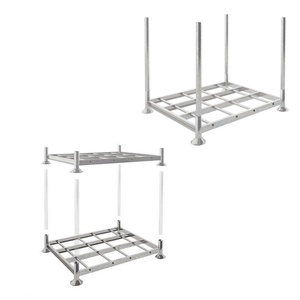
Industrial Detachable Stillage Pallet Storage Rack
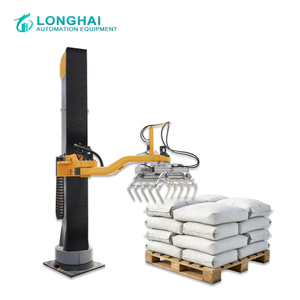
Full Automatic Rotary Column Bag Palletizer Machine
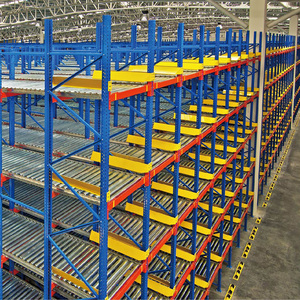
Auto-Sliding Heavy Duty Gravity Flow Pallet Racks
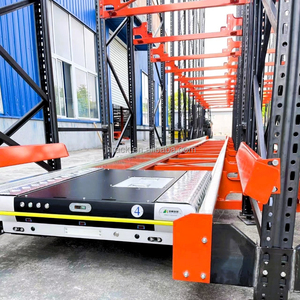
Automated Warehouse Shuttle Racking System
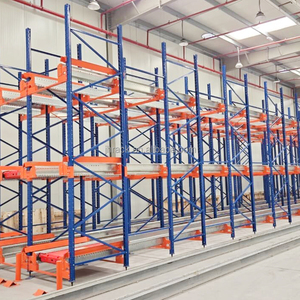
Heavy-Duty Radio Shuttle Car Storage System
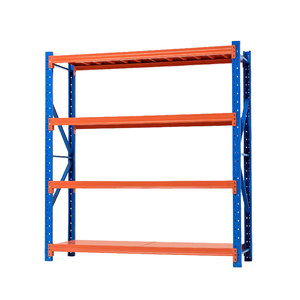
Industrial 4-Layer Boltless Steel Storage Rack
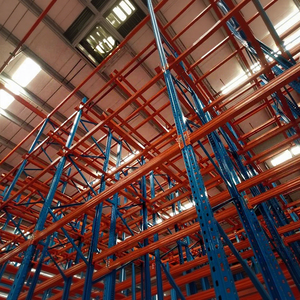
Heavy Duty Industrial Selective Pallet Rack
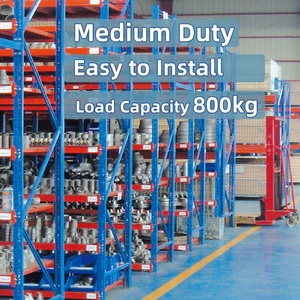
Medium Duty Adjustable Bolted Steel Shelving
Nigeria Warehouse Storage Infrastructure: Engineering, Localization & Logistics Guide
A comprehensive assessment of structural intralogistics, supply chain resilience, and material specifications for operators procuring racking systems across West Africa.
1. The Industrial Realities of Warehousing in Nigeria
As Nigeria accelerates industrial development through initiatives along the Lekki Free Trade Zone, Ikeja industrial estates, and expansion across the Agbara industrial belt, logistics operators encounter acute spatial, structural, and climatic constraints. Real estate valuations in prime Nigerian industrial hubs have increased the necessity of vertical warehouse densification. Nevertheless, procuring racking systems for West African distribution hubs demands far more than off-the-shelf shelving: it requires structural designs explicitly engineered to survive the operating realities of the Nigerian supply chain.
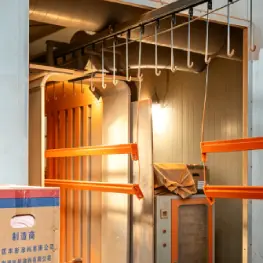
Tropical environmental factors present significant design challenges. Coastal logistics hubs situated within proximity to the Atlantic Ocean—specifically Apapa, Tin Can Island corridors, and Lekki—experience elevated relative humidity frequently exceeding 85% paired with high ambient salt-spray exposure. Standard structural steel without rigorous chemical pretreatment will suffer early micro-corrosion, compromising load structural margins over 24 to 36 months. Guangzhou Heda Shelves addresses this environmental vulnerability through a multi-stage automated surface conversion: high-efficiency chemical pickling, advanced phosphating, and uniform 60–80 micron electrostatic epoxy-polyester powder thermosetting, creating a protective barrier against humidity, chemical vapours, and coastal atmospheric oxidation.
Engineering Imperative: In coastal West Africa, structural failure frequently originates from moisture pooling along cold-formed roll profiles. Specifying closed structural tubes, epoxy powder coating, and hot-dip galvanized footplates significantly reduces maintenance lifecycle costs.
2. Localized Industrial Application Scenarios in Nigeria
Evaluating warehouse pallet racking factories and exporters requires aligning storage mechanics with localized operational profiles across Nigeria's dynamic sectors:
Fast-Moving Consumer Goods (FMCG)
High-turnover distribution centers across Ikeja, Oshodi-Isolo, and Ibadan handling rapid inventory cycles. Selective pallet racking systems allow 100% SKU selectivity, eliminating handling bottlenecks during high-volume vehicle turnaround windows.
Agro-Commodity & Grains (Kano & Middle Belt)
Bulk storage for bagged commodities such as cocoa, cashew, groundnut, and grains. Paired with automated bag palletizing systems, drive-in and heavy-duty stillage racks prevent ground condensation, spoilage, and pest infestation common with floor-stacking.
Cold Chain Logistics (Seafood & Pharma)
Refrigerated spaces at Apapa Port and Ikeja cargo terminals face steep diesel generator run-time costs. Radio shuttle racking maximizes cubic air density, decreasing refrigeration loss per pallet footprint by up to 50% compared to broad aisle setups.
3. Structural & Economic Trends Shaping Nigerian Warehousing
The warehousing landscape in Nigeria is undergoing a generational shift. With the expansion of the African Continental Free Trade Area (AfCFTA) and infrastructural investments in deep-sea ports like Lekki, three definitive trends dominate industrial racking investments:
Decoupling from Grid Dependency
With intermittent national electrical supply requiring diesel generation, logistics operations are selecting mechanical storage designs. Gravity flow and push-back systems operate entirely on mechanical physics and counterbalances, maintaining full operating cycles without power.
Vertical Cubic Maximization
Skyrocketing land acquisition costs in prime industrial belts are driving warehouse designs up to 12-16 meters clear height. Importers are adopting Very Narrow Aisle (VNA) and multi-tier rack-supported mezzanines to double floor operational surface area without adding real estate footprint.
End-to-End Containerized Freight Planning
Rising global ocean carrier rates make freight efficiency a critical metric. Components designed for knock-down modular packaging allow full structural racking frameworks to nest tightly inside 40HQ high-cube ocean containers, reducing shipping landed costs per ton to Lagos and Onne.
As Nigerian logistics enterprises move toward modern distribution systems, collaborating with an exporter offering comprehensive engineering—including certified static calculations, finite element stress analysis, and pre-drilled standardized upright profiles—ensures structural reliability over decades of operations.
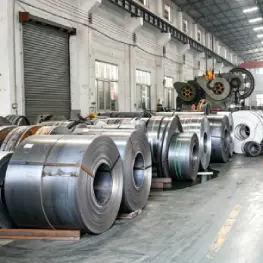
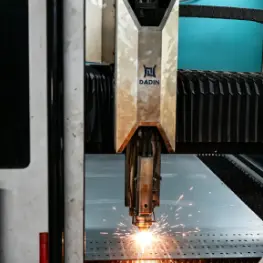
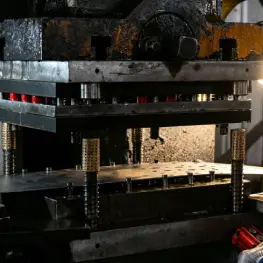
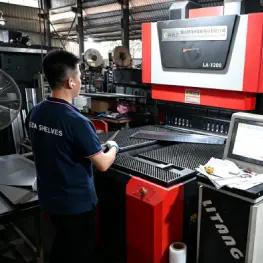
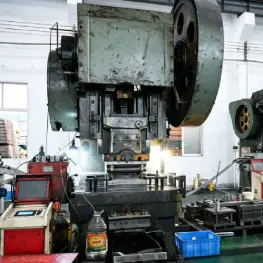
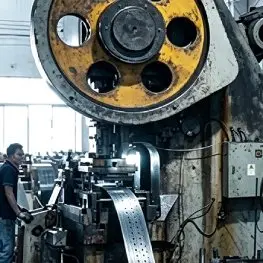
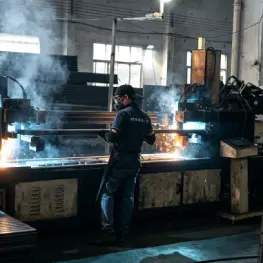
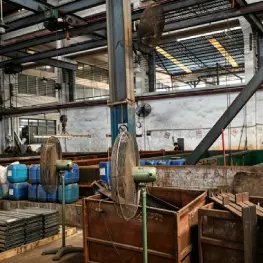
10-Stage Precision Heavy Steel Fabrication Process
Every beam, upright column, and shelf is engineered inside our 30,000 m² automated facility to maintain absolute dimensional and structural tolerance.

Why Direct Importers Partner with Guangzhou Heda Shelves
Combining 25 years of structural racking engineering with dedicated maritime export channels servicing West and Central Africa.
30,000 Tons Monthly Capacity
Continuous coil processing, laser cutting, and automated roll forming equipment guarantee fast turnaround times for high-volume enterprise warehouse buildouts.
Free 2D/3D CAD Layouts
Submit your facility dimensions to receive layout designs, 3D renders, and beam capacity calculations within 24 hours at zero design cost.
Verified Certifications
Certified to European standards CE (No. 2435-CPR-8605159), ISO 9001:2015 (No. 18624Q00169R0M), and RoHS compliance with rigorous batch testing documentation.
Container Shipping & Clearance
Export packaging optimized for ocean freight shipping to Lagos (Apapa/Tincan/Lekki), Onne, Tema, Abidjan, and Mombasa under flexible FOB, CFR, or CIF terms.
Frequently Asked Questions by Nigerian Importers & Warehouse Operators
Technical, logistical, and import answers addressing the operational requirements of warehouse planning in Nigeria.
What ocean shipping transit times and terms are available for Nigeria?
How does HEDA Shelves ensure racking integrity under Nigerian humidity?
Can our local engineering team in Nigeria handle the installation?
What structural information is required to design our warehouse racking layout?
Which racking solutions continue running during power outages in Nigeria?
Ready to Optimize Your Nigerian Warehouse Storage?
Connect with our technical storage engineers today for a complimentary CAD floor plan, structural load calculations, and containerized export pricing for your facility.
Contact Us