 Heavy Industry
Engineered cold-rolled structural steel with tubular bottom skids. Delivers non-deflecting performance for metal coils, engines, and heavy cargo.
- Racking Load: Up to 2,500 kg
- Deflection Ratio: < L/150
- Finish: Powder Coated / Epoxy
Year established
Engineers & skilled fabricators
Tons monthly output
Guangzhou factory facility
Storage installations
Export destination countries

Unlike floor stackable platforms, a genuine warehouse rackable pallet must resist severe longitudinal bending stresses when balanced between open step or box beams. Review our field-proven configurations below.
Heavy IndustryEngineered cold-rolled structural steel with tubular bottom skids. Delivers non-deflecting performance for metal coils, engines, and heavy cargo.
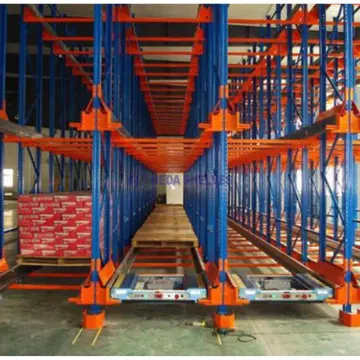 Pharma & FMCG
High-density virgin polyethylene reinforced with internal galvanised carbon steel rods to eliminate plastic thermal droop and beam sag.
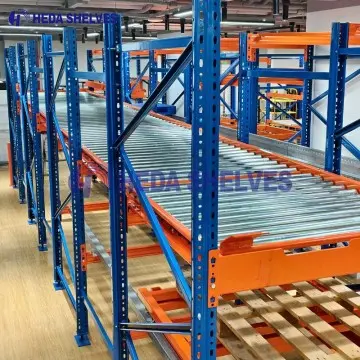 Flow & Conveyors
Full 6-runner bottom configuration distributing downward mass evenly across roller tracks, push-back carts, and gravity conveyors.
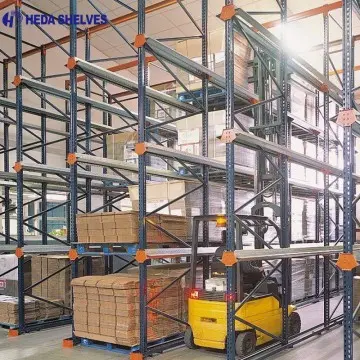 Cold Storage
Hot-dip galvanized structural pallet designed for deep freeze chambers (-30°C). Eliminates low-temperature embrittlement and fire sprinkler risks.
As enterprise fulfillment centers transition to ultra-dense high-bay racking and autonomous mobile material handlers, procurement strategies for warehouse rackable pallets have evolved dramatically from commodity spending into structural safety and telemetry-driven investment.
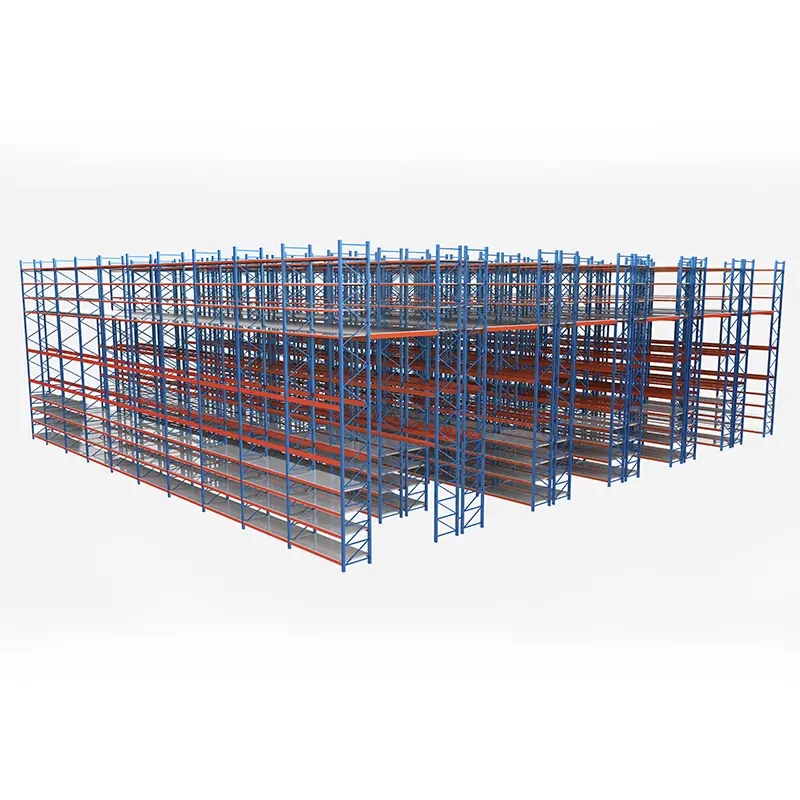
Autonomous radio shuttles and automated cranes demand dimensional stability within ±1.5 mm. Conventional timber pallets warp under changing humidity, resulting in shuttle jams and optical sensor errors. Global warehouse managers are aggressively shifting toward robot-ready steel and reinforced composite rackable pallets that ensure uniform runner geometry at 30-meter rack heights.
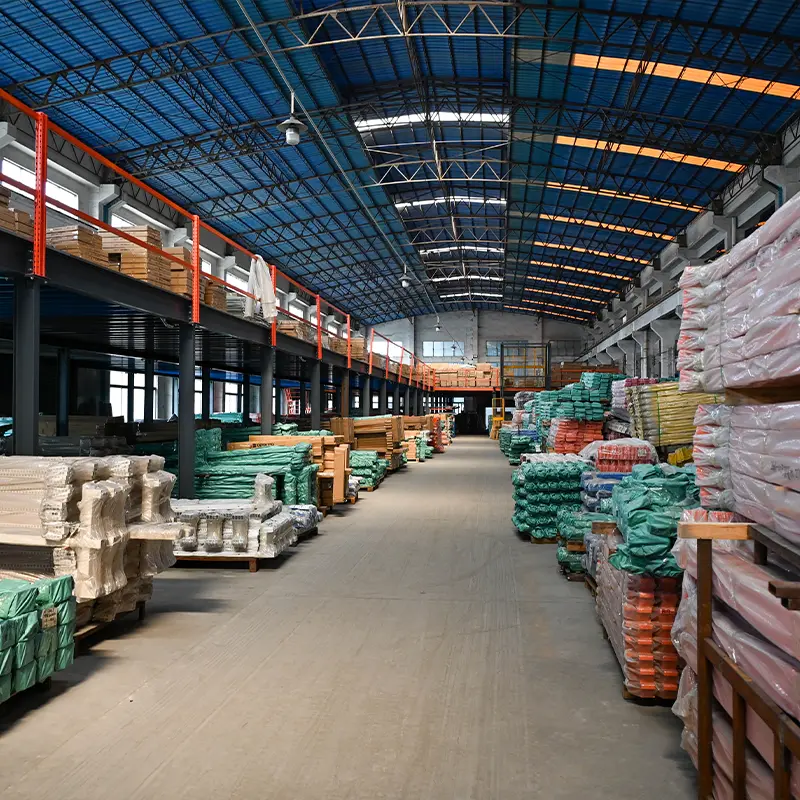
Procurement teams are moving away from expendable, fragile pallets. In high-throughput operations, wooden pallets require frequent maintenance, shed wood splinters that jam conveyors, and create loose-nail puncture hazards. High-durability steel and engineered polymers deliver operational life expectancies exceeding 10 years, yielding up to a 62% reduction in lifecycle cost per pallet rotation.
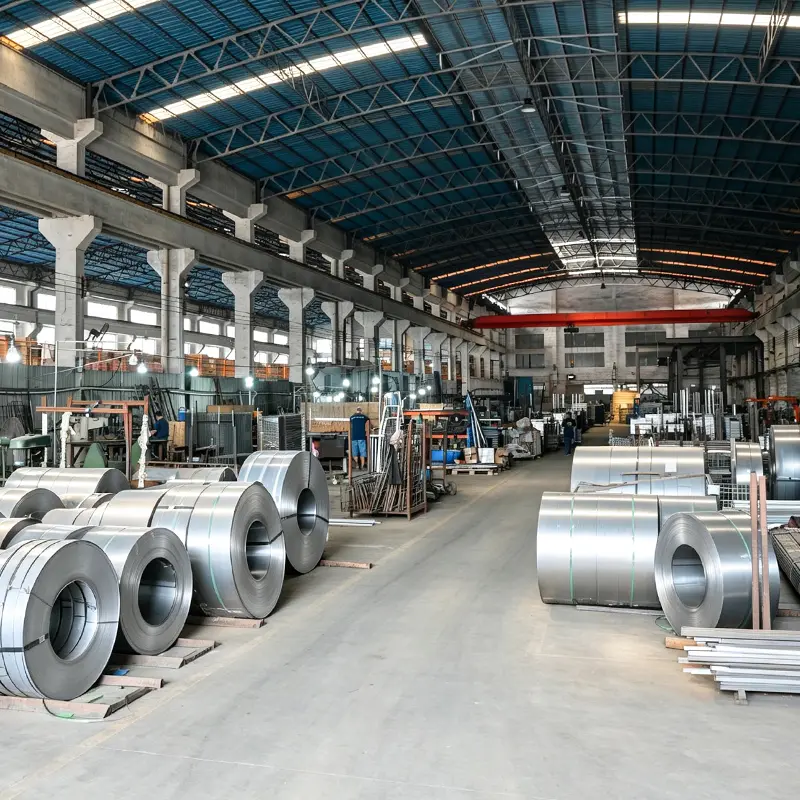
Underwriters and municipal building authorities increasingly enforce stringent NFPA 13 standards regarding fire sprinkler flue penetrations and pallet fuel-load classifications. Non-combustible structural steel rackable pallets eliminate fire loading in concentrated high-bay racking, often resulting in substantially lower warehouse insurance premiums and simpler ceiling sprinkler design.
Driven by AI automated guided vehicles (AGVs), Internet of Things (IoT) supply chain visibility, and advanced metallurgy, warehouse rackable pallets are experiencing unprecedented technical innovation.
Modern rackable platforms feature flush-molded or weld-protected recesses housing UHF RFID and BLE asset tags. Real-time warehouse management systems (WMS) monitor pallet coordinates, storage duration, and weight loads across selective and drive-in racks without manual barcode scans.
By leveraging automotive-grade high-strength Q235B and Q355B cold-rolled profiles, Guangzhou Heda Shelves Co., Ltd. produces steel rackable pallets with thin-wall hollow structural sections that reduce tare weight to under 18 kg while sustaining racking point-loads in excess of 2,000 kg.
Traditional plastic pallets suffer from material "creep"—the gradual irreversible deformation under static load at room temperatures. Advanced chemical stabilizers, coupled with internally tensioned structural steel tubes, maintain deflection below 5 mm even after 90 days of sustained rack loading.
To eliminate pallet slippage during high-speed forklift acceleration and decelerating beam engagement, dual-injected polyurethane elastomer contact strips are integrated directly onto upper deck plates and bottom runner contact zones, elevating dynamic friction co-efficiency by 300%.
A pallet cannot be evaluated in isolation. Its load performance depends entirely on how the bottom runner design interfaces with rack beam spans, roller inclines, or shuttle rails.
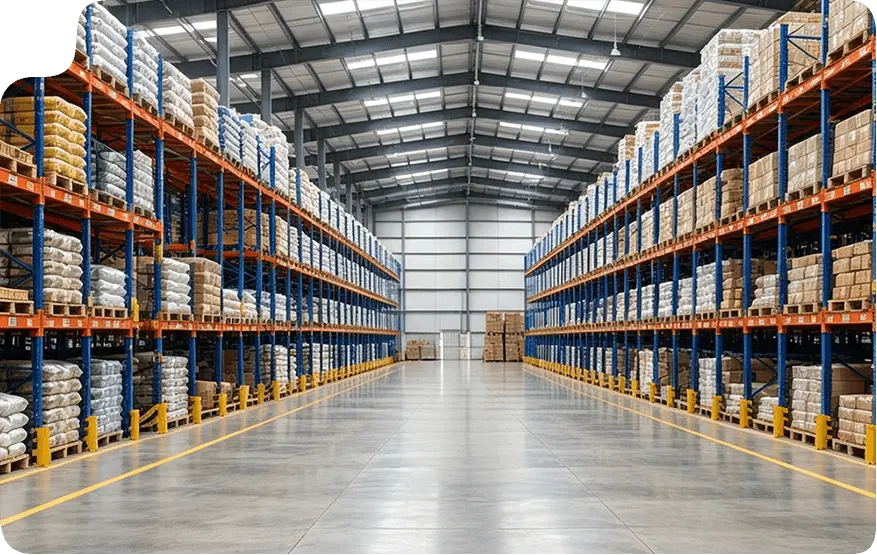
In standard selective racks, pallets rest entirely on two horizontal steel beams with a central unsupported gap of 1,000 to 1,200 mm. Requires a rigid 3-runner or full-perimeter rackable base to avoid sagging into the flue space.
Drive-in systems support pallets only at the extreme outer edges (typically 50–75 mm flange rails). Pallets must possess high lateral stiffness across the center span so side rails do not pinch inward or slide off brackets.
Automated shuttle carriages slide beneath the pallet along specialized steel profiles. Pallet underside clearance and runner planar tolerance must be exceptionally uniform so optical sensors can detect leading edges cleanly.
Requires continuous bottom runners oriented parallel to roller beds. Split runners or cracked bottom boards can catch on brake rollers, creating dangerous blockages inside deep FIFO lanes.
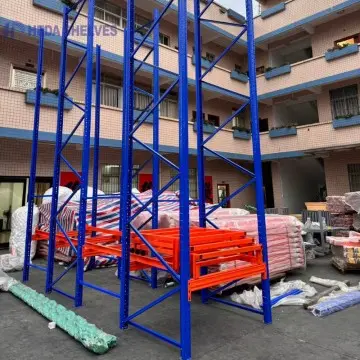
In 2-to-6 deep push-back installations, pallets ride on nested telescopic steel carts. Bottom runners must endure dynamic pushing friction from forklift forks without deck fracture or corner shear.
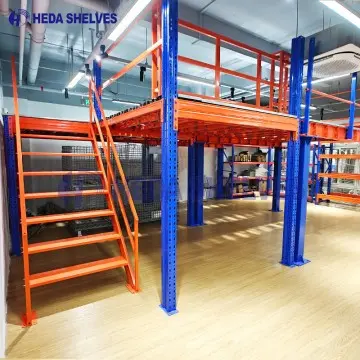
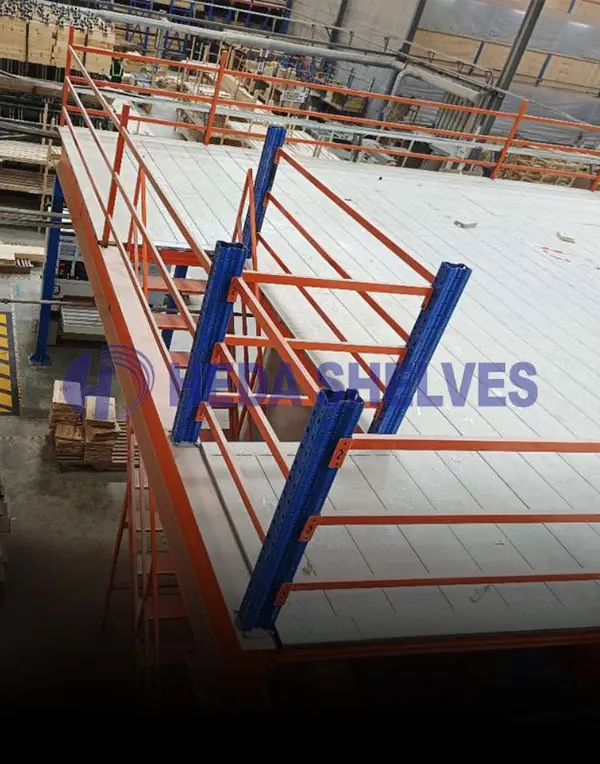
When stacking heavy pallets on raised mezzanine floors or long-arm cantilever arms, wide flat-contact runner footprints prevent localized punching shear through steel decking panels.
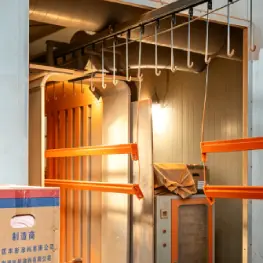
Founded in 2001, Guangzhou Heda Shelves Co., Ltd. has grown into a world-class manufacturing authority for heavy-duty industrial storage systems and warehouse rackable pallets. Headquartered in Guangzhou with an advanced 30,000 square meter production facility, our operations integrate CNC steel uncoiling, automated profile rolling, multi-axis robotic welding, and automated surface electrostatic coating lines.
With an engineering capacity exceeding 30,000 tons per month and over 10,000 completed warehouse installations across 120+ countries, we eliminate intermediary trading markups. We deliver verified, FEA-calculated rackable platforms manufactured to international ISO 9001:2015, CE, and RoHS standards.
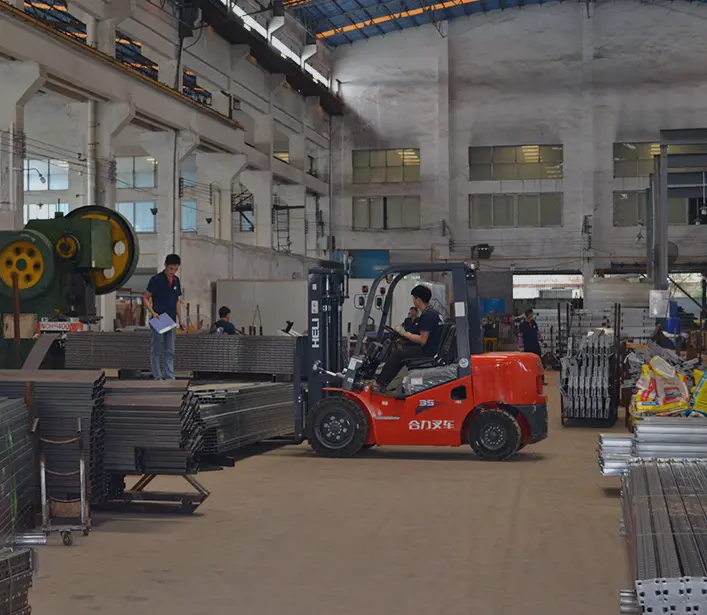 Inside Our 30,000 m² FacilityWatch precision fabrication and robotic welding in action
Explore how Guangzhou Heda Shelves Co., Ltd. resolves structural deflection, extreme loads, and challenging climates in major international distribution centers.
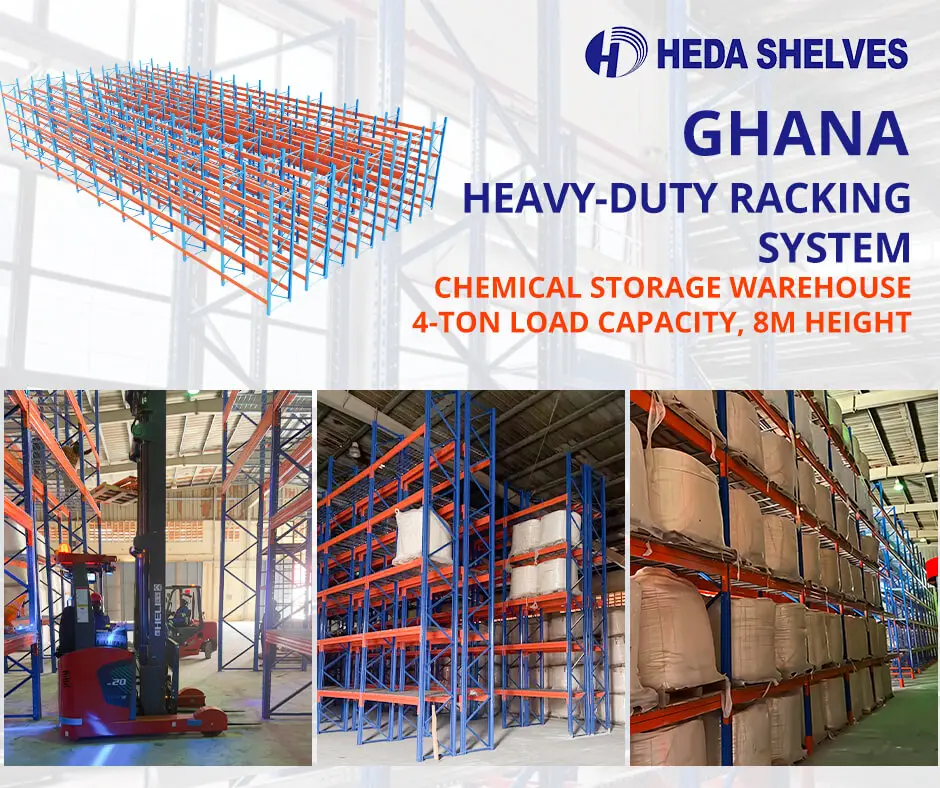
Equipped a chemical importer in Ghana with non-deflecting structural steel pallets designed for IBC totes and liquid chemical drums, fully eliminating flammable timber fire risks.
Engineered 4,800 pallet locations for a Nairobi horticultural and poultry cold store. Hot-dip galvanized rackable pallets run friction-free along motorized shuttle tracks without low-temperature polymer fracture.
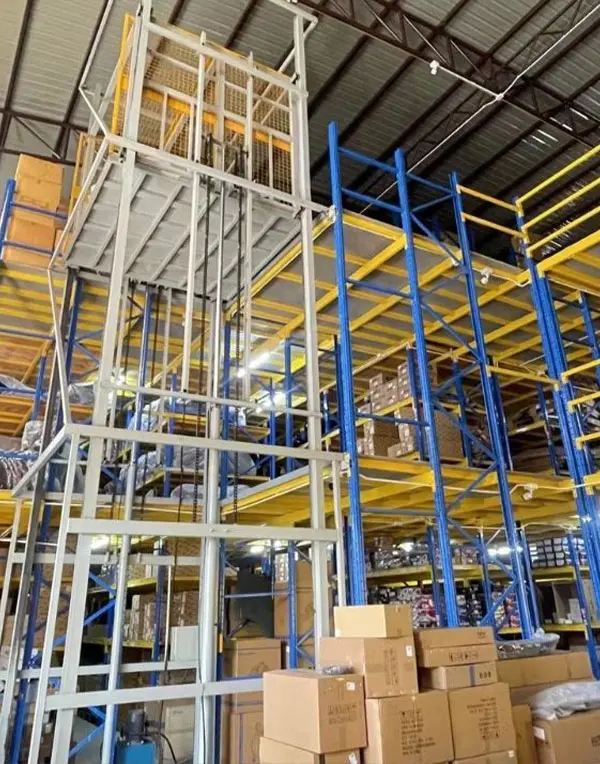
Supplied an automotive manufacturing warehouse with 6,500 heavy-load rackable pallets paired to selective and multi-tier mezzanine racks for dense engine block and transmission storage.
Every warehouse rackable pallet manufactured by Guangzhou Heda Shelves Co., Ltd. undergoes a ten-stage quality assurance process ensuring strict deflection tolerances and structural longevity.
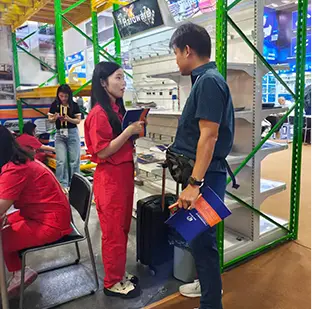
Engineers calculate static, dynamic, and racking deflection limits tailored to your clear beam spans.
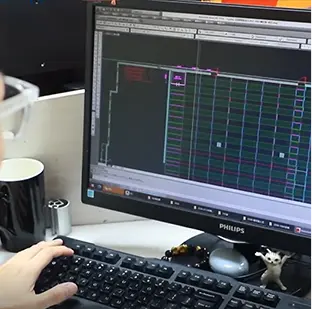
Finite Element Analysis guarantees minimum deflection under asymmetric and dynamic forklift loads.
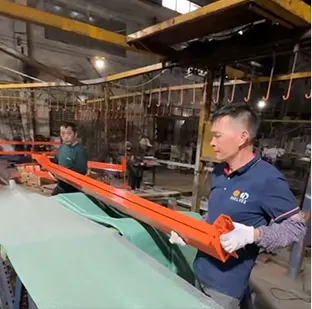
Automated stamping, cold roll forming, and multi-axis robotic welding deliver dimensional consistency.

Optimized container nesting and comprehensive export shipping to international deep-water ports.
Strict quality control from certified raw steel coils to ISO 8611 load verification.
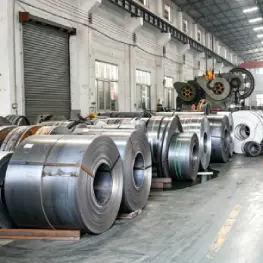
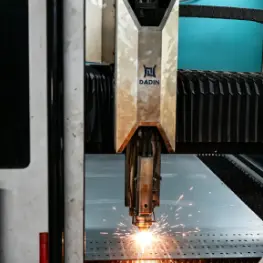
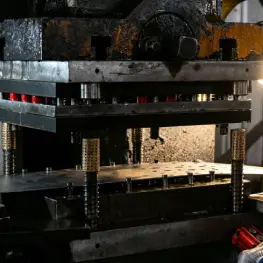
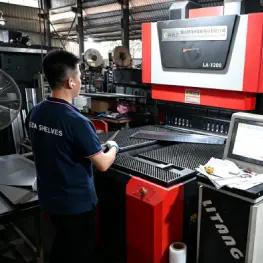
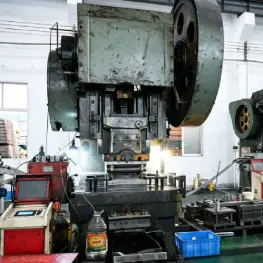
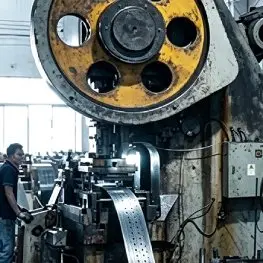
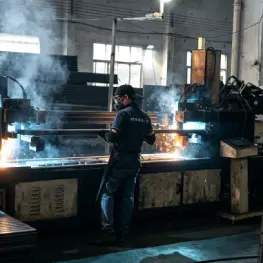
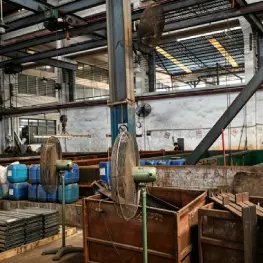
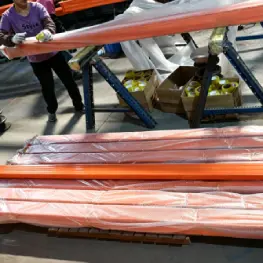
Warehouse racking safety permits zero compromise. Guangzhou Heda Shelves Co., Ltd. subjects every product series to rigorous deflection validation under simulated racking configurations.


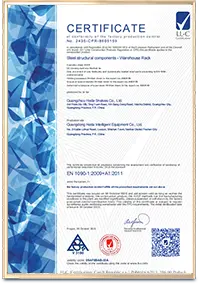
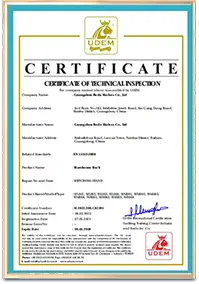
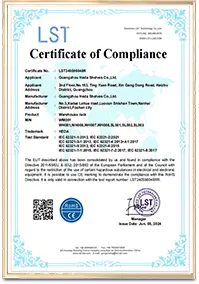
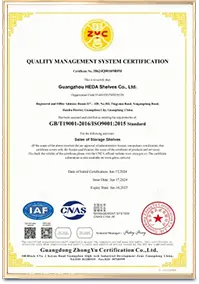
Trusted by major logistics operators, global brands, and multi-national warehouses





Engineering analyses on load deflection physics, automated shuttle interoperability, and lifecycle budgeting.
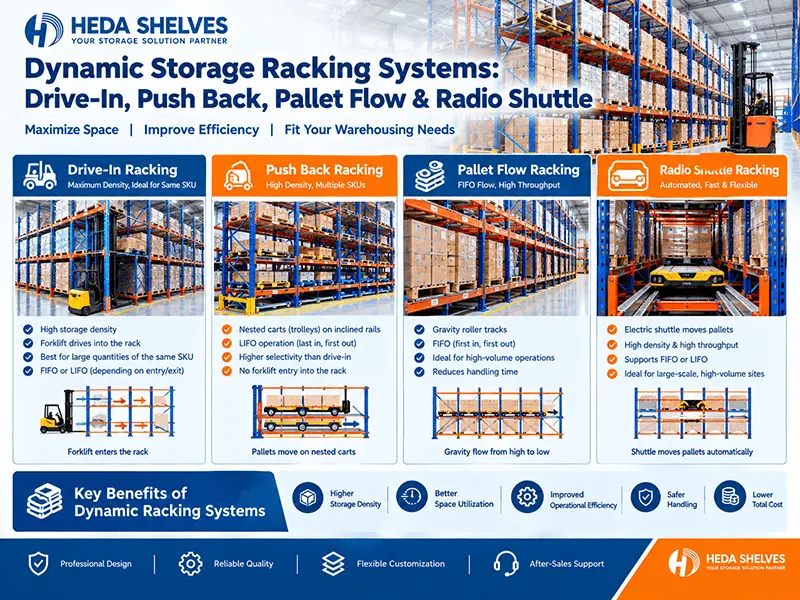
A mathematical review of beam bending moments, modulus of elasticity in steel vs. polymers, and dynamic forklift loading margins.
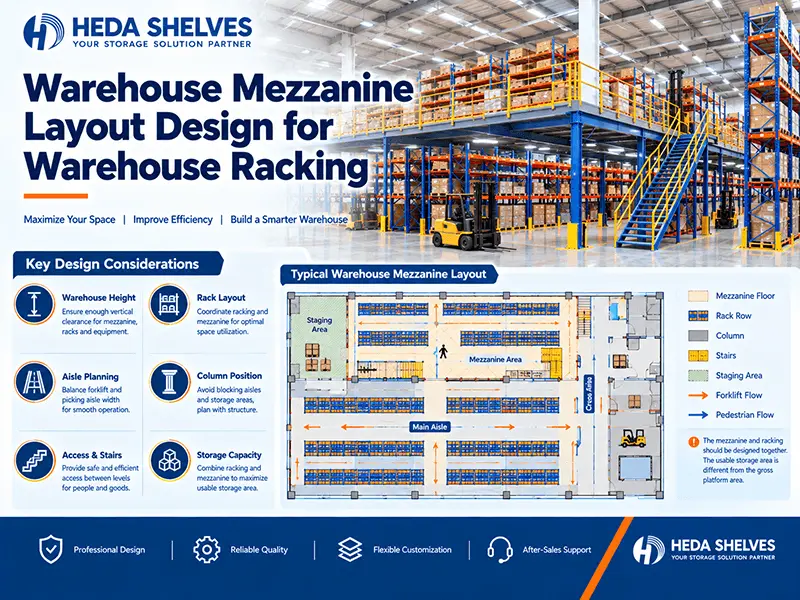
How calibrated bottom runner spacing prevents photoelectric sensor blinding and avoids radio shuttle carriage friction.

A 10-year empirical evaluation comparing initial acquisition expense, maintenance replacement cycles, and pallet fire insurance surcharges.
Share your target payload, rack beam clear spans, and operational environment. Our engineering department will return structural load assessments, container nesting calculations, and factory-direct pricing within 24 hours.