Featured Industrial Pallet Rack Decking Solutions
Precision-engineered for step beams, box beams, and structural structural C-channels. Every decking system is robotically welded, cold-formed, and load-tested to maximize bay storage density and warehouse occupational safety.
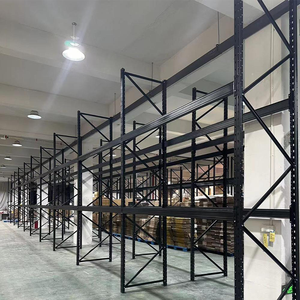
Wire Mesh Deck Pallet Racking Corrosion Resistant Dust Leakage Prevention
- Standard UDL: 800 - 1500 kg/level
- Mesh Aperture: 50 x 50 / 50 x 100 mm
- Support Channel: 3-4 Inverted Ribs
- Finish: Hot-Dipped / Powder Coat
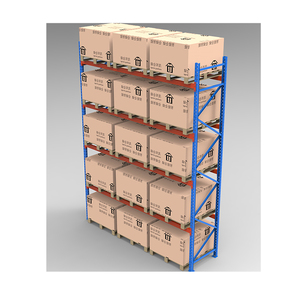
Wire Mesh Decking Pallet Rack Heavy Duty Steel Certified System
- Standard UDL: 1000 - 2500 kg/level
- Wire Gauge: 4.5 mm - 6.0 mm Q235B
- Beam Fitment: Universal Step Beams
- Compliance: ANSI MH26.2 / CE
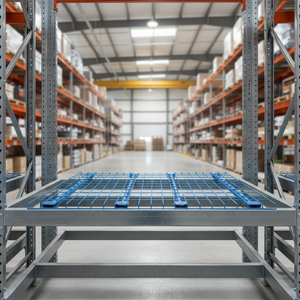
European Style Inverted Pallet Rack Zinc Steel Wire Mesh Decking
- Profile Type: Inverted Flare Channel
- Corrosion Proof: Electro-Zinc >12μm
- Clean Room: Dust-Free Food Standard
- Feature: Foldable Space-Saving
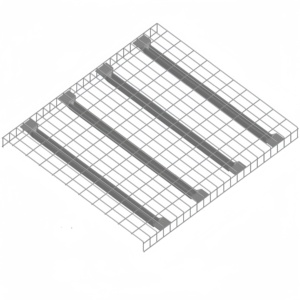
Heavy Duty Metal Pallet Rack Galvanized / Industrial Coated Decking
- Load Range: 1200 - 3000 kg UDL
- Waterfall: 38 mm Standard Overhang
- Welding Method: Multi-Point Resistance
- Color Coating: Custom RAL Schemes
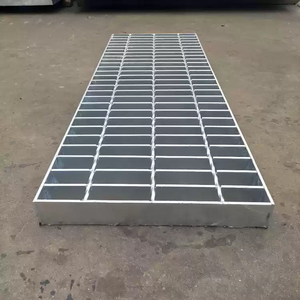
Press Locked Bar Grate Pallet Rack Decking for Heavy Outdoor & Yard
- Point Load: Up to 5000 kg Extreme
- Material: Stainless / Q235B Bar
- Ventilation: High Fire Sprinkler Flow
- Application: Chemicals, Dies, Outdoor
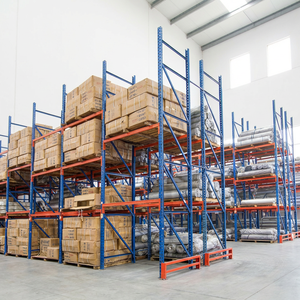
Industrial Storage Galvanized Wire Decking for Selective Pallet Racks
- Customization: Custom Length & Depth
- Channel Profile: Flanged Flare Universal
- Safety Rim: Snag-Free Perimeter Wire
- Certificates: ISO 9001:2015 / CE
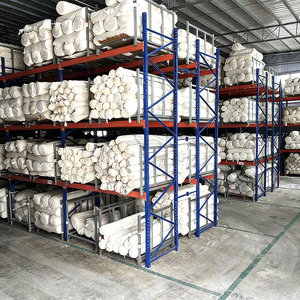
Multi-Layer Heavy Duty 1000kg Anti-Corrosion Stack Wire Decking
- Design Load: 1000 kg Rated Tier UDL
- Pretreatment: Pickling & Phosphating
- Deflection: Strict < L/250 Standard
- Pallet Fit: Standard GMA / Euro Sizes
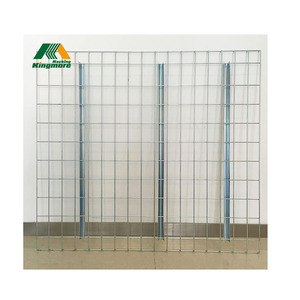
Galvanized / Powder Coated 1000kg Selective Decking Factory Supply
- Export Standard: Container Dense Pack
- Weld Strength: Shear Force > 5.2 kN
- Fire Standard: NFPA 13 >70% Open Area
- Lead Time: 10 - 15 Business Days
Structural Mechanics & Safety Compliance of Racking Decking
In modern high-bay logistics, pallet rack decking does not merely act as an accidental fall arrestor; it serves as a critical structural component governing load distribution, fire sprinkler discharge dynamics, and operator safety.
Load Physics: UDL vs. Point Loads
All certified decking engineered by Guangzhou Heda Shelves conforms rigorously to ANSI MH26.2 standards. While Uniformly Distributed Loads (UDL) spread weight symmetrically across support channels, concentrated point loads from broken skids or footed containers cause localized shear stress. We calculate deflection criteria to remain below L/250 under nominal operating stresses.
NFPA 13 Fire Sprinkler Fluid Dynamics
Solid plywood and particle board decking create dangerous thermal umbrellas that delay ceiling sprinkler activation and starve lower rack tiers of extinguishing water. Our open wire mesh design guarantees over 70% open area, enabling uninhibited vertical water penetration, zero dust settling, and rapid smoke exhaust detection per NFPA fire marshal codes.
Channel Geometries: Step vs. Flanged
We engineer three distinct cold-formed channel geometries: Standard Step Channels (drop cleanly into 1-5/8" step beams without interfering with pallet entry), Universal Inverted Flanged Channels (flush-fitting profiles for box beams that prevent food crumbs and chemical dust accumulation), and Press-Locked Bar Grids (high-rigidity steel flats for intense localized loads).
Years of Racking R&D (Est. 2001)
Automated Factory Infrastructure
Monthly Structural Steel Throughput
Turnkey Intralogistics Projects Shipped
| Decking Structural Type | Wire Gauge / Bar Thickness | Standard Mesh Aperture | Channel Configuration | Certified UDL Capacity | Ideal Industrial Environments |
|---|---|---|---|---|---|
| Standard Step Waterfall Wire Deck | 4.5 mm – 5.5 mm Q235B | 50 × 100 mm (2" × 4") | 3 or 4 External U-Channels | 1,000 – 1,500 kg | FMCG, 3PL Warehousing, Retail Distribution Hubs |
| Inverted Flanged Channel Wire Deck | 4.0 mm – 5.0 mm Zinc Steel | 50 × 50 mm (2" × 2") | Inverted Flush Flare Channels | 800 – 1,200 kg | Food, Pharmaceutical, Dust-Sensitive Cleanrooms |
| Heavy-Duty Press-Locked Bar Grating | 3 mm – 5 mm Flat Steel Bars | 30 × 30 mm / 33 × 33 mm | Notched Cross Bar Press-Lock | 2,500 – 5,000 kg | Stamping Die Storage, Foundries, Outdoor Bulk Yards |
| Flush Drop-In Internal Wire Deck | 5.0 mm – 6.0 mm Carbon Steel | 25 × 100 mm Anti-Snag | Flat Welded End Brackets | 1,200 – 1,800 kg | Carton Hand-Picking Levels, Robotic Shuttle Lanes |
Global Procurement & Technological Trends in Racking Decking
As automated fulfillment centers, dark warehouses, and extreme sub-zero cold chain networks accelerate globally, procurement executives are shifting from generic commodities to performance-engineered decking specifications.
Zero-Tolerance Integration with AMR & AGVs
Automated mobile robots (AMRs) and automated high-bay AS/RS cranes require sub-millimeter deck levelness. Modern procurement teams reject sagging decks in favor of reinforced wire grids with pre-stressed inverted ribs that eliminate laser-sensor false positives and ensure smooth automated underside sensor scanning.
Cold-Chain & Coastal Humidity Formulations
Standard electro-zinc finishes corrode in aggressive coastal logistics hubs or sub-zero refrigeration (-30°C). High-end operations now mandate Hot-Dip Galvanizing (HDG per ASTM A123) with zinc coatings exceeding 65μm, or specialized zinc-nickel alloy electrostatic treatments guaranteeing over 720 hours of salt spray resistance (ASTM B117).
High-Strength Micro-Alloy Thin-Gauge Steels
ESG policies and skyrocketing maritime shipping tariffs are driving adoption of high-yield-strength micro-alloy steel coils. By leveraging advanced cold-rolling processes, manufacturers achieve higher ultimate tensile strength with 15% less steel mass, drastically reducing freight carbon footprints and container landed costs per bay.
Seismic & Impact Retention Lock Mechanisms
Logistics hubs in seismic zones now enforce positive mechanical deck retention. Standard drop-in decks risk dislodgement during seismic vibrations or accidental fork lift snagging. Future deck engineering embeds pre-punched fastener tabs, snap-in locking pins, and wrap-around waterfall edges conforming to strict global building directives.
The 10-Stage Precision Production Architecture
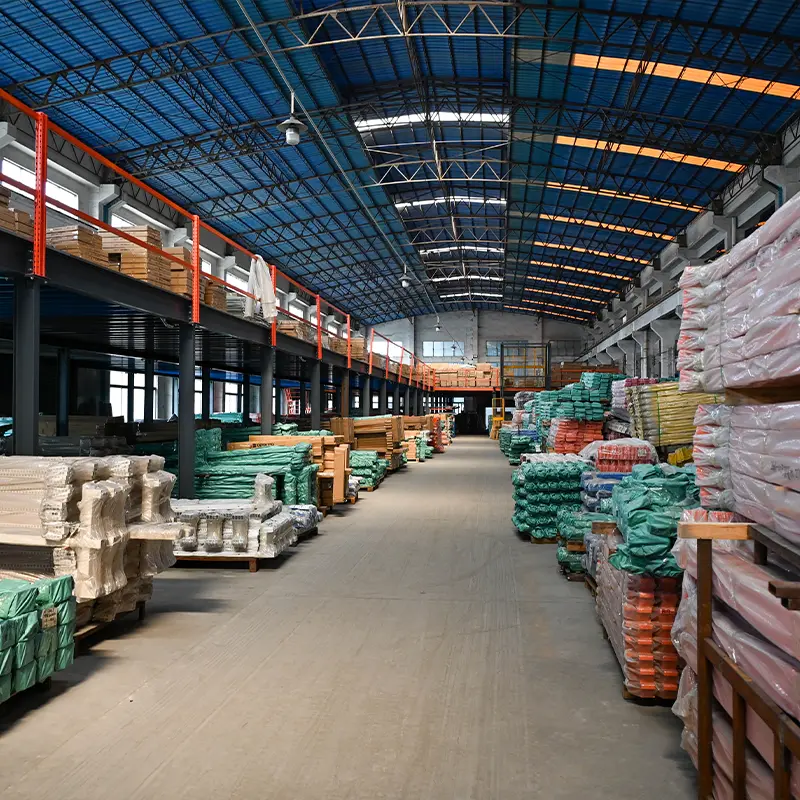
Every pallet rack decking panel manufactured at Guangzhou Heda Shelves Co., Ltd. undergoes a certified 10-phase production cycle inside our 30,000 m² production complex, ensuring tight dimensional tolerances, seamless weld integrity, and enduring corrosion resistance.
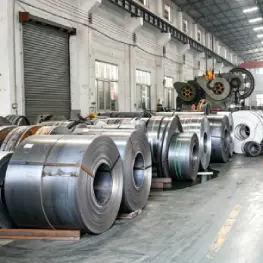
Certified Steel Coils
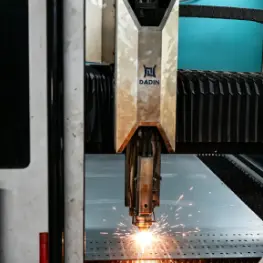
Precision CNC Cutting
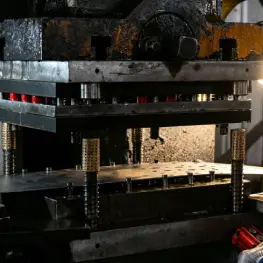
Automated Punching
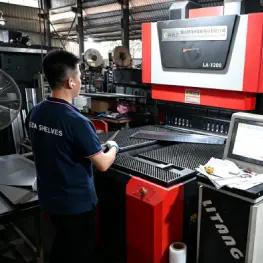
Cold-Bending Forming
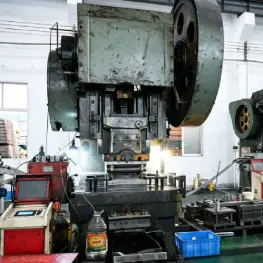
Profile Roll Forming
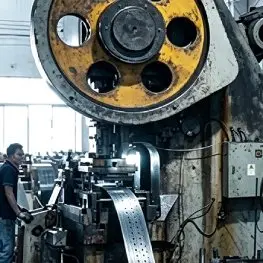
Edge Deburring & Polishing
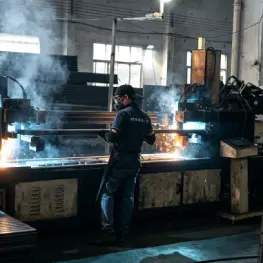
Multi-Point Mesh Welding
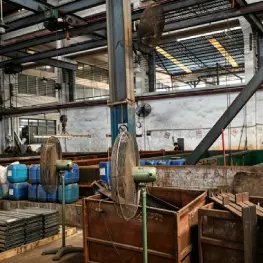
Pickling & Phosphating
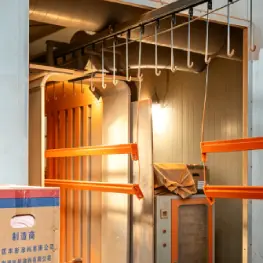
Electrostatic Powder Coating
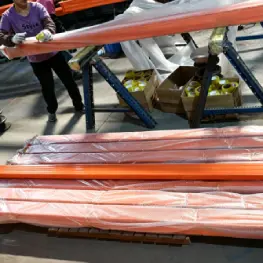
QC Load Test & Seaworthy Pack
Why Logistics Leaders Partner With Guangzhou Heda Shelves
Operating directly from Guangzhou, China since 2001, we deliver complete engineering accountability from single container replenishments to high-density 50,000-pallet fulfillment center fit-outs worldwide.
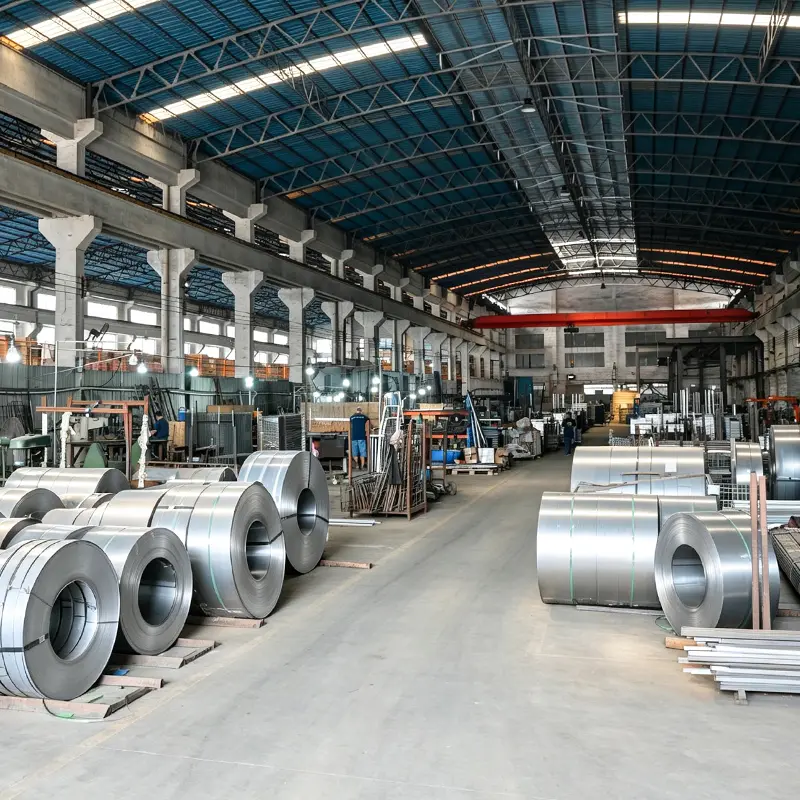
25+ Years Industrial Mastery
Founded in 2001, our engineering team has accumulated over two decades of metallurgical research and structural racking fabrication, serving top-tier international logistics and warehousing contractors across 120+ nations.
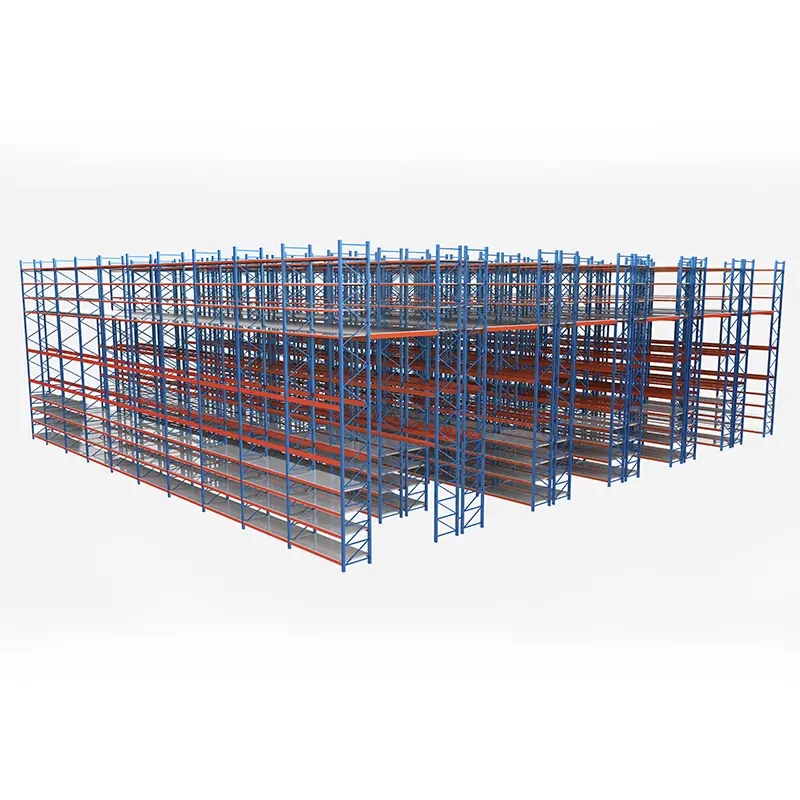
Bespoke 3D & FEA Design
Our in-house structural engineers evaluate your exact beam profiles, bay widths, and pallet weight matrices to supply CAD layout drawings, 3D digital renderings, and Finite Element structural calculations prior to production sign-off.
Internationally Audited Quality
Our factory maintains official CE Certification (No. 2435-CPR-8605159), ISO 9001:2015 (No. 18624Q00169R0M), and RoHS adherence. Every production run undergoes destructive weld shear and flexural testing.
True OEM & ODM Flexibility
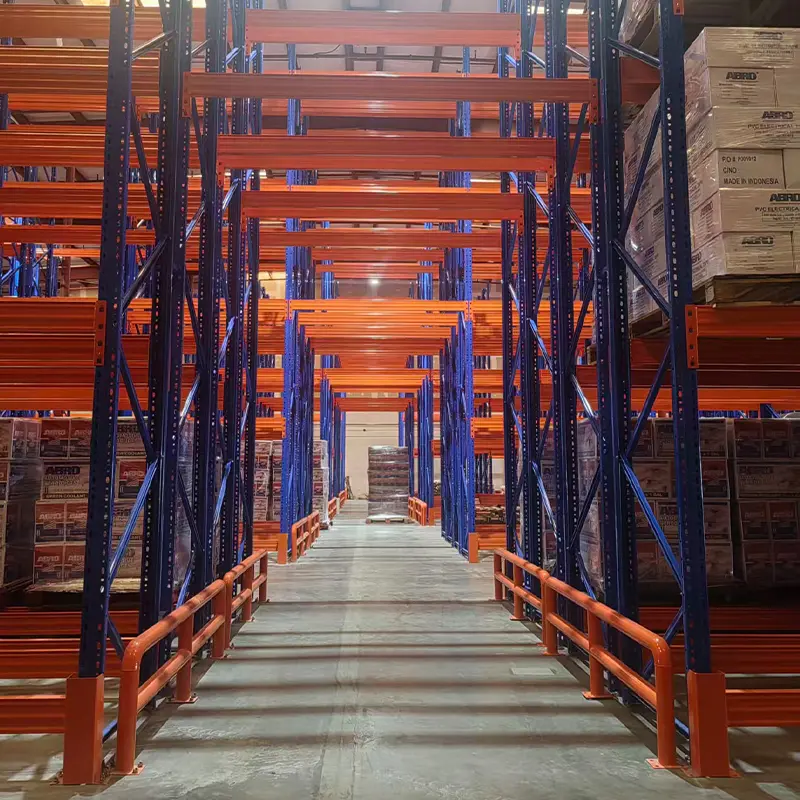
Whether you require non-standard waterfall depths, inverted flanged channels for sanitary applications, heavy bar grates for stamping die racks, or private label branding stamping, our tooling lines adapt rapidly to project requirements.
Frequently Asked Engineering & Sourcing Questions
Get answers to critical technical questions regarding pallet rack decking design, capacity ratings, regulatory compliance, and container export shipping.
What is the fundamental difference between Uniformly Distributed Load (UDL) and Point Load on wire decking?
UDL (Uniformly Distributed Load) assumes the pallet weight is distributed evenly across the entire surface of the wire deck and transferred directly to the rack step beams via the underlying cold-formed support channels. A Point Load (such as legs on a metal container or feet of an industrial skid) concentrates force onto small localized wire junctions. If your warehouse stores point-loaded containers, we must engineer heavier wire gauges (up to 6.0 mm), tightly spaced wire pitches (e.g., 25 × 50 mm), or transition to solid press-locked steel bar grating.
How does wire mesh decking improve NFPA 13 sprinkler fire safety compared to solid wood or steel panels?
Solid timber, plywood, or sheet steel creates horizontal barriers inside the racking bays that obstruct fire sprinkler discharge from reaching lower tiers during a fire. This forces ceiling sprinkler heads to operate under higher heat, increasing water demand and fire spread risk. In contrast, our wire mesh decking provides >70% open area, permitting immediate ceiling-to-floor water dispersion, rapid heat vent triggering, and zero flat surface dust accumulation, meeting stringent NFPA and FM Global standards.
When should a facility specify inverted channel decking rather than standard step channel decking?
Standard step channels form an upright "U" shape that rests inside the 1-5/8" beam recess. However, in food processing, pharmaceutical, and cleanroom environments, the open channel trough can collect dirt, spilled powders, and debris. Inverted channels flip the U-channel so the flat structural face points upward, completely eliminating dust crevices. Furthermore, inverted flare channels feature flattened wings suitable for mounting on box beams or structural C-channels lacking internal steps.
How do you optimize container loading to prevent damage and minimize overseas freight cost?
Wire mesh decking is bulky if packed haphazardly. We nest our deck panels sequentially with alternating channels, bundling them with high-tensile steel strapping into reinforced wood-pallet skids. Skids are custom-sized to fit within the internal width (2.35 m) and door height of standard 40-foot High Cube (40HQ) maritime shipping containers. This achieves over 95% cubic container utilization, preventing transit shifting and dramatically lowering shipping freight per pallet position.
Which surface coating should be specified for humid tropical climates or coastal ports?
For humid tropical climates, unconditioned port warehouses, or outdoor yards, standard indoor electro-galvanizing (8–12 μm) is insufficient. We recommend either our Automated Multi-Stage Pretreatment + Electrostatic Polyester Powder Coating (yielding an impact-resistant, non-porous 70–90 μm dry film) or Hot-Dipped Galvanization (HDG per ISO 1461), which metallurgically bonds a thick 65–85 μm zinc layer to eliminate edge corrosion and withstand over 700 hours of continuous salt-fog testing.
Can Heda Shelves manufacture customized wire decks for non-standard rack beams?
Yes. As a primary OEM/ODM manufacturer, our CNC automated wire mesh welding grids and hydraulic press brakes accommodate custom beam lengths (e.g., 2300 mm, 2700 mm, 3300 mm, 3600 mm), non-standard beam depths (from 600 mm up to 1500 mm), flush-fit drops, inside-waterfall flanges, and variable channel gauges (1.5 mm to 2.5 mm thickness). You provide the beam profile and loading matrix, and our engineering department generates approval drawings within 24 hours.
Request a Precision Decking Quotation & Load Calculation
Share your warehouse rack specifications with our senior structural engineers. We provide CAD engineering drawings, finite element load stress simulations, and sea-freight container breakdown reports within 24 hours.