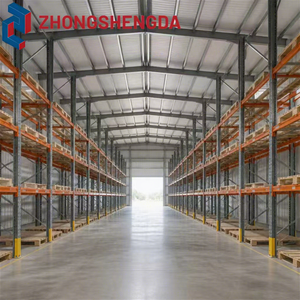
High Bay Galvanized Steel Structure Workshop Warehouse Interior Multi Tier Pallet Racking Central Aisle Prefab 3PL Fulfillment
Direct factory procurement of heavy-duty pallet handling frameworks, push-back setups, radio shuttle platforms, and multi-tier structural installations.
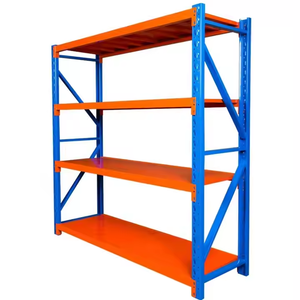
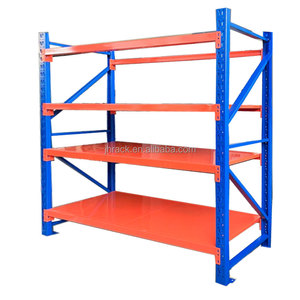
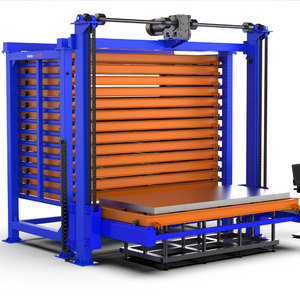
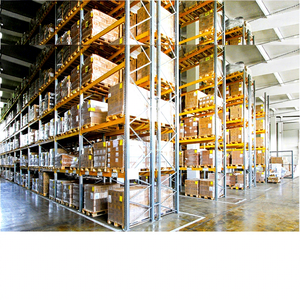
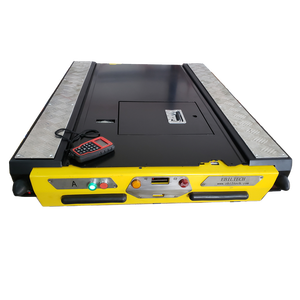
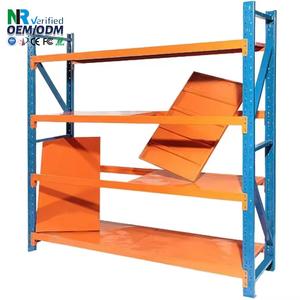
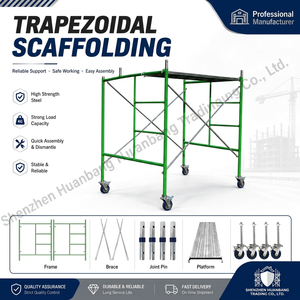
A proven, vertically integrated industrial racking footprint designed to support global supply chains, cold storage facilities, and high-density distribution centers.
From prime cold-rolled steel coils to automated precision roll forming, continuous punching, robotic welding, and electrostatic powder coating lines. We eliminate intermediary markups and maintain end-to-end structural traceability.
HEDA structures conform stringently to international storage codes. All products carry verified CE certification (No. 2435-CPR-8605159), ISO 9001:2015 quality management (No. 18624Q00169R0M), and full RoHS compliance.
Our structural team delivers free architectural CAD layouts, static load simulations, and photo-realistic 3D plant renderings within 24 hours. Each bay is balanced to forklift turning radii and ceiling clear-height requirements.
Export-ready nesting protocols pack structural rails, inclined tracks, and nested cart modules securely inside 20GP and 40HQ maritime containers, maximizing volumetric efficiency and mitigating transit distortion.
Push back pallet racking represents one of the most efficient mechanical dynamic accumulation systems available, offering 2 to 6 deep pallet storage without requiring forklifts to enter the racking structure.
Push back systems utilize a series of nested rolling steel carts moving along inclined structural channel rails (typically graded at 2.5% to 3.5%). The first pallet is placed on the top cart by a forklift. When the second pallet is introduced, the forklift operator pushes back the first pallet, exposing the second cart beneath. This nested cascade accommodates up to 6 pallets deep on a single lane, reducing vertical profile loss compared to continuous roller lanes.
Push back operates on a Last-In, First-Out (LIFO) inventory rhythm. By consolidating multiple pallet depths into a single access aisle, warehouse floor space utilization increases by up to 75% compared to standard selective racking. Unlike Drive-In racking, forklift drivers never enter the rack interior, reducing upright collision hazards, structural beam damage, and equipment cycle times by roughly 40%.
Unlike automated storage and retrieval systems (ASRS) or electrified shuttle systems, push back racking functions purely on gravity and forklift thrust. In industrial operating regions where electrical grids suffer from brownouts or high tariff rates, push back ensures continuous 24/7 logistical operation without motors, sensors, backup generators, or high-maintenance battery exchanges.
| Storage System Type | Space Density | Aisle Access | Stock Flow | Forklift Damage Risk | Maintenance Overhead |
|---|---|---|---|---|---|
| Push Back Racking | High (2-6 Deep) | Single Face (Consolidated) | LIFO | Minimal (Exterior Only) | Low (Pure Mechanical) |
| Standard Selective | Low (1 Deep) | Dedicated Every Row | FIFO / LIFO | Moderate | Minimal |
| Drive-In Racking | Very High (4-10 Deep) | Drive-Thru Lane | LIFO | High (Inside Tunnel) | Moderate (Structural Repairs) |
| Gravity Pallet Flow | High (Up to 15 Deep) | Separate Infeed & Pick | FIFO | Low | Moderate (Brake Rollers) |
| Radio Pallet Shuttle | Maximum (10-30 Deep) | Single or Dual Face | FIFO / LIFO | Extremely Low | High (Batteries, Electronics) |
Industrial logistics directors, 3PL providers, and FMCG cold chain planners are actively adapting storage procurement strategies in response to escalating land costs and labor volatility.
Modern procurement contracts increasingly stipulate high-tensile Chinese Q235B and Q355B cold-rolled steel grades. Optimized beam roll-forming profiles deliver equivalent flexural modulus and column buckling resistance with thinner structural gauges. This reduces global steel raw consumption, freight tonnage charges, and maritime shipping tariffs without compromising certified working load safety limits (SF 1.5–1.65).
With massive worldwide investments in pharmaceutical distribution and frozen grocery logistics, push-back mechanisms are subjected to high thermal shock and sub-zero condensation. Procurement standards have migrated toward pre-treatment phosphating combined with heavy-micron epoxy electrostatic powder coatings (60–90µm) or full hot-dip galvanizing for cart wheel bearings and guide rails to ensure decades of rust-free cart tracking.
While robotics and ASRS automate standard inventory hubs, enterprise operators designate buffer staging areas with heavy-duty push-back racking. This hybrid architecture guards supply chains against total operational paralysis during software bugs, telecommunication disruptions, or battery maintenance periods, offering maximum static resilience and rapid pallet turnaround.
Comprehensive engineering and logistical clarifications for structural buyers, supply chain consultants, and facility managers importing from China.
Consult directly with HEDA senior racking engineers. Receive structural layout drawings, dynamic lane calculations, and factory-direct pricing tailored precisely to your operational criteria.
Inquire Now