High-Density Storage & Industrial Roller Racking Systems
Engineered for seamless pallet flow, maximum volumetric cubic utilization, and rigorous mechanical handling across international distribution hubs.
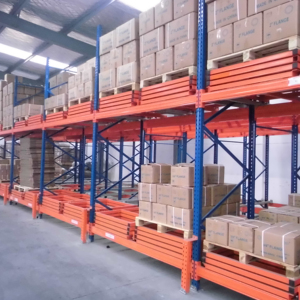
High Effective Heavy Duty Warehouse Storage Racking Push Back Pallet Rack
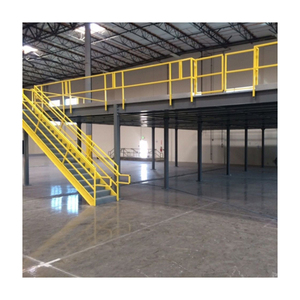
150 Square Meter Customized Attic Industrial Storage Pallet Racking 2 Floors Mezzanine Shelving Rack System Steel Platform
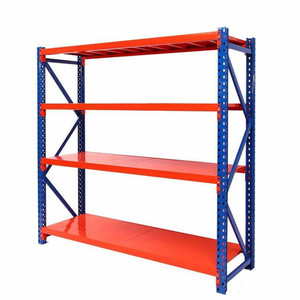
Custom Heavy-Duty Metal Rack Storage Shelf High Quality Iron Warehouse Racking Cargo Storage Equipment Customized Heavy-Duty
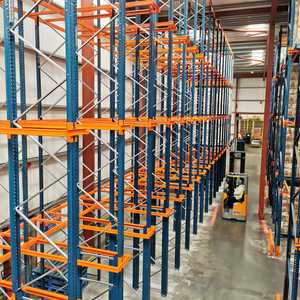
Industrial Metal Warehouse Racking System Drive Pallet Storage Drive-In Pallet Rack Shelves for Industrial
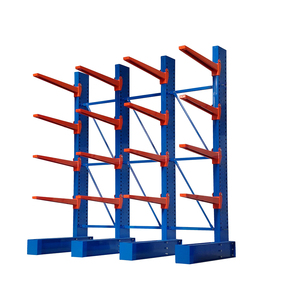
Industry Warehouse Steel Structural Pipe Rack Cantilever Rack for Pipe / Lumber Storage
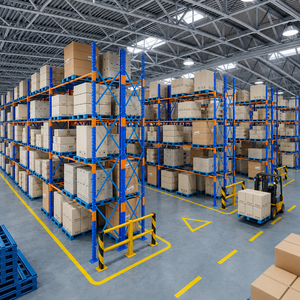
High Density Steel Storage Rack 2000kg Load Maximize Space Selective Pallet Racking Free 3D Design Service
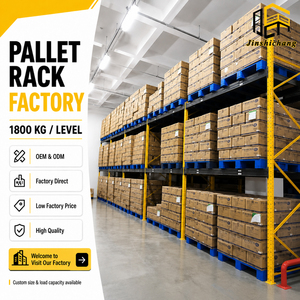
3000KG Heavy Duty Pallet Rack Warehouse Storage Shelves Units Powder Coating Steel Racking System
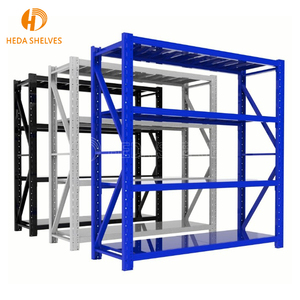
Wholesale Heavy-Duty Industrial Shelves Steel Multi-Layer Thickened Medium-Duty Rack for Warehouse Storage Light-Duty
Engineering Principles of Industrial Roller Racking Systems
Industrial roller racking systems—widely recognized within modern intralogistics as gravity flow racks, pallet dynamic flow lanes, and live carton roller beds—represent the zenith of energy-neutral, high-density warehouse storage. Unlike static selective pallet racking that necessitates expansive forklift operating aisles for every individual pallet bay, roller racking leverages the physical forces of gravity and precisely engineered mechanical roller tracks to channel pallets along an inclined gradient from the loading face (charging end) directly to the unloading face (discharging end). This autonomous movement creates a pristine First-In, First-Out (FIFO) or Last-In, First-Out (LIFO) material replenishment cycle without demanding continual electric conveyor power.
At Guangzhou Heda Shelves Co., Ltd., our engineering division fabricates roller bed assemblies and racking upright profiles that resolve the inherent mechanical challenges of dynamic warehousing: frictional resistance variability, pallet wood deflection, acceleration velocity dampening, and entry/exit structural collisions. Through cold-formed high-tensile steel channels coupled with steel roller beds, our installations ensure structural longevity even under continuous multi-shift operations handling palletized payloads from 500 kg up to 2,000 kg per lane position.
Pitch Gradient Engineering
Precise track decline calibration between 1.5° and 3.5° (2.5% to 4% slope) tuned to pallet base composition, runner direction, and aggregate gross load, guaranteeing steady rolling velocity without manual operator intervention.
Brake Roller Dampening
Strategically placed centrifugal speed controller brake rollers positioned at exact intervals across the lane depth, limiting terminal pallet velocity to safe impact limits (< 0.3 m/s) to prevent cargo shifting.
Pallet Separator Locks
Mechanical safety disconnect levers located at the picking face that physically isolate the lead pallet from upstream line pressure, allowing forklift tines to cleanly extract pallets without pinching or friction drag.
Kinematic Comparison of Warehouse Storage Architectures
Warehouse planners must evaluate spatial density against SKU velocity and capital expenditure. The matrix below benchmarks industrial dynamic roller racking against conventional and automated storage configurations.
| Racking Architecture | Flow Discipline | Volumetric Storage Efficiency | Picking Speed / Velocity | Grid Power Dependency | CapEx / Pallet Bay |
|---|---|---|---|---|---|
| Gravity Pallet Flow (Roller Racking) | FIFO (First-In, First-Out) | Up to 85% Utilization | Fast (Dedicated Pick Face) | Zero (Pure Gravity Mechanics) | Moderate–High |
| Push-Back Roller / Cart Racking | LIFO (Last-In, First-Out) | Up to 75% Utilization | Moderate | Zero (Forklift Push Thrust) | Moderate |
| Radio Shuttle Automation Racking | FIFO / LIFO Hybrid | Up to 90% Utilization | Moderate (Shuttle cycle bound) | Rechargeable Batteries Required | High |
| Drive-In Pallet Racking | LIFO Strict | Up to 70% Utilization | Slow (Forklift enters rack channel) | Zero | Low–Moderate |
| Standard Selective Pallet Racking | Random 100% Access | 35% – 45% (Aisle Bound) | Fast per single pallet fetch | Zero | Low |
Global Procurement Trends in Warehouse Roller & Flow Systems
How international logistics operators, automated fulfillment hubs, and regional supply networks are evolving their procurement criteria for heavy storage systems.
Zero-Energy Decarbonization Mandates
With industrial electrical tariffs escalating across North America, Europe, and emerging production zones, enterprise logistics operators are transitioning away from powered live roller conveyors toward passive gravity flow roller systems. Gravity beds require zero electricity, generating no operating carbon footprint while maintaining 24/7 continuous replenishment velocity.
Integration with Autonomous Mobile Robots (AMR)
Modern roller racking configurations are increasingly engineered to interface directly with autonomous tuggers, counterbalanced AGVs, and robotic picking arms. Precision roller discharging terminals now integrate magnetic dock sensors and physical end-stop aligners that guarantee repeatable pallet position tolerances within ±3 mm for robotic gripping.
Ultra-High Yield Structural Metallurgy
Global procurement teams now specify Q355B and high-yield cold-rolled microalloy steel over conventional commercial grades. This shift reduces deadweight shipping tonnage, optimizes sea freight container packing density, and provides elevated dynamic deflection resistance under rigorous seismic loading criteria.
Extreme Environmental Surface Treatments
Coastal and tropical warehousing hubs demand anti-corrosive finishes capable of withstanding extreme humidity and saline environments. Sourcing specifications have shifted from basic liquid dip paints toward automated multi-stage pickling, zinc phosphating, and electrostatically fused epoxy-polyester thermoset powders rated for 500+ salt-spray test hours.
Modular Containerization & Knock-Down Assemblies
With volatile maritime container shipping indices, international warehouse equipment buyers prioritize boltless, knock-down modular components. Uprights, support brackets, and pre-assembled roller track beds are configured to nest tightly within standard 40-foot High Cube (40HQ) ocean containers, minimizing cubic wasted freight space.
TCO-Driven Lifecycle Engineering
Purchasing managers are evaluating Total Cost of Ownership (TCO) beyond initial procurement quotes. Low-maintenance shielded roller ball bearings, impact-resistant beam entrance shoes, and toolless pitch adjustment pins deliver a sub-3-year operational payback through reduced maintenance callouts and forklift repair savings.
Why Tier-1 Importers Source from HEDA Shelves
Headquartered in Guangzhou, China, Guangzhou Heda Shelves Co., Ltd. operates a vertically integrated 30,000 square meter intelligent manufacturing facility producing over 30,000 metric tons of precision warehouse racking per month. For 25 years, our engineering teams have bridged the gap between OEM precision metal fabrication and complex international structural compliance.
Automated Roll Forming
Continuous computerized cold-bending lines ensure upright post profile dimensional accuracy within ±0.2mm, preserving structural load integrity across multi-tier upright heights.
Submerged Arc Robotic Welding
Robotic multi-axis welding stations bond beam end connectors and heavy baseplates with full-penetration structural welds, verified by ultrasonic non-destructive testing.
Phosphating Pretreatment
An exhaustive 9-stage degreasing, pickling, rinsing, and zinc phosphating immersion process provides impenetrable bonding for our automated electrostatic powder coaters.
Free 3D Layout & FEA
Experienced storage systems engineers create full warehouse CAD layouts, 3D renderings, and Finite Element Analysis (FEA) structural calculations within 24 hours of inquiry.
10-Stage Precision Manufacturing Lifecycle
How raw certified steel coil is engineered, stamped, bonded, and coated into high-load certified industrial racking at our Guangzhou facility.
Steel Coil Inspection
Certified Q235B & Q355B mill test certifications checked for tensile limits and chemistry.
Precision Slitting
High-speed uncoiling and laser/mechanical shear slitting to strict width tolerances.
CNC Column Punching
Continuous multi-punch stations forming precise 50mm, 75mm, or 76.2mm teardrop pitch holes.
Cold Profile Roll Forming
Multi-stand roller forming shaping omega uprights and box beams with zero structural micro-cracking.
Cut-To-Length Sizing
High-speed automated circular flying saws delivering straight cuts within ±1.0mm lengths.
Surface Deburring
Vibratory deburring and mechanical polishing ensuring smooth beam connectors and safe worker handling.
Robotic Arc Welding
Automated MIG welding fixtures for beam claws, heavy base plates, and roller support brackets.
Pickling & Phosphating
Chemical immersion baths eliminating all surface mill scale, grease, and rust oxide films.
Powder Coating & Cure
Automated electrostatic spray guns applying 60–80μm epoxy powder cured at 200°C for wear protection.
QC & Ocean Bundling
Micrometer dimension audits, load deflection testing, knock-down timber pallet wrapping for export.
Optimizing Dynamic Racking Across Critical Industries
Tailored structural configurations designed to resolve industry-specific supply chain friction and inventory throughput challenges.
Food, Beverage & FMCG
Strict FIFO expiry-date governance. Gravity roller lanes guarantee that inventory batches entering first flow continuously to the pick face, eradicating dead stock write-downs for dairy, brewery, and canned food processors.
Cold Storage & Blast Freezing
Refrigerated warehouse space costs up to 5x standard dry warehousing. High-density roller beds compress cubic space requirements by over 60%, incorporating low-temperature lubricants operational to -30°C.
Automotive Components & Assembly
Kanban delivery systems demand instantaneous lineside carton and pallet staging. Dual-tier carton flow roller shelves combined with heavy pallet live lanes optimize assembly component flow for automotive Tier-1 plants.
Third-Party Logistics (3PL)
Multi-client distribution hubs handling varying pallet footprints benefit from our multi-wheel universal roller beds, accommodating Euro pallets (800x1200mm), ISO standard pallets (1000x1200mm), and custom runner boards.
Pharmaceuticals & Life Sciences
Cleanroom-compatible epoxy powder coating finishes, galvanized steel rollers with sealed precision bearings, and full lot-traceable installation layouts compliant with rigorous cGMP clean warehouse audit frameworks.
Chemical & Industrial Consumables
Reinforced beam profiles, integrated heavy-gauge wire mesh drop-containment shelves, and chemical-resistant powder finishes engineered for safely staging drum pallets, intermediate bulk containers (IBCs), and hazmat raw stock.
Frequently Asked Questions on Roller Racking Sourcing
Comprehensive engineering clarity on load ratings, slope dynamics, installation parameters, and overseas container shipping.
How do engineers calculate the precise slope gradient for roller racking lanes?
What stops pallets from accelerating dangerously in long roller lanes?
What quality certifications and structural standards does Guangzhou HEDA Shelves adhere to?
Can HEDA Shelves roller systems operate inside blast freezers and cold storage environments?
How are oversized upright frames and roller beds packed for international ocean freight?
What warehouse project information is required to receive a free CAD layout and price quote?
Transform Your Warehouse Throughput With Engineered Roller Racking
Submit your facility dimensions and pallet specifications today. Our senior structural engineers deliver a comprehensive 2D CAD layout, 3D visualization, and structural load analysis within 24 hours.