Industry Whitepaper & Strategic Sourcing
Evaluating the World's Top 10 Heavy Pallet Racking Factories: A Procurement Executive's Benchmark
In today's interconnected global supply chains, warehouse storage systems are no longer treated as passive metal shelving; they represent the structural backbone of physical distribution, automated fulfillment, and enterprise risk management. Specifying heavy pallet racking requires balancing complex engineering parameters: structural yield limits, seismic horizontal acceleration, slab deflection thresholds, corrosion passivation in aggressive climates, and total landed cost (TLC).
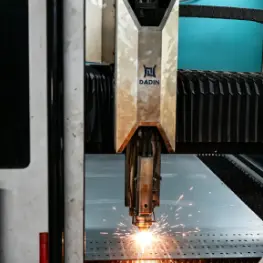
Key Engineering Takeaway: According to EN 15512 and RMI MH16.1 specifications, structural pallet racking safety factors must maintain a minimum 1.5 to 1.67 structural safety factor under full allowable load. The difference between premium tier-1 manufacturers and substandard copycats lies in raw steel grade traceability, automated cold-forming roll precision, and certified weld penetrations.
1. The Global Manufacturing Matrix: Top 10 Factory Archetypes
The global market for industrial pallet racking is characterized by distinct manufacturing clusters, each catering to specific operational scopes, automation tolerances, and budget models. When evaluating the Top 10 Heavy Pallet Racking Factory & Suppliers, enterprise procurement teams classify providers into three dominant industrial categories:
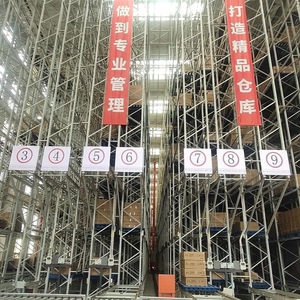
- Western European Precision Automation Specialists: Highly focused on multi-tier ASRS clad-rack buildings and European FEM/EN standards. While technologically sophisticated, their capital expenditure requirements and long 20-30 week production windows frequently exceed budget thresholds for standard regional warehousing.
- North American Roll-Formers: Predominantly focused on proprietary teardrop configurations engineered to American RMI standards. While robust, their ocean logistics packaging and higher raw material costs make transatlantic or transpacific deployment economically inefficient.
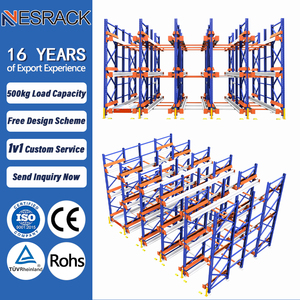
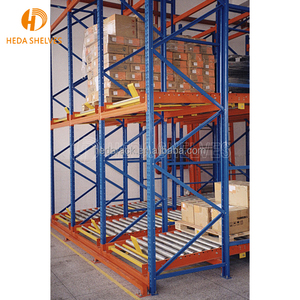
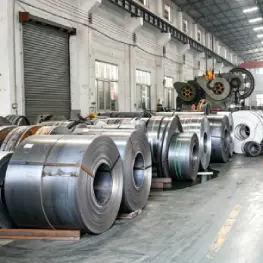
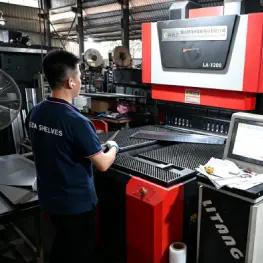
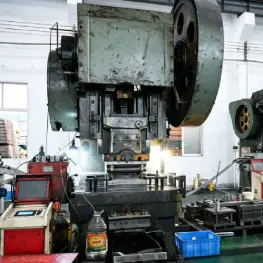
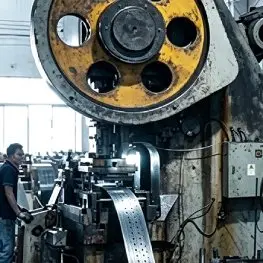
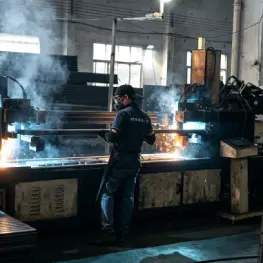
- Tier-1 Direct Chinese Industrial Powerhouses (e.g., Guangzhou Heda Shelves): Combining massive vertical integration, localized raw coil purchasing power, certified automated cold-forming lines, and strict export-oriented flat-pack shipping. These factories deliver the highest Information Gain and financial ROI, meeting international CE/ISO standards at directly competitive factory gates.
| Evaluation Parameter |
Tier-1 Direct Factories (e.g., HEDA Shelves) |
Regional Trading Intermediaries |
Local Steel Workshops |
| Raw Material Integrity |
Prime Mill Q235B / Q355B with Full MTR Certificates |
Mixed sourcing, inconsistent batch metallurgy |
Uncertified secondary scrap or re-rolled coils |
| Structural Design Standard |
CE (EN 15512) & ISO 9001:2015 |
Varies depending on sub-contractor |
Non-standardized empirical estimations |
| Surface Protection |
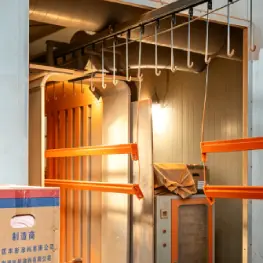
10-Stage Pickling, Phosphating & Powder Coating |
Standard solvent wipe with generic powder coat |
Manual spray paint (susceptible to rapid rust) |
| Pre-Engineering Turnaround |
Free CAD & 3D Design in 24 Hours |
3-7 Business Days (Dependent on 3rd parties) |
No structural simulation capability |
| Container Packaging Optimization |
Knock-Down Nesting (>95% Cube Fill Ratio) |
Generic bundled crating (Excess air volume) |
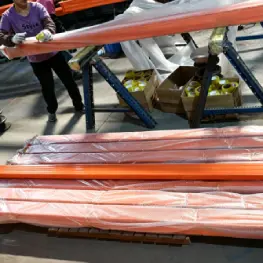
Loose loading (High transit damage risk) |
| Monthly Manufacturing Output |
30,000+ Metric Tons / Month |
Zero internal production capacity |
Under 500 Metric Tons / Month |
2. Future Procurement Trends in Industrial Storage (2026–2035)
The warehouse storage procurement paradigm is experiencing rapid technological evolution driven by changing trade realities, supply chain relocations, and rising floor space real estate costs:
- Convergence of Conventional Racking and Autonomous Mobile Robots (AMRs): Warehouses are transitioning from purely static aisle layouts to hybrid modular topologies. Floor levels are re-engineered to clear autonomous tuggers, while higher tiers support heavy bulk pallet staging.
- Demanding Anti-Corrosive Coatings for Extreme Climates: Industrial operations in high-humidity tropical ports (e.g., Lagos, Mombasa, Tema) or chemical storage sites increasingly mandate chemical pickling and phosphating pretreatment rather than simple abrasive sandblasting to avoid internal tubular rust under powder films.
- Container-Centric Modular Engineering: With sea freight volatility, global buyers prioritize structural designs engineered specifically around 40HQ container interior dimensions (lengths designed to 2.7m or 3.9m to eliminate broken cube losses during shipping).
- Zero-Carbon Structural Steel & Sustainable Powder Coating: Environmental compliance standards are pushing multinational corporations to track embodied carbon metrics in structural steel racks, demanding low-VOC electrostatic powder curing systems.
3. Technological Evolution: Cold-Formed Section Geometry and FEA Simulation
Modern heavy-duty pallet racking has shifted from over-dimensioned, heavy structural channel steel to ultra-optimized, high-tensile cold-formed omega and multi-flanged upright profiles. Through computer-aided Finite Element Analysis (FEA), engineers design profiles that resist torsional buckling and local web crippling while reducing dead steel weight.
The beam-to-column connector is the critical node of any pallet rack frame. Multi-prong claw connectors featuring cold-pressed wedging action achieve mechanical locking without loose bolts. When paired with high-shear safety pins, these connections distribute rotational moments evenly into the upright column, delivering seismic stability across high-bay installations.