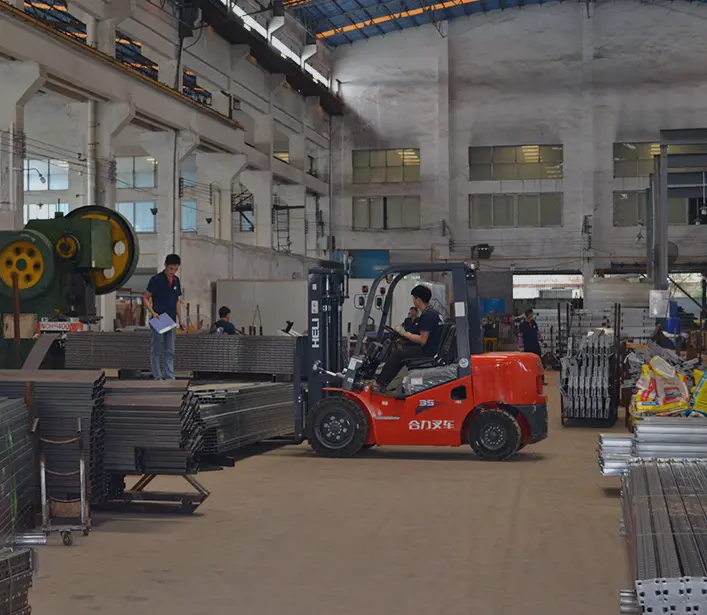
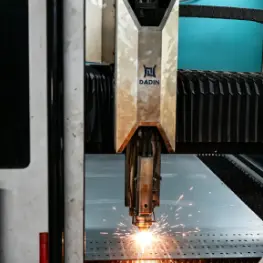
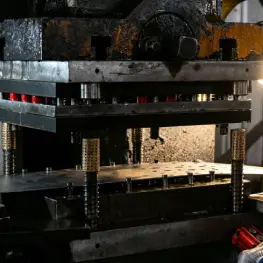
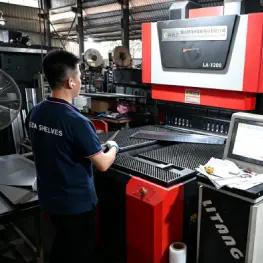
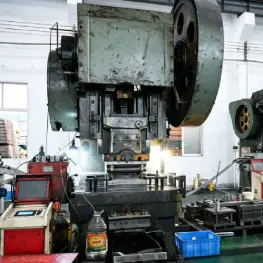
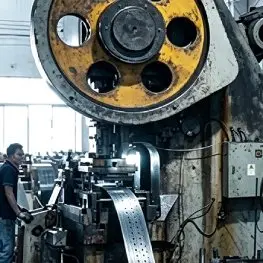
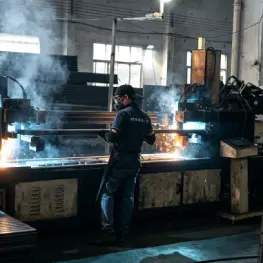
Modern distribution centers, manufacturing consolidation nodes, and cold-chain infrastructure require industrial rack storage systems engineered far beyond fundamental static load thresholds. With land acquisition prices escalating across primary logistics corridors and operational labor expenses rising, industrial warehouse racking has evolved into an integrated structural asset. The global search for reliable industrial rack storage systems manufacturers demands an evidence-based assessment of material yield strengths, certified automated roll-forming methodologies, seismic resistance engineering, and advanced anti-corrosion chemical treatments capable of withstanding aggressive regional climates.
"Procurement directors must look beyond ex-factory purchase costs. True optimization in structural storage systems is measured through structural lifespan, freight volumetric packing density, boltless beam adaptability, and interchangeability with emerging automation frameworks like AGVs and Autonomous Mobile Robots (AMRs)."
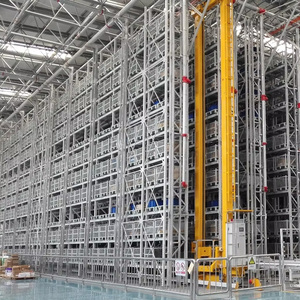
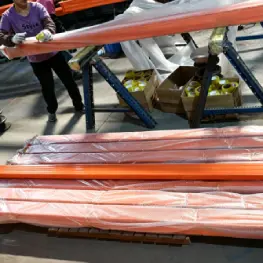
Whether configuring high-throughput multi-tier mezzanines in emerging logistics hubs or deploying automated storage and retrieval systems (ASRS) in high-density cold rooms, identifying verified OEM/ODM export manufacturers guarantees certified steel traceability, adherence to EN 15512 and RMI standards, and turn-key engineering support from structural CAD design through containerized maritime shipment.
As global supply chains navigate macroeconomic shifts and volatile raw material indexes, procurement strategies for industrial storage equipment are undergoing significant structural transformation. Institutional logistics developers, third-party logistics (3PL) conglomerates, and transnational distribution networks are prioritizing five key procurement parameters:
1. Nearshoring & Local Node Buffering
Global manufacturing reshoring initiatives require distributed buffer nodes rather than monolithic central warehouses. Shorter project turnaround times require exporters with modular, in-stock component libraries and automated container packing systems.
2. Sustainability & Green Steel Mandates
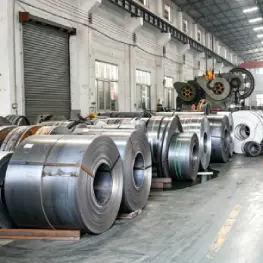
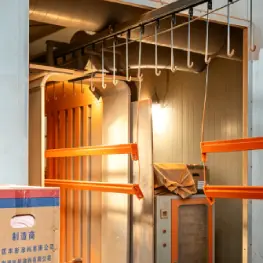
International environmental benchmarks increasingly demand low-VOC electrostatic powder coatings and recyclable hot-rolled structural coils (SS400 / Q235B / Q355B). Buyers seek closed-loop pretreatment manufacturing that meets rigorous RoHS and REACH directives.
3. Digital Twin & Sensorized Racks
Modern procurement incorporates IoT deflection sensors and vibration monitors directly embedded inside upright column frames. Enterprise buyers actively choose rack manufacturers whose structural profiles natively support retrofitted track monitoring and safety telematics.
The industrial storage industry has reached an inflection point where static structural steel converges with automated material handling (AMH). Key technological vectors shaping the next decade include:
Ultra-High Verticality
Cold-formed roll lines capable of producing continuous upright columns exceeding 24 meters without splicing, radically maximizing volume per square meter of concrete footprint.
High-Tensile Thin-Walling
Advanced Finite Element Analysis (FEA) allows optimized cold-formed steel sections with micro-alloyed structural chemistry, shedding overall weight while maintaining identical yield moments.
Hybrid Robotic Interfaces
Standardized beam punchings accommodate optical calibration reflectors and QR floor targets essential for LiDAR-guided Autonomous Mobile Robots (AMRs) operating without forklift guidance channels.
Sub-Zero Cryogenic Alloys
Cold chain facilities require structural steels that resist brittle transition down to -30°C. Controlled manganese-alloy profiles prevent micro-cracking caused by cyclic thermal contraction.